



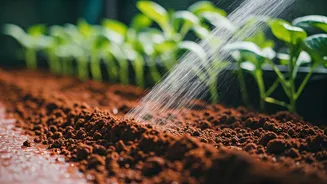


Why Turmeric Thrives in the Rain
While tomatoes split and squash succumbs to mildew in overly wet, humid weather, turmeric (Curcuma longa) is in its element. Native to the tropical forests of Southeast Asia, this plant is genetically programmed to flourish during rainy seasons. For U.S.
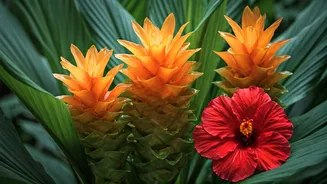
gardeners, especially in the humid Southeast, Midwest, or any region with a summer prone to downpours, this is a game-changer. Instead of fighting the weather, you can plant something that embraces it. Turmeric loves consistent moisture, warm soil, and high humidity. Its broad, lush leaves, which can grow up to three feet tall, not only look stunningly tropical but also soak up the summer sun, converting that energy into the precious, nutrient-dense rhizomes growing underground.
Getting Started: Sourcing Your Rhizomes
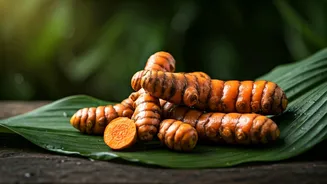
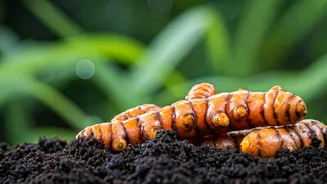
You don’t need to order special seeds from a far-off catalog. Your journey can start right in the produce aisle. Look for fresh, organic turmeric root at a grocery store or farmers' market. Choose rhizomes that are firm and plump, not shriveled or soft. The key is to find pieces with several small bumps or buds, often called “eyes,” similar to those on a potato. These are the growing points from which new shoots will emerge. If you can’t find any at the store, many online garden suppliers sell certified seed rhizomes. It’s best to avoid non-organic turmeric, as it may have been treated with a growth inhibitor to prevent sprouting on the shelf.
Planting for a Golden Harvest
Turmeric is surprisingly easy to plant. You can grow it in a large pot (at least 5 gallons) or directly in a garden bed. The main requirement is well-draining soil; while it loves water, it doesn’t want to sit in a stagnant puddle, which can cause the rhizomes to rot. Amend your soil with plenty of compost or organic matter to create a rich, loose texture. Plant your rhizome pieces about two inches deep, with the buds facing up. If you’re planting multiple pieces, space them about 12-18 inches apart to give their impressive foliage room to spread. A warm, sunny spot that gets at least six hours of light is ideal, though in brutally hot climates, some afternoon shade is welcome. Water it well after planting to settle the soil.
Rainy Season Care and Maintenance
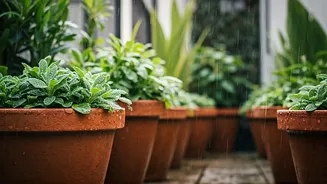
This is where the fun begins. During a rainy summer, your main job is to simply watch it grow. The frequent rainfall will likely take care of most of your watering duties. If you hit a dry spell, just make sure the soil remains consistently moist but not waterlogged. Turmeric is a heavy feeder, so applying a balanced liquid fertilizer every few weeks during its active growing season (late spring through summer) will encourage robust growth. The plant’s large leaves create a dense canopy that naturally suppresses weeds, making it a wonderfully low-maintenance addition to your garden.
The Rewarding Harvest
Patience is key. Turmeric takes about 8 to 10 months to mature. You’ll know it’s harvest time when the leaves and stems begin to turn yellow and dry out. This usually happens in the fall as the weather cools. At this point, you can stop watering. To harvest, carefully dig up the entire plant with a garden fork. Shake off the excess soil, and you’ll find a large cluster of rhizomes—the main “mother” rhizome you planted, now surrounded by numerous “fingers.” This is the most satisfying moment: breaking off a piece and revealing the brilliant, almost fluorescent orange interior and its earthy, pungent aroma.
Putting Your Fresh Turmeric to Use
Once harvested, your turmeric is ready for action. Wash the rhizomes thoroughly and store them in the refrigerator for a few weeks or in the freezer for months. Unlike the dried powder, fresh turmeric has a brighter, more complex flavor. You can grate it into curries, soups, and rice dishes. Blend a small piece into your morning smoothie for an anti-inflammatory boost. A few thin slices in hot water with lemon and honey makes a soothing, delicious tea. Creating your own “golden milk” latte with freshly grated turmeric is a world away from the powdered version. The possibilities are endless, and the connection from a soggy patch of soil to a warm, healing drink is what makes it so incredibly useful and fun.