





So, Exactly What Changed?
Imagine trying to film a quick TikTok dance at LAX and getting flagged by someone who isn't just security, but an agent of the FAA. That’s the vibe in India right now. The Directorate General of Civil Aviation (DGCA), India’s equivalent of the Federal
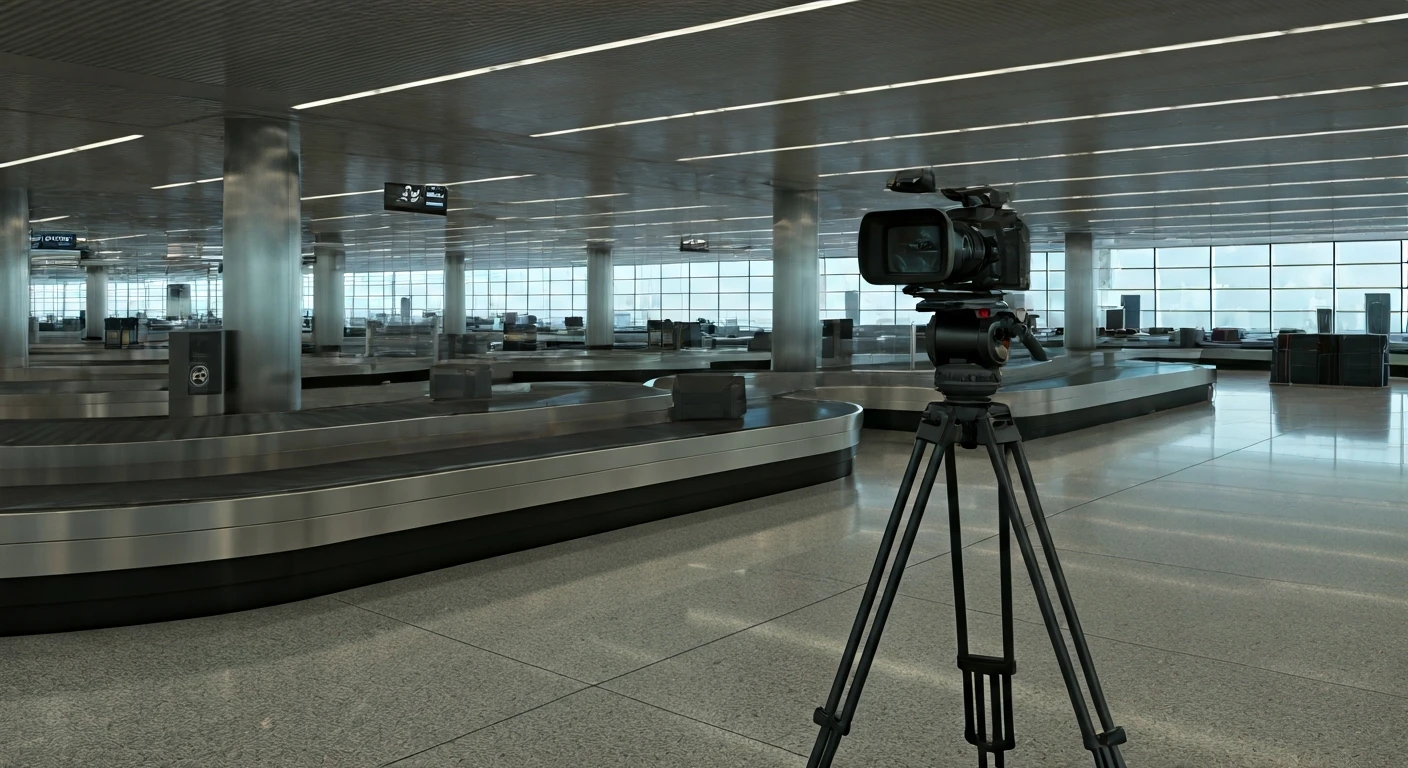
Aviation Administration, issued a circular clarifying its stance on filming inside airports and aircraft. The rules essentially state that no one can engage in photography or videography for commercial purposes or in a way that causes disruption without explicit permission from the airport operator or airline. While rules against commercial shoots have always existed, this new advisory specifically targets the kind of casual, often viral content that has become a staple of influencer culture. The days of treating the boarding gate like a personal film set for a sponsored post are, for now, over.
Why the Sudden Crackdown?
This wasn't a random bureaucratic whim. The DGCA’s move was a direct response to a growing number of incidents where content creation crossed the line from harmless fun to a genuine nuisance—and potential safety risk. Airlines and airport authorities had been lodging complaints about influencers and vloggers causing chaos. Picture this: a creator staging an elaborate photo shoot that blocks a passenger corridor, or another filming a dance routine on the tarmac as planes are maneuvering nearby. There were reports of influencers arguing with cabin crew, attempting stunts in the aisles during taxiing, and generally treating a secure, highly regulated environment like their personal playground. The regulator decided that the risk of passenger disruption, delays, and safety breaches had become too high to ignore. The guidelines are less about killing creativity and more about re-establishing that an airport is, first and foremost, critical infrastructure.
Who Feels the Impact Most?
The primary group affected is the vast ecosystem of travel influencers, lifestyle vloggers, and aspiring creators who use airports as a dynamic backdrop. For them, the airport isn't just a place you pass through; it’s part of the story. A shot of a boarding pass, a glimpse of the lounge, or a clip of them striding toward their gate are all established tropes of modern travel content. The new guidelines force a major strategic shift. Instead of spontaneous, run-and-gun filming, creators now need to approach shoots with the professionalism of a commercial film crew. This means planning ahead, seeking official permission, and likely paying fees. This professionalizes the process, creating a barrier to entry for smaller creators while potentially giving larger, well-funded influencers with management teams an advantage. The casual, 'authentic' airport vlog might just become a thing of the past in India.
Is This a Uniquely Indian Thing?
While the DGCA’s formal advisory is specific to India, the underlying tension is global. All over the world, public and private spaces are struggling to adapt to an era where everyone has a high-definition camera in their pocket and a potential audience of millions. You've probably seen 'No Tripods' signs in museums or been told to stop filming in a high-end retail store. Many U.S. airports, while generally more lenient with personal filming, still have strict policies against anything that looks like a commercial shoot or impedes operations. What makes the Indian case noteworthy is the involvement of a national aviation regulator stepping in to draw a firm line. It signals a move away from letting individual airports or airlines manage the problem on a case-by-case basis toward a more standardized, top-down approach. It poses a question that authorities worldwide are grappling with: where does personal expression end and public disruption begin in shared spaces?