




The Science of 'Pet Smell'
That distinct “pet smell” isn’t just in your imagination. It’s a complex cocktail of airborne particles. The main culprits are pet dander (tiny flecks of skin), dried saliva, and oils from their fur that get transferred onto carpets, furniture, and floors.
When these organic compounds accumulate in a sealed environment, they create a persistent odor. Compounding the issue are accidents that seep into porous surfaces and the dirt, pollen, and other outdoor goodies your four-legged friend tracks inside. Chemical air fresheners and scented candles often just mask these odors with stronger fragrances, creating a stuffy, perfume-heavy environment without actually removing the source of the smell. True freshness comes from removing the pollutants, not covering them up.
Why Fresh Air Is the Best Purifier
Natural ventilation is the process of replacing stale, polluted indoor air with fresh outdoor air. Think of it as a complete air reset. According to the U.S. Environmental Protection Agency (EPA), ventilation is one of the most effective ways to improve indoor air quality, which is often more polluted than outdoor air. When you open windows and doors, you’re not just letting a breeze in; you’re physically flushing out the airborne dander, dust, and odor-causing particles that have been trapped inside. This process, known as air exchange, dilutes the concentration of indoor pollutants, leaving the air genuinely cleaner and smelling fresher. Unlike electronic purifiers that capture particles, ventilation removes them from the home entirely.
Mastering Cross-Ventilation
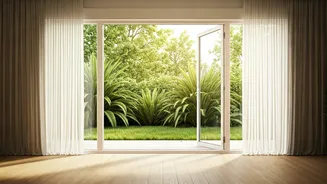
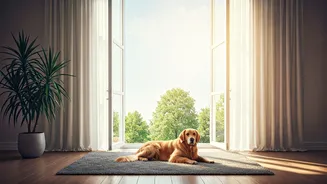
The most powerful natural ventilation technique is cross-ventilation. It’s simple, free, and incredibly effective. The goal is to create a clear pathway for air to move through your home, entering on one side and exiting on the other. To do it, open windows on opposite sides of your house or apartment. The difference in air pressure between the windward side (where the wind is hitting) and the leeward side (the sheltered side) will create a current that pulls fresh air through your living space. Even opening windows in rooms on opposite ends of a hallway can generate a significant airflow. For best results, do this for 15-30 minutes once or twice a day, especially in the morning or evening when outside air is cooler and fresher. This daily air-out routine can dramatically reduce pet odor buildup.
Strategic Airflow Without a Cross-Breeze
What if you can’t create a direct cross-breeze? You still have great options. One is the “stack effect,” which uses the principle that warm air rises. By opening a window on a lower floor and another on a higher floor (or a skylight), you encourage warm, stale air to rise and exit through the top opening, pulling cooler, fresh air in through the bottom one. This is especially effective in multi-story homes. Another simple trick is to use fans strategically. Place a box fan in a window facing outwards to actively push stale air out of a room. Then, open another window elsewhere in the home to create a vacuum effect that pulls fresh air in. This mechanical assist gives you control over the air exchange even on still, windless days.
A Healthier Home for Everyone
A fresher-smelling home is a major perk, but the benefits of natural ventilation go deeper, especially for your pet. Constantly breathing in concentrated levels of their own dander, dust, and trapped household chemicals can be just as irritating for them as it is for humans with allergies. A well-ventilated space reduces the respiratory load on everyone in the household. Clean air can lead to less irritation for pets with sensitive skin or breathing issues. By making natural ventilation a part of your daily routine—along with regular cleaning and grooming—you’re not just fighting odors. You're actively cultivating a healthier, more comfortable, and more pleasant environment for you and the furry family members you cherish.