





An Answer to Unbearable Heat
For months on end, cities like Delhi, Mumbai, and Bangalore bake under relentless, triple-digit temperatures. Recent years have seen record-shattering heat waves that make simple outdoor activities not just unpleasant, but dangerous. Unlike many American
cities, which have a robust network of public pools and community swimming clubs, India's urban centers largely lack this kind of public infrastructure. For the vast majority of the country's burgeoning middle class, a private swimming pool at home is an unimaginable luxury, reserved for the ultra-wealthy. This creates a massive, underserved market: millions of people desperate for a cool, clean, and safe place to escape the oppressive heat, even just for a few hours.
The Rise of the 'Daycation'
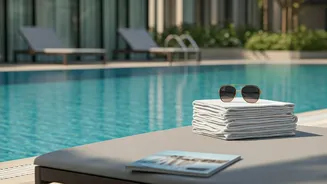
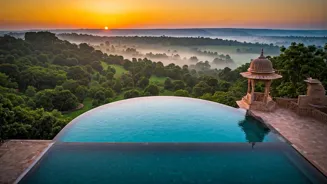
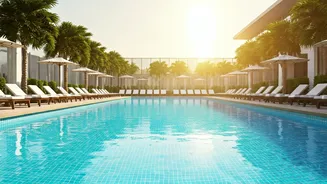
Enter the five-star hotel. Traditionally, their shimmering blue pools were exclusive amenities for overnight guests. But a savvy shift in strategy is changing that. Hotels across the country are now marketing “day-access passes,” “pool daycations,” or “day-use packages.” For a set fee, non-guests can gain access to the pool, lounge chairs, and other wellness facilities from morning until evening. It's a concept that has existed in Western markets like Miami and Las Vegas for years but has found a new, urgent purpose in India. These aren't just bare-bones swim passes. To sweeten the deal, hotels often bundle the access with other perks. A typical package might include a food and beverage credit to be used at the poolside bar, access to a changing room, and sometimes even a discount on spa services. It reframes the experience from a simple swim into an affordable mini-vacation.
A Smart Business Model
For the hospitality industry, this is more than just good public relations; it's a brilliant business move. Hotel pools are expensive assets that are often dramatically underutilized, especially on weekdays when business travelers are in meetings and occupancy rates can be lower. Day passes turn this idle inventory into a new, consistent revenue stream. It gets new customers in the door who might not otherwise afford a stay, introducing them to the brand and its services. That poolside lunch and couple of cocktails, purchased with the included credit, often lead to additional spending. In a competitive market, it allows hotels to monetize every square foot of their property while building a local following.
More Than Just a Swim
The popularity of day-access pools speaks to something deeper about modern urban India. It’s a story of aspiration. For a generation of young professionals and families, it offers a taste of the five-star lifestyle without the prohibitive cost of a weekend stay. The pool becomes a backdrop for the perfect Instagram post, a symbol of having made it. It’s a temporary escape, a few hours of curated tranquility away from the noise and chaos of the city. Friends gather for a weekend outing, couples enjoy a date, and families give their children a rare and welcome treat. In this context, the pool is not just a body of water; it’s a social space, a status symbol, and a crucial mental health break from the pressures of a rapidly modernizing society.