

The Old, Broken Food Bargain
For decades, the deal was simple: you could have taste, or you could have health, but you probably couldn't have both in the same bite. Indulgence was a cheat, a guilty pleasure reserved for weekends or special occasions, often followed by a physical
and emotional hangover. A greasy slice of pizza came with a side of bloating. A sugary pint of ice cream meant a subsequent energy crash. On the other side of the aisle, 'health food' often felt like a joyless chore. It was about restriction, calorie-counting, and foods that were virtuous on paper but bland on the palate. This framework pitted our desires against our well-being, turning every meal into a negotiation with ourselves. That entire way of thinking is becoming obsolete. We’re tired of being 'wrecked'—by sugar, by processed ingredients, by the guilt of simply enjoying what we eat.
Redefining 'Healthy' from the Inside Out
The new food philosophy isn't about subtraction; it's about addition and intelligence. The definition of 'healthy' is expanding beyond a low-calorie or low-fat label. Consumers are now looking for functional benefits. Does this food support gut health? Does it provide stable energy? Does it reduce inflammation? Will it help me feel focused, not foggy? This shift is powered by a greater public understanding of concepts like the microbiome, blood sugar stability, and the power of nutrient-dense ingredients. We’re not just asking 'how many calories does this have?' but 'what can this do for me?' The goal has moved from 'weight loss' to 'wellness,' a more holistic and sustainable concept that prioritizes feeling good in your own body, day in and day out.
Flavor First, Function Second
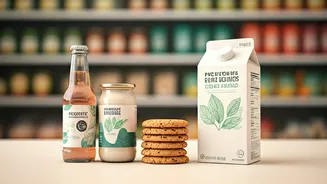
Here’s the most important part of this new wave: it doesn’t work if it’s not delicious. The brands and recipes that are winning are the ones that lead with incredible flavor and texture. Think ice cream made with avocado or whey protein that is genuinely creamy and satisfying, not just a sad, icy substitute. Consider pasta made from chickpeas that holds its sauce and has a satisfying bite. Or soda alternatives packed with prebiotics and botanicals that taste more complex and interesting than their sugary predecessors. The innovation isn't about tricking you into eating something 'healthy.' It's about starting with a classic, beloved food—a brownie, a bag of chips, a bowl of cereal—and re-engineering it from the ground up using better ingredients. The function is baked in, not sprinkled on as an afterthought. It’s the C-suite executive of snacks: sharp, effective, and impeccably dressed.
Your Kitchen as a Wellness Lab
This movement isn’t just happening in the packaged goods aisle. You can adopt this philosophy in your own kitchen by making strategic upgrades instead of radical sacrifices. It's about asking how you can add benefits to the foods you already love. Making pancakes? Swap some of the all-purpose flour for almond flour or add a scoop of collagen peptides to boost protein. Love a creamy salad dressing? Base it on Greek yogurt or cashews instead of just oil and mayo. Instead of cutting out sweets entirely, experiment with natural sweeteners like dates, maple syrup, or monk fruit that have a less dramatic impact on blood sugar. The mindset is one of creative addition, not punitive restriction. Your goal isn't to create a perfect diet, but to build a collection of meals and snacks that are both genuinely enjoyable and don't leave you feeling sluggish, bloated, or guilty.