




Beyond the Manicured Lawn
For decades, the peak of suburban aspiration was a lush, uniform, emerald-green lawn, punctuated by a few carefully chosen ornamental shrubs from far-flung corners of the world. It’s an image we know from countless movies and TV shows. But that ideal
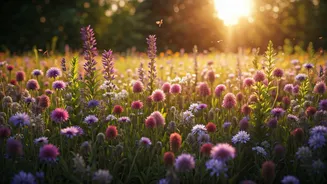
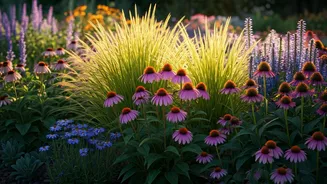
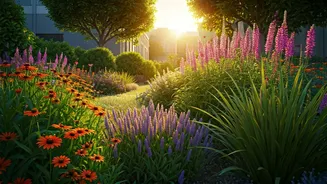
is starting to fade as more Americans embrace a different kind of beauty: the wild, resilient charm of native plants. This isn't just about letting your yard go; it's a thoughtful shift towards ecological gardening. The trend involves intentionally choosing plants—flowers, grasses, shrubs, and trees—that have evolved in your specific region over thousands of years. Unlike pristine turfgrass, which is often an ecological desert, a native garden is a bustling hub of life. It’s a recognition that a yard can be more than just decorative property—it can be a functioning part of the local ecosystem.
An Ecosystem in Your Backyard
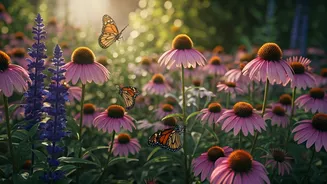
So, why are people ripping up their grass to plant what some might call 'weeds'? The benefits are profound. First and foremost, native plants are critical for supporting local wildlife. They provide the specific food and shelter that native insects, birds, and other animals need to survive. For example, monarch butterfly caterpillars can only eat milkweed, a plant native to much of North America. By planting it, you're creating a vital link in that species' life cycle. Beyond wildlife, native plants are champions of sustainability. Because they are adapted to the local climate and soil, they typically require far less water than non-native species once established. They also thrive without the constant application of chemical fertilizers and pesticides, which helps protect local waterways from polluted runoff. In an era of increasing drought and concern over biodiversity loss, turning a yard into a self-sustaining habitat is a powerful act.
Working With Nature, Not Against It
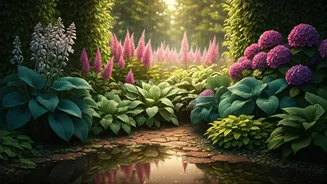
One of the biggest misconceptions about native gardening is that it results in a messy, unkempt yard. While a 'wild' look is one option, you can also design a native garden to be as formal or as tidy as you like. The key difference is the plant palette. You can have clean borders, elegant groupings, and striking color combinations, all using species that belong right where you are. The real beauty is in the reduced workload. Instead of a constant battle to mow, fertilize, and water, native gardening is about creating a balanced system that largely takes care of itself. It’s a shift from imposing your will on the landscape to collaborating with it. Many find the experience more rewarding, as they watch their garden evolve through the seasons and see it become a haven for chirping birds and buzzing bees.
How to Get Started
Jumping into native gardening is easier than you might think. You don’t need to overhaul your entire yard overnight.
1. Identify your ecoregion: The first step is figuring out which plants are native to your specific area. Online tools like the National Wildlife Federation's Native Plant Finder or the Audubon Society's Plants for Birds database are invaluable. Just enter your zip code to get a customized list of species that will thrive in your yard and support local wildlife.
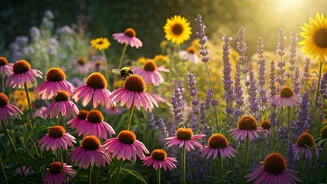
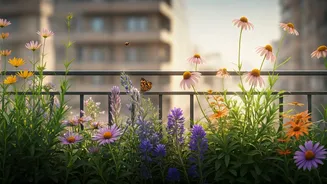
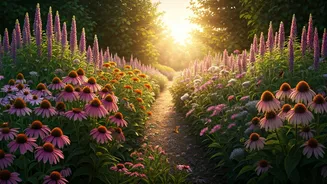
2. Start small: You can begin by converting a small, neglected patch of lawn into a native flowerbed. Another great entry point is a container garden on a patio or balcony. Planting just one or two native species, like coneflowers or bee balm, can make an immediate difference for local pollinators.
3. Find local sources: While big-box stores are improving, your best bet for finding true native plants is often a local nursery that specializes in them. Also, look for annual plant sales hosted by botanical gardens, nature centers, or local chapters of conservation groups. These events are fantastic resources for both plants and expert advice.