




The Shaker Bottle Stereotype
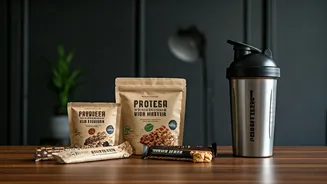
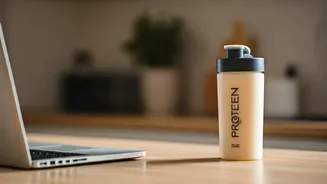
For decades, the protein shake occupied a very specific cultural space. It was the chalky, dubiously flavored fuel of bodybuilders and aspiring Schwarzeneggers, chugged post-workout from a clumpy plastic shaker. The goal was singular and unapologetically
masculine: build muscle. The marketing was loud, featuring impossibly chiseled physiques and names like “Mega Mass 4000.” If you weren’t trying to get “swole,” you likely walked right past that giant tub of whey powder in the grocery store without a second glance. It was a niche product for a niche community, seen by the general public as an intense supplement, not an everyday beverage.
Meet the New Protein Drinker
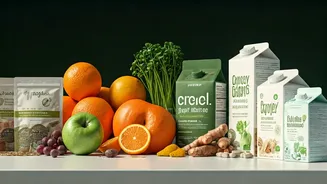
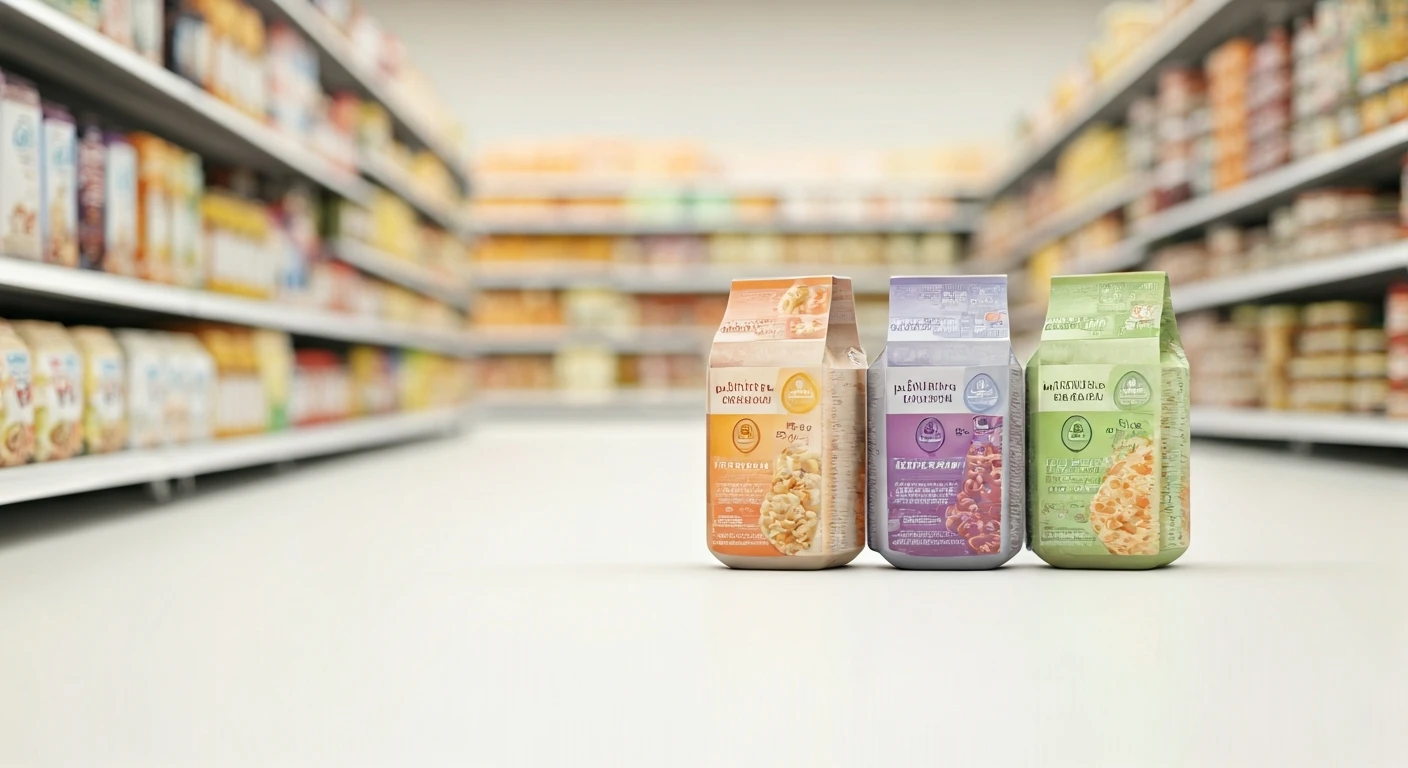
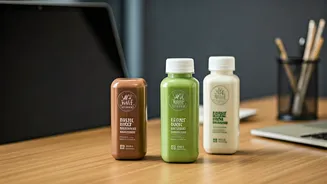
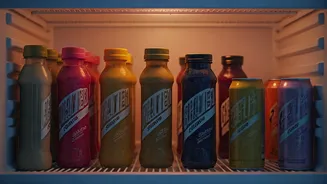
Walk down the beverage aisle today, and you’ll see a radically different picture. Sleek, minimalist bottles from brands like Fairlife, Soylent, and Koia sit alongside iced coffees and kombuchas. They’re being tossed into shopping carts by busy parents needing a quick breakfast, office workers looking to curb afternoon snack cravings, and older adults focused on maintaining muscle mass as they age. The new consumer isn't measuring their biceps; they're trying to manage their day. This shift has blown the market wide open. What was once a segment dominated by supplement shops is now a multi-billion dollar category in mainstream retail, with brands fighting for shelf space at Target, Walmart, and even 7-Eleven.
Why the Shift Is Happening Now
Several cultural currents converged to make this happen. First, the wellness movement reframed protein from a muscle-building tool to a key component of overall health. Influencers and dietitians began talking about its role in satiety—the feeling of fullness—which made it attractive for weight management. Second, our lives got busier. The demand for convenient, on-the-go meal replacements skyrocketed. A ready-to-drink protein shake is the ultimate modern convenience: a full-feeling meal you can consume in two minutes while answering emails. Finally, the pandemic accelerated the focus on “food as medicine,” with consumers seeking out functional ingredients that could support their health and immunity, a halo effect that benefited protein.
Not Your Average Chalky Shake
The products themselves have undergone a massive glow-up. The new wave of protein drinks is all about appealing to a broader palate and set of values. Clumpy, gritty textures have been replaced by smooth, milk-like consistencies. Forget artificial-tasting vanilla or chocolate; today’s flavors include Café Latte, Cinnamon Roll, and Banana Crème. There’s also been an explosion in plant-based options using pea, soy, and almond protein to cater to vegans and the dairy-averse. Brands are also cleaning up their labels, touting “no artificial sweeteners,” “low sugar,” and other health-forward claims. The goal is no longer to be a hardcore supplement but a delicious, guilt-free snack or meal.
Beyond Muscle: The 'Satiety' Sell
Perhaps the biggest change is in the marketing. The message is no longer about getting bigger. It’s about feeling fuller, longer. Brands are selling a solution to the 3 p.m. slump and the mindless pantry raid. Protein’s ability to promote satiety is its new superpower. This angle resonates far more with the average person than promises of “massive gains.” It repositions the protein drink from an intimidating gym accessory to a practical life hack for managing hunger and energy levels throughout a hectic day. It’s a subtle but powerful pivot that has turned millions of everyday people into protein consumers, many of whom have never lifted a dumbbell.