


Understand the Perfect Contrast
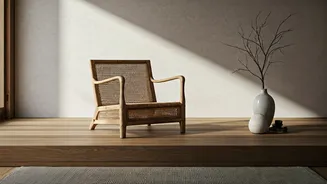
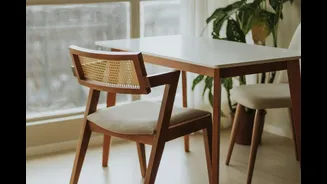
At first glance, the pairing seems unlikely. Japandi style is built on neutral palettes, clean lines, and natural materials like light oak, bamboo, and paper. It’s about simplicity and function. Upcycled Indian brass, on the other hand, is rich with history,
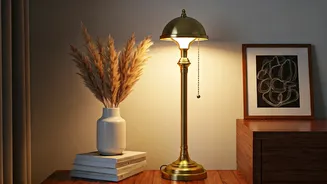
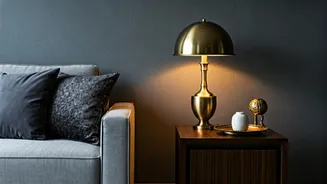
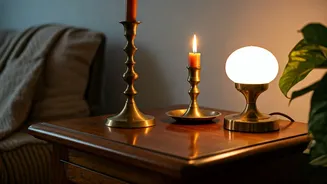
intricate details, and a warm, golden patina that speaks of time and use. This is precisely why it works. The goal isn't to overwhelm the space but to introduce points of warmth and storied character. Think of the brass not as clutter, but as a piece of functional sculpture. The hand-hammered textures and aged luster of vintage brass provide a necessary counterpoint to Japandi’s smooth surfaces and muted tones, adding a layer of depth and personality that prevents the room from feeling sterile. It’s the design equivalent of adding a pinch of salt to a sweet dish—it enhances everything else.
Start with a Single Statement Piece
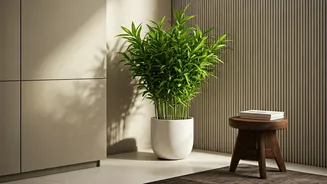
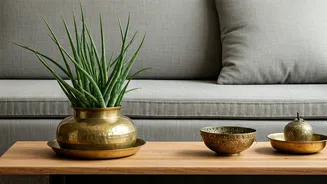
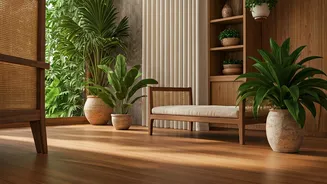
The easiest way to begin is by choosing one significant brass element to serve as a focal point. Don’t scatter small items around just yet. Look for a piece with substance and a story. A large, shallow brass *urli* bowl, traditionally used in South India for floating flowers, is a fantastic choice. Placed on a low-slung coffee table or on the floor in an empty corner, it can be filled with water and a few floating candles or left empty as a sculptural object. Its rounded, organic shape softens the straight lines common in Japandi furniture. Another option is a vintage brass planter. Instead of a standard ceramic pot, house your snake plant or fiddle-leaf fig in a large, aged brass vessel. The combination of living greenery and warm metal is a powerful anchor that embodies both the natural and the man-made.
Group Small Items for Impact
Once you have your anchor, you can introduce smaller elements. The key is to group them intentionally to create a curated “moment” rather than a sprinkling of clutter. This honors the minimalist principle of thoughtful placement. Dedicate a small section of a bookshelf or a single floating shelf to a collection of brass. For example, a trio of mismatched, small brass vessels (like old *lota* pots) can be arranged together. Or, place a vintage brass tray on a side table to corral everyday items like remote controls or coasters, turning functional storage into a deliberate design choice. This technique, known as creating a vignette, draws the eye and tells a small story, making the space feel personal and lived-in without disrupting the overall sense of calm.
Focus on Texture and Patina
The magic of upcycled brass lies in its imperfection—a core concept that aligns beautifully with the Japanese principle of *wabi-sabi*, which finds beauty in transience and imperfection. Don't seek out shiny, new-looking pieces. Instead, look for items with a deep, varied patina, small dents, and the soft gleam of aged metal. This history is what gives the object its soul. A hand-hammered brass tray reflects light in a soft, diffused way that’s much gentler than a polished, mirrored surface. Old brass bells, once used on temple doors or for cattle, can be hung from a doorknob or hook, their silent presence adding a touch of rustic history. This textural contrast is crucial in a Japandi setting, where surfaces are often smooth and uniform. The imperfect brass adds a tactile quality that invites touch and closer inspection.
Find Your Upcycled Treasures
Sourcing these pieces is part of the fun. The term 'upcycled' implies giving an object a new purpose, so keep an open mind. Local flea markets, antique shops, and estate sales are prime hunting grounds for authentic, affordable finds. Online, platforms like Etsy, eBay, and Chairish have thousands of listings for “vintage Indian brass” or “antique brass vessels.” When searching, use specific keywords like “brass lota,” “urli,” “paan box,” or “tiffin” to discover unique shapes and forms. Remember, you’re not just buying a decor item; you’re acquiring a piece with a past. A small brass box once used for spices can become a holder for jewelry on a dresser, adding a layer of meaning and global connection to your minimalist sanctuary.