





Beyond the Bucket List
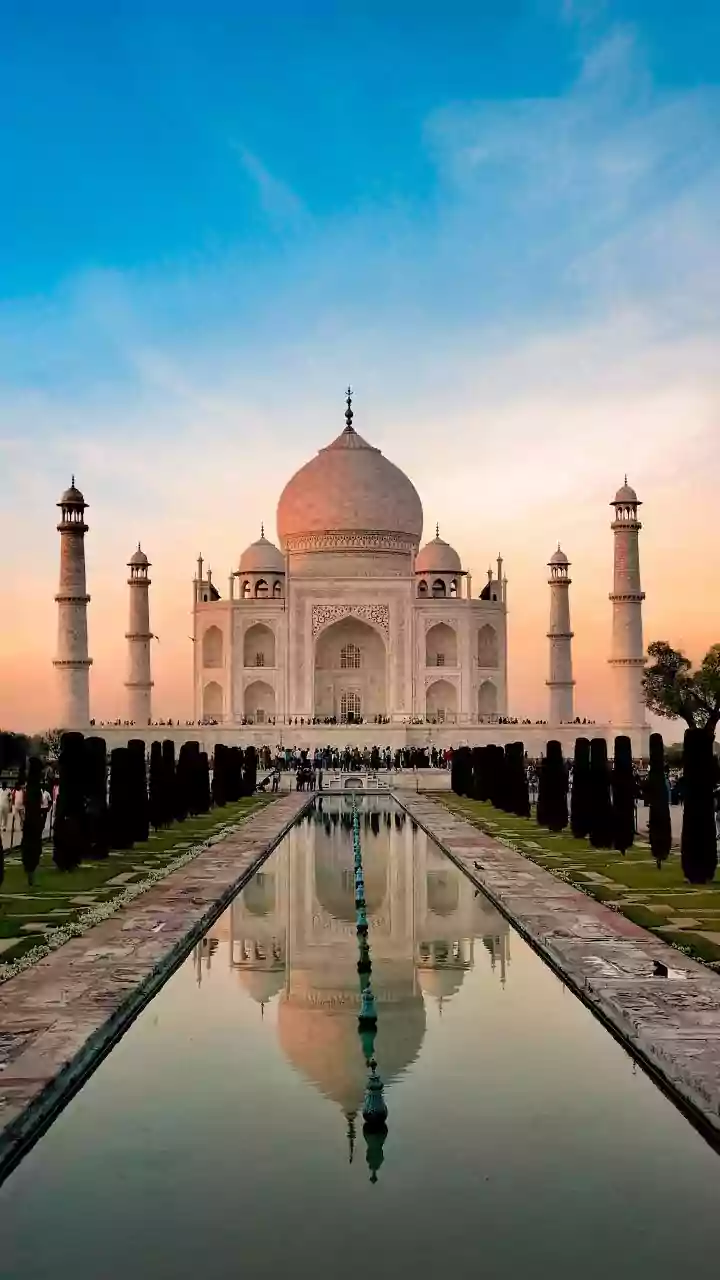
For decades, the “Golden Triangle”—Delhi, Agra, and Jaipur—was the undisputed epicenter of tourism in India. It was a journey of historical grandeur, a bucket-list trip defined by Mughal architecture and royal history. While these sites remain iconic,
they no longer represent the full picture of what draws travelers to the subcontinent. A significant shift is underway, driven by a new generation of visitors who are trading jam-packed sightseeing schedules for slower, more immersive experiences. They are seeking not just to see India, but to feel it, taste it, and let it reshape their well-being. This evolution marks a move from a travel mindset of 'doing' to one of 'being,' where the ultimate souvenir isn't a photograph, but a renewed sense of self.
The Rise of Restorative Travel
At the heart of this trend is wellness. India, as the birthplace of yoga, meditation, and Ayurveda, is uniquely positioned to cater to a global hunger for mental and physical rejuvenation. Travelers are flocking to destinations like Rishikesh, nestled in the Himalayan foothills, not just for adventure sports but for its world-renowned yoga ashrams and meditation centers. Further south, the serene backwaters of Kerala have become a global hub for Ayurvedic healing. Here, resorts and clinics offer personalized programs that can last for weeks, focusing on detoxification, stress reduction, and holistic health through ancient practices. This isn't about a quick spa day; it’s a deep dive into centuries-old wellness philosophies. The appeal is powerful in a post-pandemic world where burnout is rampant and the search for balance has become a priority for many Americans.
A Journey for the Palate
Alongside wellness, food has become a primary motivation for travel to India. American foodies, bored with the homogenized “Indian food” found in many U.S. restaurants, are seeking authenticity. They’re discovering that there is no single Indian cuisine, but a vast and diverse culinary landscape that changes dramatically every hundred miles. Culinary tours are booming, guiding travelers away from generic tourist buffets and into bustling local markets, family kitchens, and regional restaurants. These trips focus on hands-on experiences: learning to grind spices in Rajasthan, mastering the art of the dosa in Tamil Nadu, exploring the Portuguese-influenced seafood of Goa, or attending a traditional Wazwan feast in Kashmir. It’s a form of tourism that connects visitors directly with local culture, history, and agriculture, offering a taste of India that is complex, vibrant, and unforgettable.
Why the Shift Is Happening Now
This redefinition of Indian travel is not accidental. It’s the result of several converging forces. First, modern travelers, armed with Instagram and endless online resources, are more sophisticated. They crave authentic, story-worthy experiences that go beyond the surface. Second, the global wellness industry has exploded, creating a ready market for the kind of mindful, restorative travel that India offers. Finally, India itself has been actively promoting these sectors. The government's “Heal in India” initiative and the growing professionalism of local tour operators have made these niche experiences more accessible and reliable for international visitors. The result is a perfect match: a country rich in ancient traditions of well-being and culinary arts, and a world of travelers eager to discover them.