

Moving Beyond the Recipe
Let’s be clear: there’s nothing wrong with recipes. They are the training wheels of the kitchen, teaching us technique, timing, and the foundational harmonies of flavor. They get a meal on the table and build a base of knowledge. But relying on them exclusively
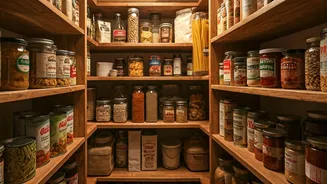
is like being a musician who can only play songs from sheet music, never improvising a single note. True mastery isn't about perfectly replicating someone else's creation; it’s about understanding the 'why' behind the 'what' so you can create your own. Cooking with what you have—the wilting kale, the leftover roast chicken, the can of beans from three pantry-shuffles ago—forces you to move from execution to creation. You’re not just following a script; you’re writing it in real-time. This is the leap from being a kitchen student to a kitchen practitioner. It’s the difference between knowing that garlic, olive oil, and chili flakes are a good start, and knowing *why* they work, empowering you to use that trio to rescue almost any vegetable from the brink of oblivion.
The Engine of Creativity
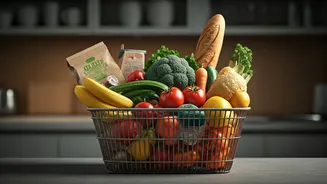
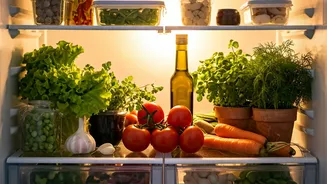
Anyone who has ever faced a creative project knows that a blank page can be paralyzing. Infinite options often lead to no action at all. The same is true in the kitchen. A fully stocked grocery store represents endless, overwhelming possibilities. But a near-empty fridge? That’s a beautiful, manageable constraint.
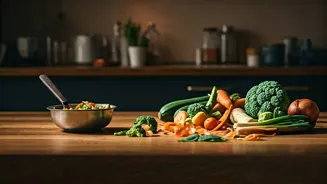
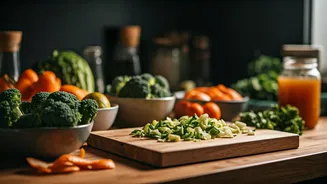
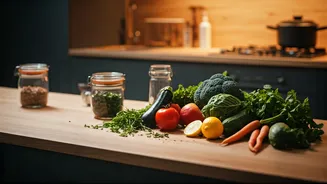
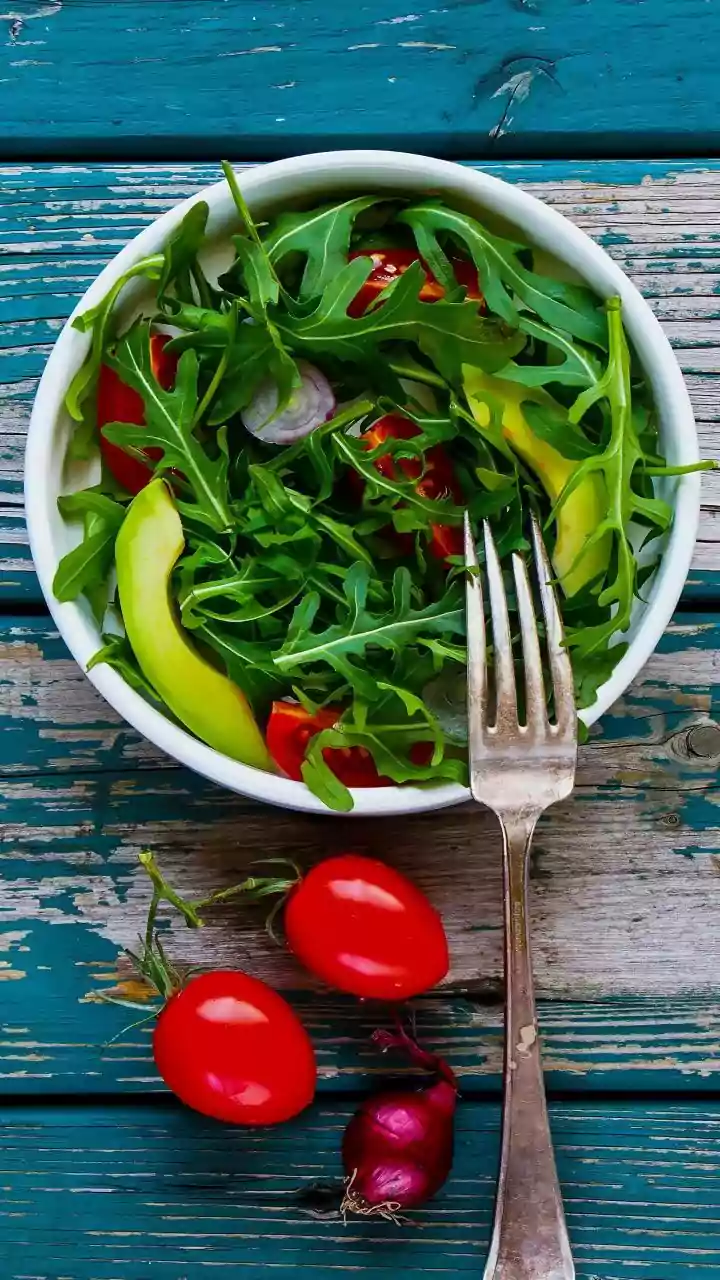
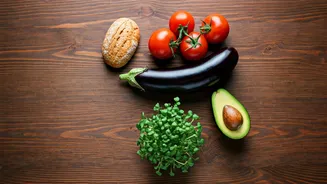
Those constraints are a secret engine for creativity. That lonely zucchini, a handful of cherry tomatoes, and a bit of feta aren’t a sad collection of odds and ends; they are a prompt. Can they become a frittata? A rustic pasta sauce? A simple side dish, roasted with herbs? When you’re forced to work within limits, you discover surprising combinations and invent techniques on the fly. The question shifts from “What do I want to make?” to the far more interesting “What *can* I make?” This is how you discover that a splash of pickle brine can brighten a sauce or that slightly stale bread makes the best croutons. It’s problem-solving disguised as dinner.
Sustainability and Financial Savvy
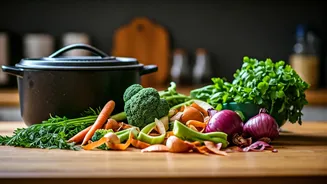
This approach to cooking isn't just a philosophical victory; it’s profoundly practical. In the United States, an estimated 30-40% of the food supply is wasted, with a huge portion of that waste happening in our own homes. Every head of lettuce that turns to slime and every portion of leftovers that gets forgotten is a small drain on both the environment and our wallets.
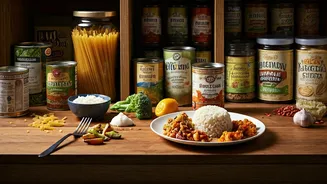
'Cook-with-what-you-have' is the single most effective, non-preachy form of kitchen sustainability. It reframes leftovers not as a chore to be eaten but as an ingredient to be used. That leftover rice becomes the base for fried rice. The remaining cooked vegetables get blitzed into a soup. This mindset transforms your refrigerator from a holding cell for future trash into a dynamic pantry of possibilities. It’s an act of respect for the food you buy and the money you spent on it. There is a quiet, powerful satisfaction in seeing an empty vegetable drawer at the end of the week, knowing nothing went to waste.
The Confidence of Intuition
Ultimately, what makes this style of cooking 'peak adulting' is the quiet confidence it builds. The ability to walk into a kitchen, assess the available resources, and produce a nourishing, delicious meal without a script is a genuine life skill. It’s a form of self-reliance that extends beyond the kitchen.
This confidence isn’t brittle. It doesn't shatter if you’re missing a teaspoon of smoked paprika. Instead, it’s a flexible, resilient intuition developed through trial and error. You learn that most things can be fixed with a little acid, salt, or fat. You learn to trust your own palate. You stop seeing cooking as a pass/fail test and start seeing it as a playful, ongoing conversation between you and your ingredients. It’s the moment you realize you don’t need a recipe because, in a way, you’ve become one.