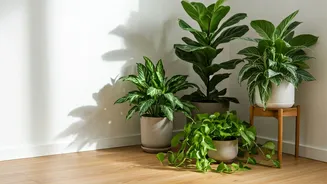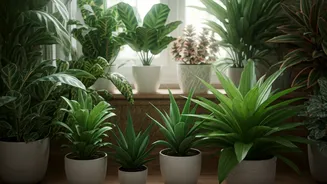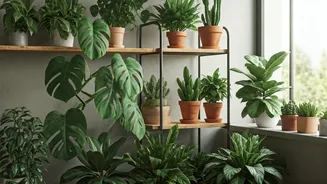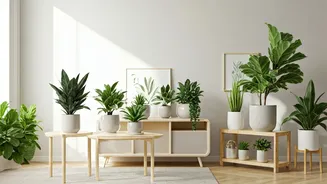

The Green Takeover
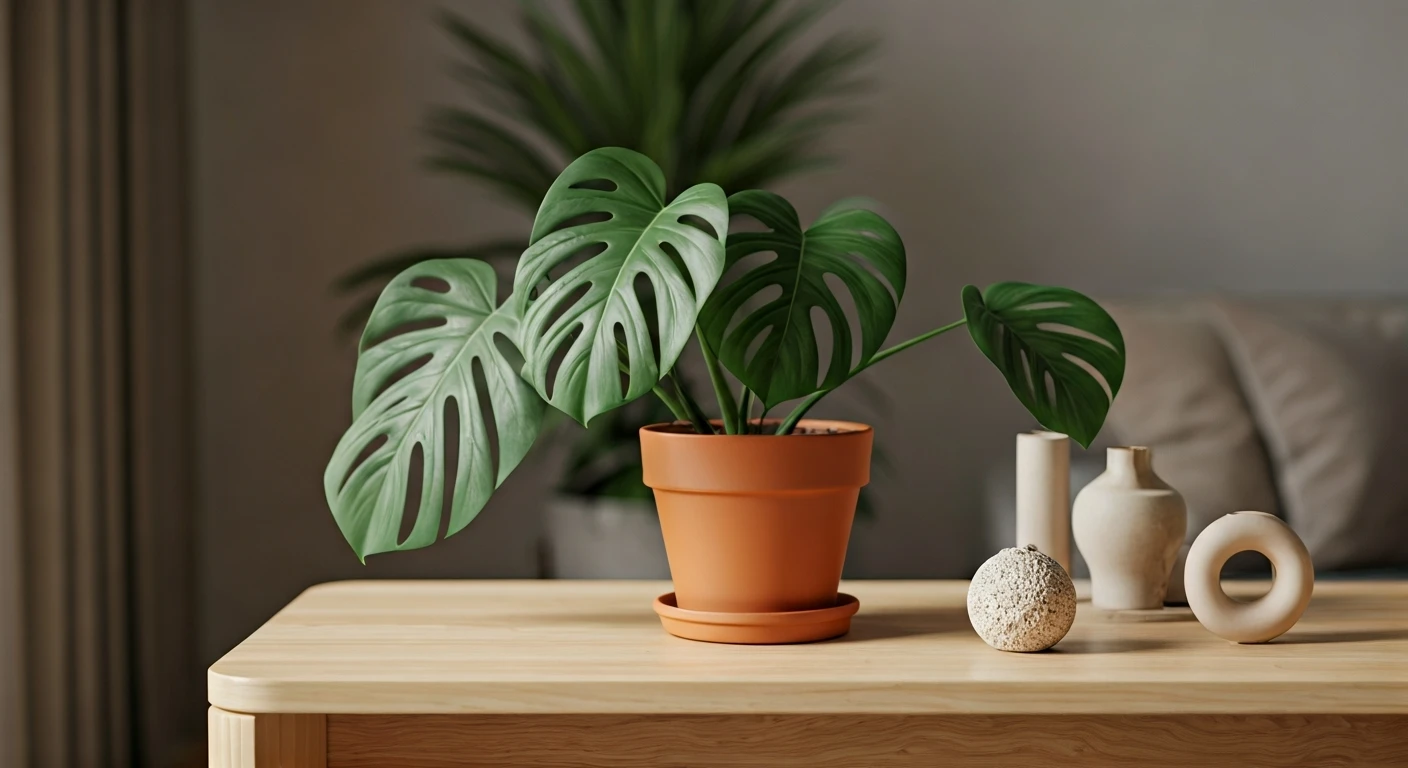
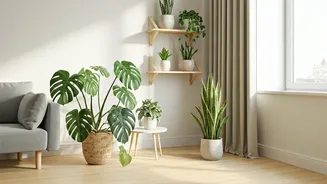
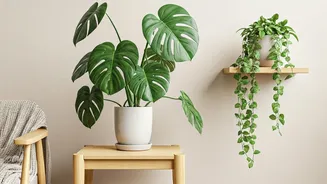
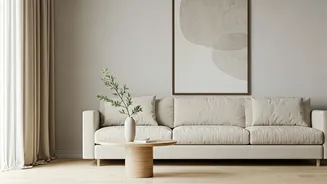
Just a decade ago, stark minimalism was the reigning aesthetic. Clean lines, empty surfaces, and a cool, almost clinical detachment defined aspirational living. Today, that has been completely upended by a lush, living alternative. Monstera deliciosa,
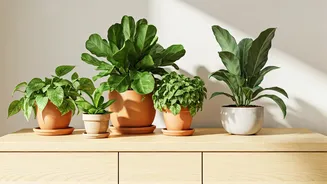
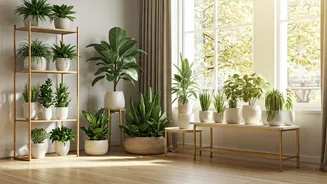
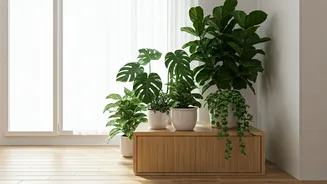
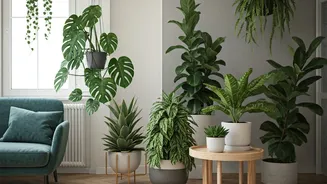
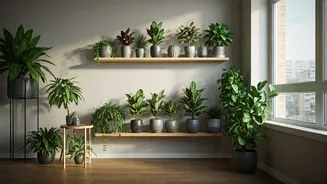
with its iconic Swiss-cheese leaves, has become as much a status symbol as an Eames chair. Fiddle-leaf figs stand sentinel in sunny corners, and cascades of pothos trail from shelves and macrame hangers. The term “plant parent” has entered the lexicon, a badge of honor for millennials and Gen Z who document their propagation successes and watering schedules on social media. This isn't just about filling a space; it’s about curating a personal jungle, a sanctuary from the outside world. The green wave has washed over us, turning sterile spaces into vibrant ecosystems.
An Echo of the Seventies
The key word in this trend is “again.” For anyone who lived through or has seen photos of the 1970s, this green obsession feels familiar. The ‘70s was the golden age of the houseplant. Fern bars were chic, spider plants dangled from every ceiling, and living rooms were crowded with Boston ferns and ficus trees. It was a reaction to the plastic fantastic aesthetic of the ‘60s, a turn toward the natural, the organic, and the handmade. Then, as design trends do, it faded. The ‘80s brought bold geometrics, and the ‘90s returned to a cleaner beige minimalism. But the cycle has come back around. The macrame hangers are back, the love for trailing vines has returned, and once again, we are looking to the quiet, steady presence of plants to make a house feel like a home.
The Wellness Connection
So why now? The resurgence is about more than just aesthetics. It’s deeply tied to our collective focus on wellness and mental health. In an overwhelmingly digital world, caring for a plant is a tangible, analog act. It grounds us. The simple, repetitive ritual of checking soil, watering, and pruning provides a moment of mindfulness. This is the core of their “no-drama” appeal. A plant doesn’t demand your constant attention with push notifications. It just asks for a little light and water. In return, it offers growth—a slow, steady, and visible sign of life that can be incredibly rewarding. Psychologists call this biophilia: our innate human tendency to connect with nature. When we can’t get outside, we bring the outside in, and our brains thank us for it. The simple presence of greenery has been shown to reduce stress, improve focus, and boost our mood.
Simplicity in a Complex World
Ultimately, a plant is the perfect no-drama hero because it’s a low-stakes, high-reward investment. Choosing a sofa can be a months-long agony of fabric swatches and budget calculations. Picking the “right” piece of art feels fraught with pressure. A plant, on the other hand, is an easy yes. It’s affordable, adaptable, and forgiving. It purifies the air, adds a pop of color, and fills an awkward corner without demanding a complete design overhaul. Unlike a piece of technology that will be obsolete in a year or a trendy throw pillow that will feel dated by next season, a plant is timeless. It doesn’t follow trends; it is the trend. It grows and changes with you, a quiet, living companion in your personal space. It’s decor that doesn’t just sit there—it lives.