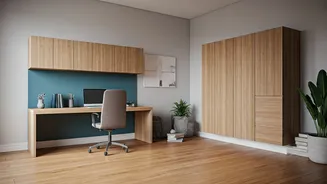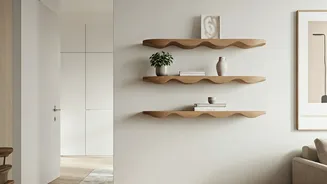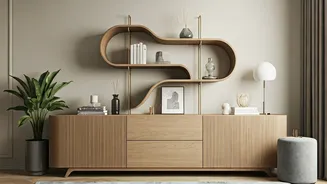


Embrace Multi-Functional Furniture
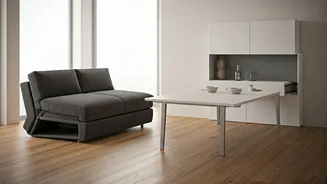
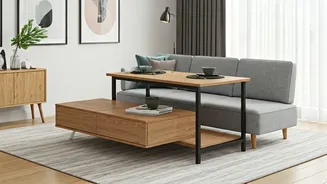
The cornerstone of a premium small space is furniture that works as hard as you do. A high-end hotel room feels luxurious not because it's packed with things, but because every item has a clear purpose. Apply this logic at home. Instead of a bulky coffee
table, consider a set of nesting tables that can be separated for guests or tucked away to create floor space. An ottoman with hidden storage can serve as a footrest, extra seating, and a home for blankets. A beautiful secretary desk can function as a workspace, a bar, and a display case, closing up neatly when not in use. Choosing pieces that serve two or three functions eliminates clutter and makes the entire room feel more intentional and resourceful—the very definition of modern luxury.
Create Distinct 'Zones'
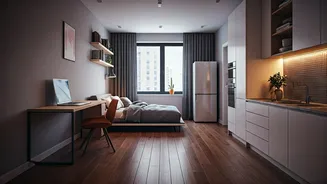
Even in a studio apartment, you can create the illusion of a larger, multi-room home by establishing zones. This psychological trick gives a small area a greater sense of purpose and order. Use a sleek, narrow console table behind a sofa to visually separate the 'living room' from the 'dining area.' A stylish area rug can anchor a seating arrangement, defining it as a distinct conversational zone. Placing an elegant armchair and a slim floor lamp in a corner instantly creates a 'reading nook.' You don't need walls to create rooms. By using furniture, lighting, and rugs to delineate function, you make the space feel more organized, sophisticated, and expansive, as if it were a custom-designed suite.
Draw the Eye Upward
One of the most effective ways to make a room feel grander is to emphasize its verticality. When your eye is drawn upward, the brain perceives the room as taller and more spacious. Hang curtains high and wide—place the rod six to twelve inches above the window frame and extend it beyond the frame on either side. Let the drapes fall all the way to the floor. This creates a soaring, dramatic effect. Similarly, opt for tall, slender furniture like a vertical bookcase or an étagère. Even a single piece of large-scale vertical art can have more impact than a gallery wall of smaller frames, which can sometimes look busy in a tight space. You’re not just decorating a room; you’re sculpting its perceived dimensions.
Master Light and Reflection
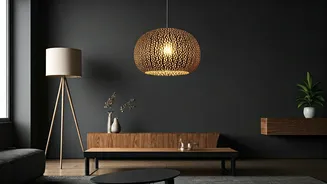
Light is the ultimate luxury in design. A well-lit room feels cleaner, larger, and more inviting. Relying on a single, harsh overhead fixture can make a small room feel like a cage. Instead, layer your lighting. Start with ambient light from a stylish ceiling fixture, add task lighting with floor or table lamps for reading, and finish with accent light to highlight art or architectural details. Then, bring in the oldest trick in the book: mirrors. A large, well-placed mirror does more than just reflect your image; it reflects light and the view, creating a sense of depth and effectively doubling a part of your room. Placing a mirror opposite a window is a classic move that maximizes natural light and brings the outdoors in.
Prioritize Negative Space
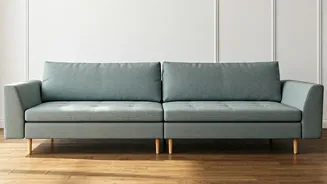
In a premium setting, what isn't there is just as important as what is. Negative space—the empty areas around your furniture—is visual breathing room. It prevents a room from feeling cramped and chaotic. Fight the urge to fill every corner and cover every wall. Choose furniture with exposed legs, like a mid-century modern sofa or console, which allows light and air to flow underneath, making the floor plan feel more open. See-through furniture made of acrylic or glass can also provide function without adding visual weight. By intentionally leaving some areas bare, you signal confidence and control over the space. It’s the difference between a cluttered antique shop and a curated gallery; both may hold beautiful things, but only one feels truly premium.