






Why No Moon Means Great Views
First, a quick astronomy lesson. A new moon occurs when the Moon is positioned between the Earth and the Sun. From our perspective, the side of the Moon that’s illuminated by sunlight is facing away from us, leaving the side we see in complete shadow.
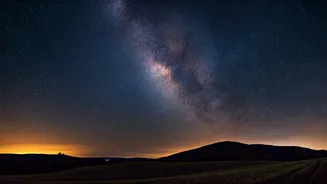
The result? The Moon is essentially invisible in our sky. Without its bright glare washing everything out, the night becomes significantly darker. This celestial blackout is a gift to stargazers. Fainter stars, distant galaxies, and the subtle, milky sweep of our own galaxy become much easier to spot. While a full moon is beautiful in its own right, it’s a form of natural light pollution for anyone hoping to see deep-sky objects. The new moon, by contrast, is an open invitation to explore the cosmos.
The Grounding Energy of Taurus
For those who follow astrology, a new moon marks the beginning of a cycle—a time for setting intentions and embracing new possibilities. When this happens in Taurus, an earth sign known for its connection to stability, sensuality, and the natural world, the theme is one of grounding. This particular new moon encourages us to slow down and connect with the physical world. What better way to do that than by planting your feet on the ground and tilting your head back to appreciate the vast, silent beauty of the universe? You don't have to be an astrology buff to appreciate the sentiment. Stargazing is an inherently grounding act. It forces you to be present, patient, and quietly awed by the scale of it all—a perfect match for the Taurean vibe of appreciating simple, profound pleasures.
Find Your Dark-Sky Sanctuary
The single most important factor for good stargazing is getting away from man-made light pollution. The glow from cities and towns can obscure all but the brightest stars and planets. To truly take advantage of the new moon’s darkness, you need to find a spot with a clear, unobstructed view of the sky, far from streetlights and building lights. State and national parks are often excellent choices, as are rural areas or even a local golf course or large field (with permission, of course). Use a light pollution map online (like darksitefinder.com) to locate darker zones near you. Even driving 20 to 30 minutes outside of a major metropolitan area can make a dramatic difference. Remember to pack a chair or blanket to get comfortable.
What to Look for in the Spring Sky
With the moon out of the picture, your eyes can feast on the classic constellations of the spring season. Look high in the sky for the Big Dipper, which is part of the larger Ursa Major constellation. You can use its two “pointer” stars to find Polaris, the North Star. Following the arc of the Big Dipper’s handle leads you to the bright, orange-tinted star Arcturus in the constellation Boötes. Also prominent is the majestic constellation Leo, the Lion, which looks like a backward question mark (the lion’s head and mane) attached to a triangle. If you stay up late, you might catch the summer constellations beginning to rise in the east, including the bright stars of the Summer Triangle. For planetary viewing, check a stargazing app for real-time locations, as planets like Saturn and Mars are often early morning sights this time of year.
Tips for the Best Experience
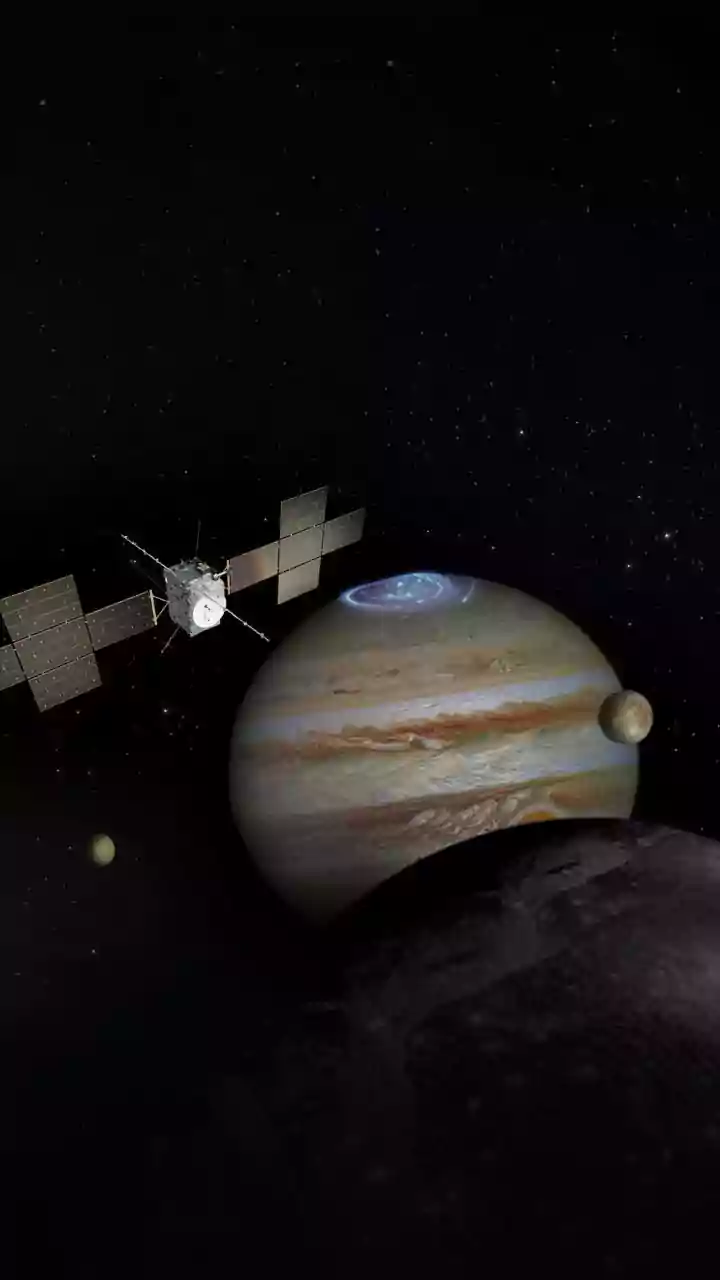
Once you’ve found your spot, your most important tool is patience. It takes about 20–30 minutes for your eyes to fully adapt to the darkness and reveal the faintest stars. To preserve your night vision, avoid looking at your bright phone screen. If you need a light, use a flashlight with a red filter, as red light has the least impact on your eyes’ dark adaptation. Binoculars are a fantastic, accessible tool for enhancing the view. Even a standard pair can reveal the craters of the (absent) moon, the moons of Jupiter, and bring dense star fields into stunning focus. Finally, dress in layers. Even on a pleasant spring evening, temperatures can drop significantly after sunset, and nothing cuts a stargazing session short faster than a chill.