
More Than Just a Meal
When younger diners, particularly Millennials and Gen Z, choose to spend a premium on food, they're often buying something that extends far beyond the plate. The transaction is less about caloric intake and more about acquiring an experience. This is the 'feeling'
the headline alludes to—a complex blend of ambiance, brand ethics, personal identity, and social currency. A $7 oat milk latte isn't just a caffeine delivery system; it's a small indulgence that comes with the cozy vibe of a specific coffee shop, the satisfaction of supporting a local business, or the feeling of participating in a modern wellness ritual. This shift redefines value. Instead of asking, 'How much food can I get for my money?' the implicit question becomes, 'How does this purchase make me feel about myself and my place in the world?'
Curating a Delicious Life
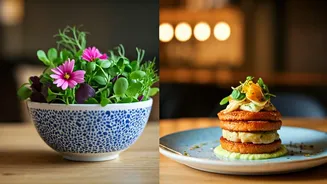
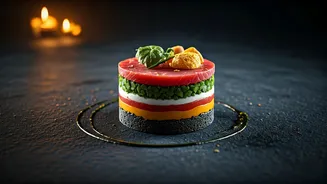
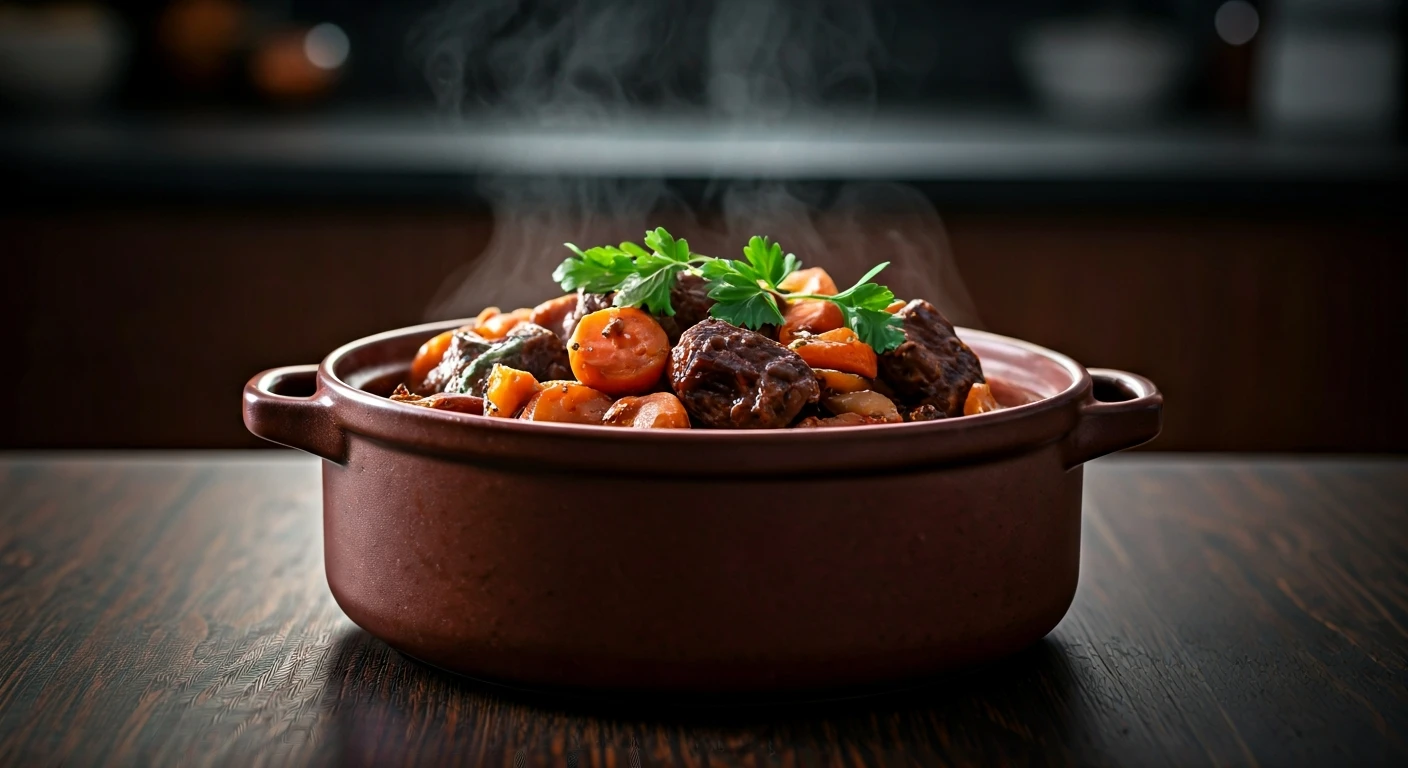
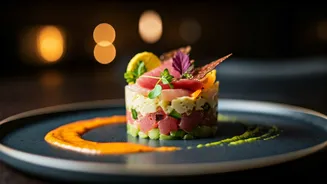
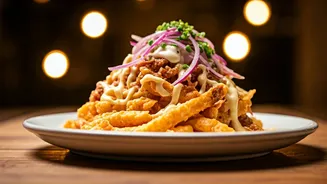
It’s impossible to separate modern food culture from the visual world of social media. For a generation raised on Instagram and TikTok, food is a primary medium for self-expression. A meal is not just eaten; it's documented, curated, and shared. This makes aesthetics a crucial part of the 'feeling.' Restaurants and food brands have taken note, designing spaces and products that are not only delicious but also photogenic. The vibrant colors of a smoothie bowl, the unique ceramic of a coffee mug, or the minimalist packaging of a direct-to-consumer pantry staple are all crafted to be camera-ready. In this context, paying more for food is also paying for content—a piece of a carefully constructed digital identity that signals taste, sophistication, and a life well-lived. The 'flavour' is as much visual as it is gustatory.
The Quest for Authentic Flavor
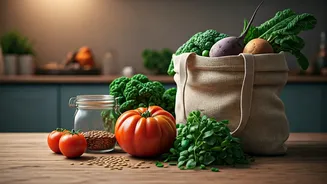
While 'flavour' certainly means deliciousness, for this demographic it also means authenticity. There's a growing demand for unique, traceable, and story-driven products that stand in stark contrast to mass-produced, generic foods. This manifests in a willingness to pay more for single-origin coffee beans from a specific Guatemalan farm, small-batch hot sauce from a Brooklyn startup, or heirloom tomatoes from a local farmer. The story behind the food—who grew it, how it was made, what makes it special—becomes part of its appeal. This search for authenticity is a reaction against a perceived landscape of artificiality. Paying for this kind of flavour is an investment in craftsmanship, transparency, and a connection to something real. It’s a vote for a food system that values quality and narrative over sheer volume and uniformity.
Wellness as a Vibe
The modern wellness movement has profoundly shaped how young people approach food. But this isn't about the restrictive calorie-counting of previous generations. Instead, it's about a holistic sense of well-being. 'Feeling' good is the goal, and food is a primary tool to achieve it. This has fueled the rise of products that promise benefits beyond basic nutrition: adaptogenic mushrooms in coffee for focus, collagen peptides in smoothies for skin health, or fermented foods for gut balance. These items often carry a significant price tag, but the cost is justified as an investment in self-care. The purchase of an expensive green juice or a beautifully branded tin of herbal tea is an act of nurturing oneself. It's less about dieting and more about buying into a lifestyle that feels positive, proactive, and restorative.
Finding a Tribe at the Table
Food has always been social, but for younger foodies, it's also a powerful tool for community-building. Sharing a specific food experience—whether it's lining up for a hyped croissant, visiting a trendy natural wine bar, or joining a CSA (Community Supported Agriculture) box—creates a sense of belonging. These shared tastes and rituals help form micro-communities, both online and in real life. Following the same food blogger, frequenting the same cafe, or buying the same niche pantry items can feel like being part of an exclusive club. In this sense, paying for a particular food or dining experience is also paying for access to a tribe. It's a way to connect with like-minded people and participate in a shared cultural conversation, making the expense about connection as much as it is about consumption.