








What Is Devotional Chanting?
At its heart, devotional chanting is a form of meditative practice that involves the repetitive singing or speaking of sounds, words, or mantras. Far from being exclusive to one religion, it’s a cross-cultural tradition found in many spiritual paths,
from the call-and-response Kirtan of Hindu traditions to the serene Taizé chants of Christian ecumenism. The goal isn’t musical perfection or religious conversion; it's about participation. The focus is on the collective vibration and the internal stillness that emerges from it. By joining a group in simple, repetitive melodies, you’re invited to let go of the analytical mind and simply be present with the sound and the shared energy of the room.
The Science of Sound and Serenity
The feeling of peace derived from chanting isn’t just psychological; it’s physiological. Researchers have explored how this practice impacts the body and brain. The rhythmic breathing required for chanting can stimulate the vagus nerve, a key component of the parasympathetic nervous system, which helps regulate our “rest-and-digest” response and counters the “fight-or-flight” state of chronic stress. Furthermore, the vibrations created in the chest and throat can have a self-soothing effect. When practiced in a group, communal singing has been shown to synchronize heart rates and breathing among participants, fostering a profound sense of connection and releasing oxytocin, often called the “bonding hormone.” It’s a scientifically backed way to tune your body for tranquility.
Why the 'Heritage Town' Setting Matters
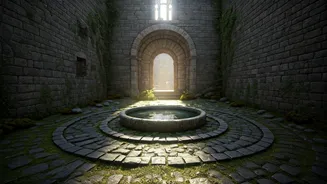
You can chant anywhere, but the setting dramatically enhances the experience. This is where the “heritage town” or historically rich environment comes in. Imagine stepping away from a bustling city into a community with preserved architecture, quiet streets, and a slower pace of life. These places—whether a designated historic town, a rural spiritual retreat center, or a community that preserves a traditional way of life like a Shaker village—provide a crucial sense of separation from modern pressures. The physical environment primes your mind for reflection. Chanting in an old, resonant chapel, a restored barn, or a simple community hall in a town that values history and quietude removes distractions and deepens the meditative state. The setting becomes an active participant in the journey inward.
How to Find These Experiences
Finding these gatherings is more accessible than you might think. Many yoga studios and wellness centers, especially those in smaller towns or city outskirts, host regular Kirtan nights led by local or touring musicians. Spiritual retreat centers like Kripalu in the Berkshires or Esalen in California are hubs for this, often set in stunning natural or historic landscapes. Don’t overlook interfaith chapels and progressive churches, many of which offer Taizé prayer services—a beautifully simple and inclusive form of chant. A simple online search for “Kirtan,” “Taizé,” or “devotional chanting” combined with your region or a town you’d like to visit can yield surprising results. These events are almost always open to the public and welcome newcomers.
Your First Time: No Experience Required
The most common barrier for newcomers is intimidation. You might think you need to be a good singer, know the words, or understand the tradition. The reality is the opposite. Most devotional chanting is a call-and-response format (known as *kirtan* in the yogic tradition), where a leader sings a line and the group sings it back. There’s no pressure to be loud or pitch-perfect. Many people just hum along or even sit in silence, absorbing the vibrations. The words are often simple, and lyric sheets are usually provided. The best advice is to leave your self-consciousness at the door. Close your eyes, focus on the sound, and feel the collective rhythm. It’s not a performance; it’s an experience of collective presence.