






The Sanctity of the Rainy Mood
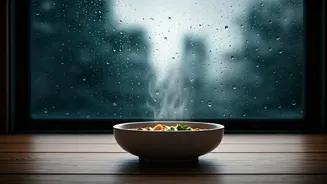
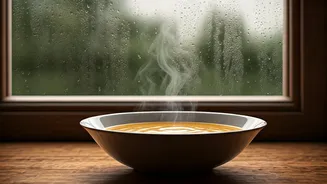
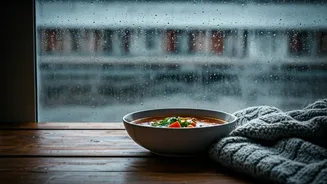
Let’s be clear about what a “rainy mood” is. It’s not just the meteorological event. It’s a psychological permission slip. The steady drum of water against the windowpane is a signal from the universe to slow down. The gray light softens the harsh angles
of our over-scheduled lives. It’s an involuntary-yet-welcome mandate to cancel plans, put on sweatpants, and turn inward. This mood is a delicate ecosystem. It thrives on quiet, blankets, a good book, and the ambient glow of a lamp turned on in the middle of the afternoon. It’s a state of cozy introspection, a temporary retreat from the world’s demands for productivity and cheer. To disrupt this fragile atmosphere with something jarring or thoughtless is to commit a tiny, personal crime against your own well-being. It’s like playing heavy metal at a yoga retreat. The vibes are simply, catastrophically, off.
The Insult of the Cold Leftover
And there is nothing more jarring than the cold, hard reality of leftovers on a day that calls for softness. Opening the refrigerator and pulling out a container of last Tuesday’s chili or a sad, stiff slice of pizza is an act of pure, unadulterated practicality. It says, “I am an efficient machine that requires fuel.” It’s a decision made by the logical brain, which has no place in the emotional sanctuary of a rainy day. Cold leftovers are the culinary equivalent of an email notification. They are about utility, not joy. They lack ceremony. There is no transformative process, no nurturing alchemy of heat and time. You are not creating warmth; you are merely consuming calories that happen to be cold. This isn't a judgment on leftovers in general—they are the valiant heroes of weeknight dinners and budget-conscious lunches. But on a day when your soul is seeking solace, they are an insult. They tell you that your mood isn’t important enough to warrant a pot, a pan, or even five minutes at the stove.
The Ritual of Creating Comfort
What the rainy mood truly craves is not just a hot meal, but the *act* of making it. The ritual is the point. It’s the gentle sizzle of onions and garlic in olive oil. It’s the slow stirring of a pot of soup, watching the ingredients meld and deepen. It’s the methodical assembly of a grilled cheese sandwich, buttering the bread right to the edges before placing it in a hot pan. These actions are meditative. They occupy your hands and quiet your mind, pulling you into the present moment. The smells that fill your home—simmering tomato, baking cinnamon, melting cheese—are as much a part of the experience as the taste. This is active self-care. You are not just feeding your hunger; you are tending to your emotional state. You are creating a bubble of warmth and security, one deliberate step at a time. The final dish is a culmination of that effort, a tangible manifestation of the comfort you’ve built for yourself.
The Rainy Day Canon
There are, of course, classics for a reason. A creamy tomato soup demands to be paired with a crunchy, gooey grilled cheese. A rich beef stew that has bubbled away for hours feels like a hug from the inside. A simple bowl of pasta, tossed with butter, parmesan, and a heavy hand of black pepper, is elemental and deeply satisfying. Even something as simple as a baked potato, split open and lavished with butter and salt, has the right energy. It’s about warmth, carbs, and a sense of nostalgic safety. The goal isn’t a gourmet meal that requires a trip to a specialty market. The goal is to use what you have to create something that feels like an occasion, even if the only occasion is “it’s raining.” It’s about recognizing that the gentle melancholy of the day deserves an answer that is equally gentle, but warm. It deserves a response that says, “I see you, I feel you, and I will meet you with something good.”