




When Home Becomes an Oven
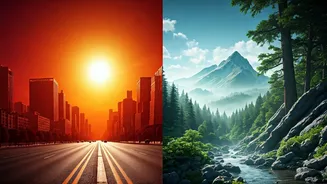
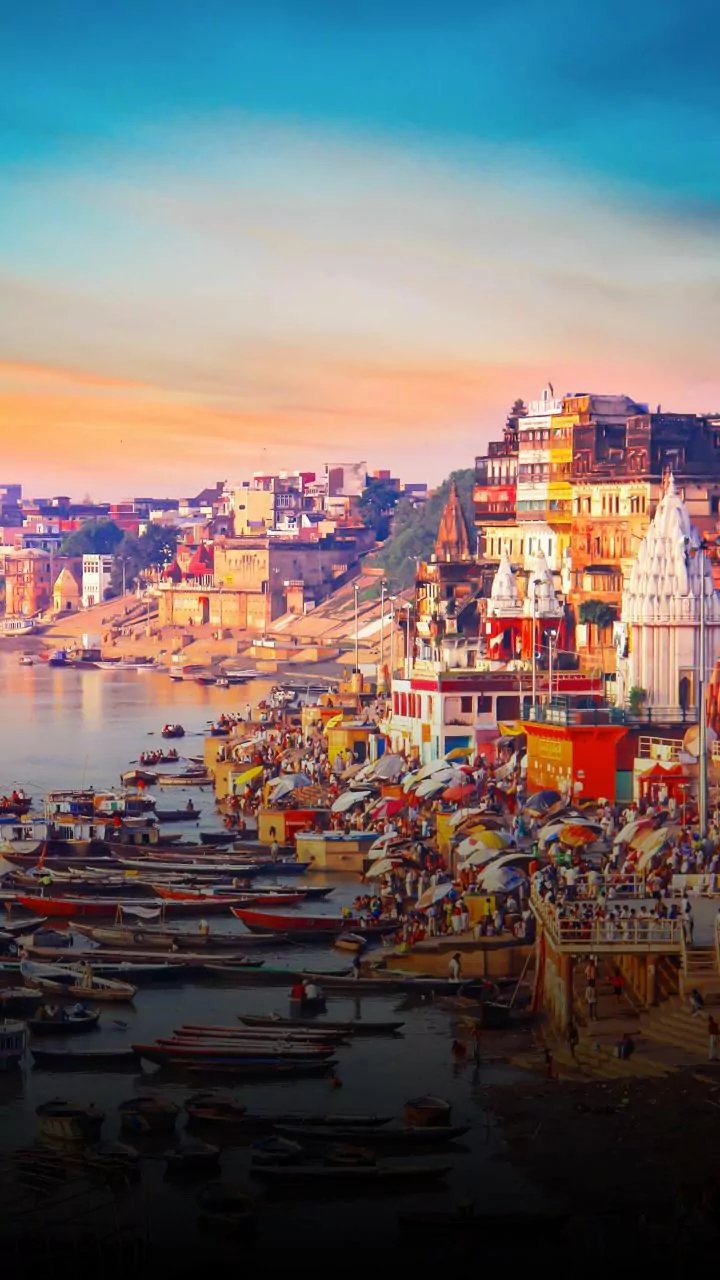
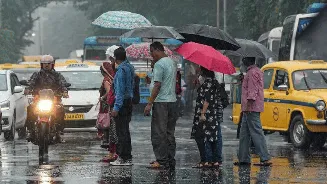
It’s a scenario that is becoming terrifyingly familiar across India. For weeks on end, major cities like Delhi and Mumbai swelter under a relentless sun, with temperatures soaring past 110°F (43°C) and sometimes touching 120°F (49°C). The heat isn't just
uncomfortable; it’s dangerous. It cripples infrastructure, causing power grids to fail and water supplies to dwindle. It closes schools, disrupts businesses, and poses a lethal threat to the elderly, the young, and the millions who work outdoors. This is not a freak occurrence but a clear pattern intensified by climate change. Recent years have seen India endure some of its longest and most severe heatwaves on record. The oppressive heat, combined with high humidity, creates wet-bulb conditions where the human body can no longer cool itself by sweating, leading to heatstroke and death. Faced with this recurring seasonal crisis, those with disposable income are looking for an escape route, and they are increasingly finding it thousands of miles from home.
The Rise of the 'Cool-cation'
Travel industry experts have coined a new term for this phenomenon: the “cool-cation” or “climate-escape tourism.” It’s a travel trend born of desperation and enabled by India’s expanding middle and upper-middle classes. Travel booking platforms and tour operators have reported a massive surge in inquiries and bookings for international destinations known for their mild summer weather. Companies like Thomas Cook India have noted a 25-30% year-over-year increase in travel to cooler European countries during the peak Indian summer months of April, May, and June. This isn't just about a standard vacation. The booking window is shrinking as people make last-minute decisions to flee a sudden heatwave. Search queries for destinations like “Switzerland,” “Scandinavia,” and “Scotland” spike in direct correlation with temperature spikes back home. Travel agents report that clients are explicitly asking for places where they can “breathe fresh, cool air” and “escape the dust and pollution” that often accompanies extreme heat in Indian cities.
From the Alps to the Fjords
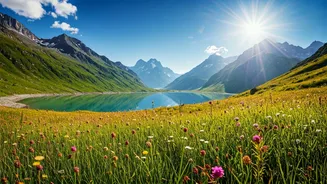
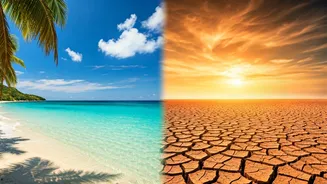
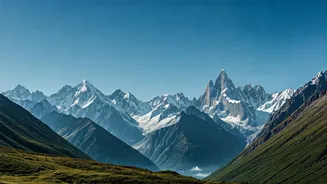
So where are they going? Europe is the primary beneficiary. The snow-capped mountains of Switzerland, the green hills of the United Kingdom, and the breathtaking fjords of Norway have become havens for heat-weary Indian travelers. These destinations offer a stark contrast to the searing plains of North India, with average summer temperatures often sitting in the comfortable 60s and 70s Fahrenheit (15-25°C). Tour operators are adapting their packages to cater to this new demand, promoting “summer chill” itineraries that focus on outdoor activities in pleasant climates. Beyond Europe, other destinations are also seeing a boost. Cooler, mountainous regions in Southeast Asia, as well as countries in the Southern Hemisphere like Australia and New Zealand where it is autumn or winter, are also becoming popular alternatives. The primary selling point is simple and powerful: a respite from the life-threatening heat.
A Glimpse into Our Climate Future
While the idea of fleeing to a cooler country for the summer may sound idyllic, it highlights a stark reality of the climate crisis: inequality. The ability to escape extreme weather is a privilege available only to a small fraction of India’s 1.4 billion people. For the vast majority—farmers, construction workers, and the urban poor—there is no escape. They are left to endure the heat, often without reliable access to air conditioning, clean water, or healthcare. This trend is an early, powerful signal of how climate change will reshape global mobility and tourism. What is now a luxury for affluent Indians could become a more widespread pattern of seasonal climate migration for those who can afford it. It raises profound questions for the future: Will cities in cooler climates become seasonal refuges for the world's wealthy? And what happens to the billions left behind in the ever-expanding hot zones? The search for cool air abroad is more than a travel trend; it's a preview of a world increasingly stratified by a changing climate.