


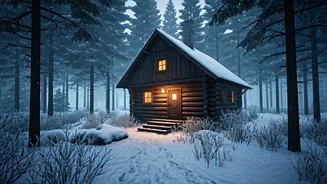
The Rise of 'Coolcations'
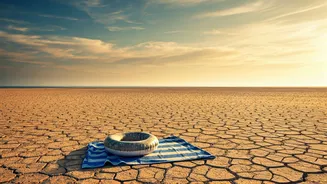
Remember when a hot beach day was the goal? For a growing number of travelers, the opposite is true. After consecutive years of record-shattering summer temperatures, the idea of baking on the sand in 100-degree heat has lost its appeal. Enter the 'coolcation'—a
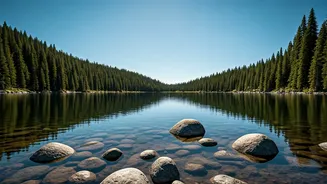
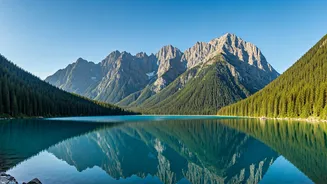
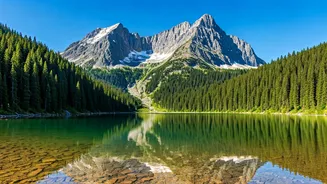
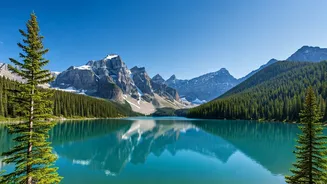
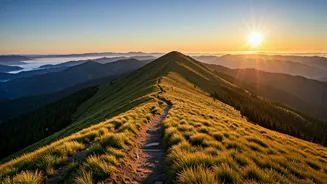
travel trend focused on escaping extreme heat. Instead of flocking south, travelers are looking north to destinations like Maine, the Pacific Northwest, or the Great Lakes region. Mountain towns in Colorado, Vermont, and North Carolina are also seeing a surge in interest. The goal is no longer to chase the sun, but to find comfortable, pleasant weather where you can actually enjoy the outdoors without the risk of heat exhaustion. It’s a fundamental shift from seeking heat to seeking relief.
The Great Sargassum Invasion
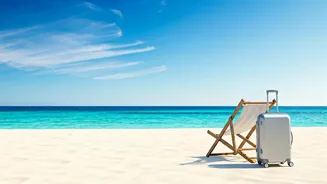
For many would-be beachgoers in the Southeast and Caribbean, the problem isn't the heat—it's the seaweed. Massive, sprawling mats of sargassum, a type of brown algae, are choking shorelines from Florida to Mexico. While sargassum is a natural part of the ocean ecosystem, recent years have seen unprecedented blooms, creating a 'Great Atlantic Sargassum Belt' that can be seen from space. When it washes ashore, it creates a thick, pungent blanket that makes swimming unpleasant and smells strongly of rotten eggs as it decomposes. It can be a major deterrent for tourists who dream of pristine white sand and clear turquoise water, forcing them to look for alternatives where the air and the water are both clear.
Sticker Shock at the Shore
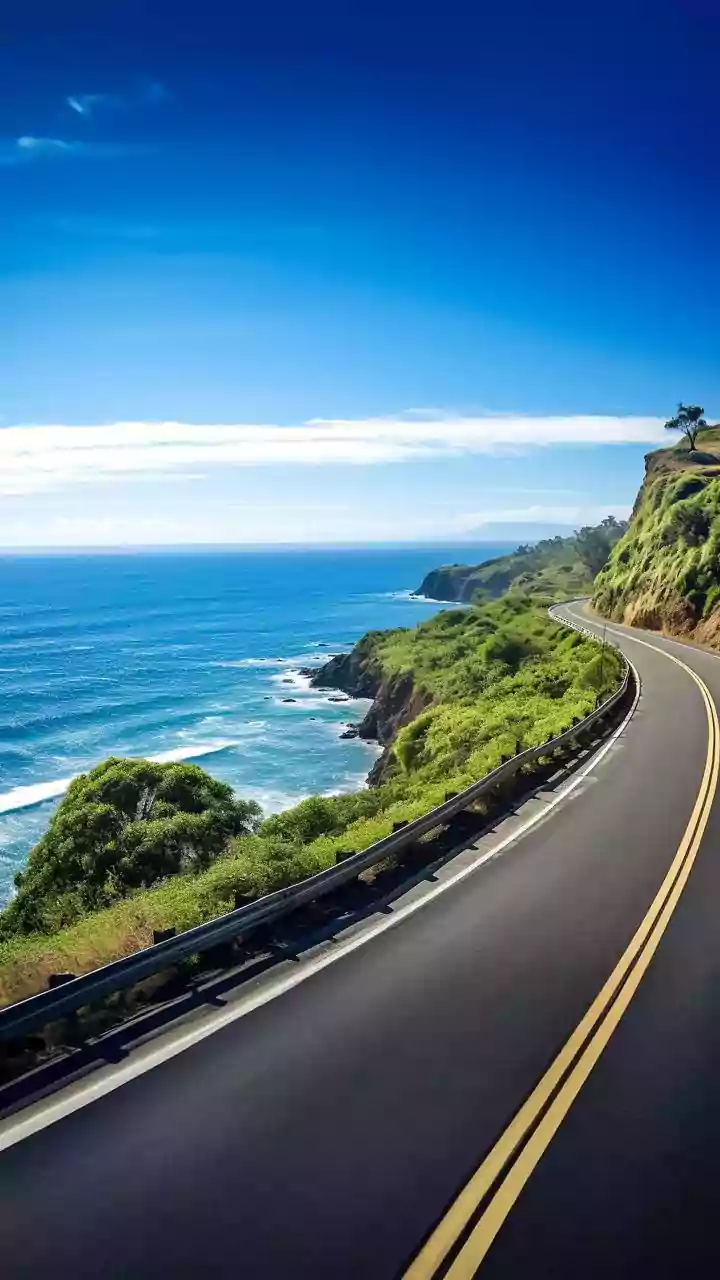
Let's be honest: your summer vacation feels a lot more expensive this year, and you’re not imagining it. While inflation has cooled in some sectors, the cost of travel remains stubbornly high. Beachfront hotels and rentals, knowing they have a captive audience, have hiked prices significantly. Add in the high cost of flights, gas for a road trip, and even the price of a beachside burger and a beer, and the budget for a simple coastal long weekend can quickly spiral. For many families and couples, the math just isn't adding up. The value proposition of a mountain cabin, a staycation exploring a local city, or a trip to a less-trendy destination is starting to look much more attractive.
The Search for New Scenery
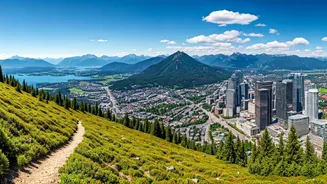
The post-pandemic 'revenge travel' boom saw millions rush back to their favorite, familiar spots—and for many Americans, that meant the beach. But now, a few years on, a different kind of travel fatigue is setting in. The crowds, the traffic, and the feeling of doing the same thing every year are leading many to seek out genuinely new experiences. The beach is predictable; a trip exploring the national parks of Utah, the food scene in a Midwest city, or the historic towns of New England is not. This isn't necessarily a rejection of the beach, but rather an expansion of the American vacation portfolio. After years of limitations, travelers are craving novelty and adventure, and for some, that means swapping sand dunes for mountain peaks or cityscapes.