


The Tyranny of the Entree
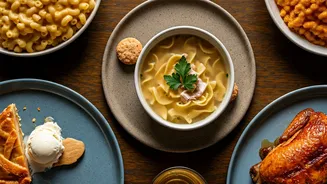
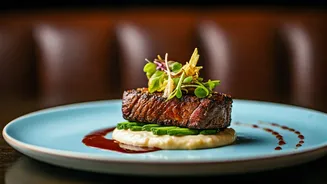
The traditional American dining script is rigid: you get an appetizer (maybe), a big main course, and a dessert. The entree is the star, the main event, the one decision upon which the entire meal hinges. Choose wisely, and you’re a culinary hero. Choose poorly,
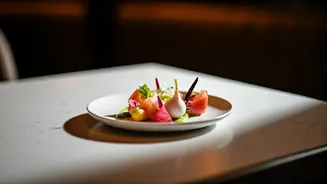
and you’re stuck staring at a mountain of mediocre pasta while your friend rapturously devours the short rib you almost ordered. This high-stakes gamble creates a unique form of anxiety. It’s the fear of a squandered opportunity, a night of dining potential unfulfilled. For the culinarily curious, or just the deeply indecisive, being locked into a single flavor profile for an hour feels less like a treat and more like a trap. The entree, in this light, isn't a promise of satisfaction but a monument to all the other dishes you didn't get to try.
An Escape Hatch Called Tapas
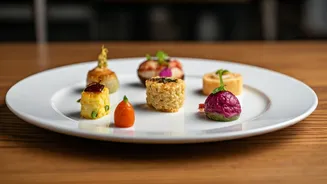
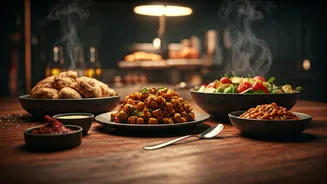
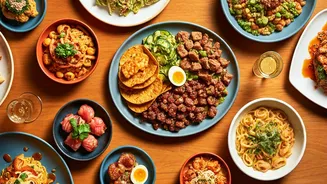
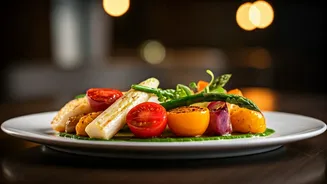
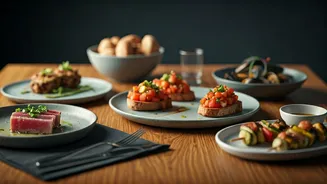
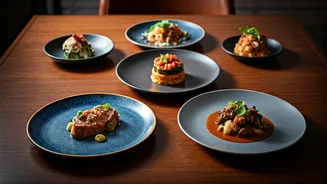
Enter the small plate. Originally a Spanish tradition—where 'tapas' are small snacks served with drinks—the concept has been enthusiastically adopted and adapted across the U.S. Now, whether they're called tapas, mezze, cicchetti, or simply 'small plates,' the philosophy is the same: liberation from the single entree. Instead of one big decision, you make a series of small, low-stakes ones. You’re not ordering a meal; you’re curating an experience. A little bit of this, a little bit of that. Patatas bravas next to whipped feta with honey. Ahi tuna crudo followed by mushroom arancini. This format transforms the menu from a multiple-choice test into a playground. It allows for exploration, experimentation, and, most importantly, a course correction. If one dish isn’t a hit, it’s okay—it’s just one small part of a larger, more varied tapestry of flavors.
The Ultimate FOMO Killer
Let’s call this what it is: the perfect antidote to food-based Fear Of Missing Out (FOMO). In a world of infinite choice, settling on one thing feels like a sacrifice. This isn’t about being 'commitment-phobic' in a negative sense; it’s about being passionate enough about food to want to experience as much of it as possible. Small plates validate this desire. They give you permission to be a little greedy for new tastes. You get to sample the highlights reel of the chef’s creations rather than committing to a single feature film. This grazing style of eating is perfectly suited to the modern palate, which is constantly exposed to new ideas and flavors through social media and travel. It’s a dining style that says, 'Why choose when you can have a taste of it all?'
It’s Not Just Food, It’s a Vibe
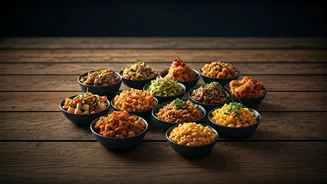
Beyond the food itself, the small plates format fundamentally changes the social dynamic of a meal. A table centered around one large plate per person encourages individual, head-down consumption. But a table blanketed in a dozen shared dishes forces interaction. It becomes a communal event. 'You have to try this!' becomes the refrain of the evening. People lean in, pass plates, and discuss what they’re eating. The meal becomes a conversation, a shared discovery rather than a set of parallel solo experiences. It’s more relaxed, more fluid, and less formal. This inherent sociability is a huge part of its appeal, turning a simple dinner into a more engaging and memorable occasion where the connection is as important as the cuisine.
Mastering the Small Plate Strategy
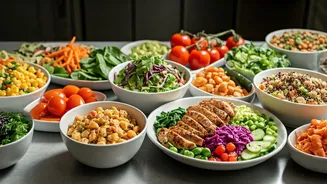
To get the most out of the experience, a little strategy helps. First, don't order everything at once. Start with a few dishes and see how you feel. This prevents the table from becoming overwhelmed and ensures the food arrives hot. Second, aim for balance. Order a mix of vegetables, proteins, and starches, and pay attention to different preparations—something fried, something fresh, something saucy. Most servers at small-plate restaurants are experts at guiding you, so don't be afraid to ask for recommendations on quantity and pacing. Think of it as building a playlist: you want a good flow, a few familiar hits, and some exciting new tracks to keep things interesting.