
The Great Escape from the Heat
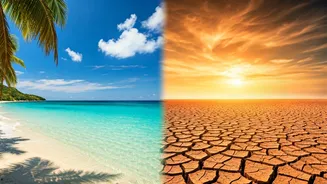
First, a simple, timeless driver: the weather. India’s peak summer, from April to June, coincides with scorching, pre-monsoon heat waves across much of the country, with temperatures often soaring well above 100°F (38°C). For generations, this period
has been the traditional time for those who can afford it to flee the sweltering plains and cities for the cooler climes of the Himalayan hill stations like Shimla and Manali, or the breezy coastlines of Goa and Kerala. This annual migration is a cultural institution, deeply tied to school and university holidays that fall squarely within these months. It’s less a luxury and more a practical strategy for survival and comfort, creating a predictable and powerful surge in domestic tourism that forms the bedrock of the summer travel season.
A Post-Pandemic Spending Surge
Like much of the world, India is still riding the wave of “revenge travel.” After years of strict lockdowns and travel restrictions, a massive pent-up demand was unleashed. But in India, this trend has been amplified by a unique combination of factors. Many middle-class families accumulated significant savings during the pandemic. Now, that capital is being redirected from traditional investments or durable goods toward experiences. Travel, both domestic and international, has become a top priority. A recent survey by travel company MakeMyTrip found a significant spike in summer travel intent compared to the previous year, with travelers not only booking more trips but also spending more per trip. This isn't just about making up for lost time; it's a fundamental shift in consumer behavior, where creating memories is the new status symbol.
The Rise of the Domestic Explorer
While international destinations like Dubai, Thailand, and Europe are popular, the real story is the explosion in domestic travel. India's rapidly expanding middle class, now hundreds of millions strong, has more disposable income than ever before. For many, this is the first generation with the means to explore their own vast and diverse country. They aren't just visiting family; they're booking hotel stays, taking sightseeing tours, and seeking adventure. This has led to the rise of new, previously overlooked destinations. The government's focus on promoting local tourism, combined with a surge in national pride, has encouraged Indians to discover the cultural and natural wonders in their own backyard. This internal exploration is the engine driving much of the high travel energy.
Infrastructure Makes It All Possible
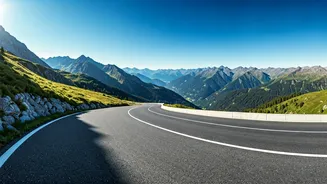
You can’t have a travel boom without the means to travel. India has been undergoing a massive infrastructure overhaul that is now paying dividends for the tourism sector. Under a program called UDAN, the government has focused on building and revitalizing airports in smaller, Tier-2 and Tier-3 cities, dramatically improving regional air connectivity. This has made it faster and often cheaper to fly to places that once required long, arduous train or bus journeys. Simultaneously, a vast network of new expressways and improved national highways has cut down road travel times significantly. The combination of more affordable flights and better roads has democratized travel, making spontaneous weekend trips and multi-city tours a viable reality for millions more people.
A New Generation’s Priorities
Driving this shift is a powerful demographic force: India's young population. For millennials and Gen Z, the aspirational goals are different from their parents'. Influenced heavily by social media platforms like Instagram, they prioritize experiences, adventure, and creating a life that looks as good as it feels. The “fear of missing out” (FOMO) is a potent motivator. This generation is more willing to take personal loans for travel, utilize “book now, pay later” schemes, and see travel not as an occasional indulgence but as an essential part of a well-rounded life. Their digital-native approach also means they are adept at finding deals, booking unconventional stays, and sharing their experiences online, which in turn fuels the travel aspirations of their peers, creating a powerful, self-perpetuating cycle of wanderlust.