

Woven Wonders: Textiles and Throws
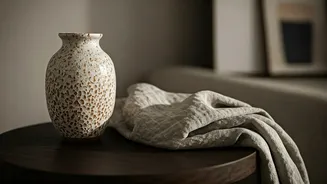
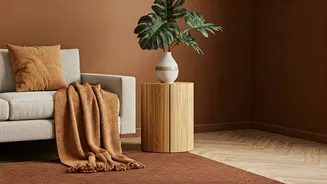
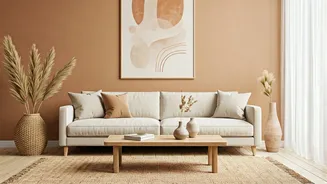
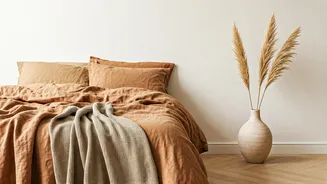
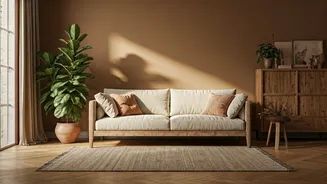
The fastest way to introduce warmth is through textiles. But instead of mass-produced perfection, seek out fabrics with tangible character. Think of a chunky wool blanket draped over a sofa, its thick, irregular braids inviting you to touch it. Consider
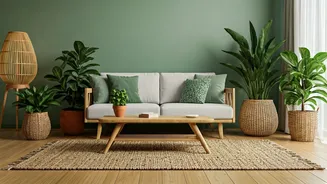
hand-loomed linen pillows with their natural slubs and subtle variations in color, or a jute rug whose coarse, earthy fibers ground the entire room. These materials do more than add a layer of comfort; they carry the story of their creation. Their imperfections are a quiet rebellion against the flawlessly manufactured, reminding us that a human hand was involved in making our house a home.
The Imperfect Beauty of Ceramics
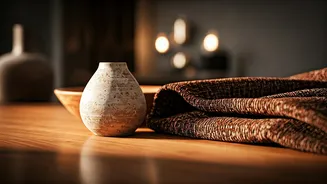
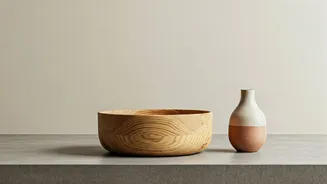
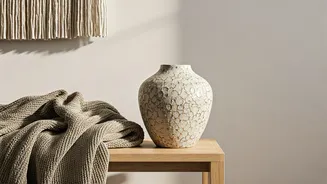
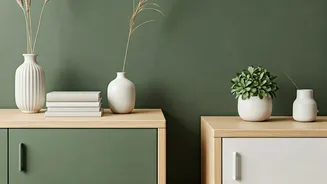
Mass-produced dinnerware is uniform. Hand-thrown pottery is alive. Placing a single, beautifully crafted ceramic vase on a clean-lined console table can transform the entire vignette. Look for pieces where you can almost see the artist's fingerprints in the glaze or feel the subtle asymmetry of the form. These objects aren't just vessels; they are small sculptures. A set of handmade mugs, each one slightly different from the next, brings a dose of humanity to your morning coffee ritual. The slight wobble, the unique drip of the glaze—these are the details that catch the light and the eye, breaking up monotonous surfaces with organic charm.
Wood with Soul and Story
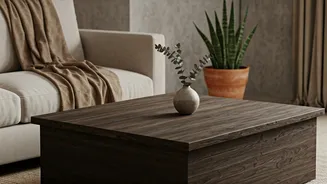
In a minimalist setting, every piece of furniture counts. Choosing wood with a visible grain, a live edge, or a hand-sanded finish adds a crucial layer of natural texture. A raw-edged acacia wood coffee table or a simple stool carved from a single block of timber brings the outside in, connecting the clean interior to the organic world. Unlike perfectly lacquered or laminated surfaces, these pieces show their history and their origins. The knots, whorls, and unique patterns in the grain tell a story of growth and time, adding a depth that flat, uniform materials simply cannot replicate. This connection to nature is inherently humanizing.
Art That Asks to Be Touched
Art in a minimalist home shouldn't just be a pop of color; it can be a source of texture. Move beyond flat prints and consider pieces with physical dimension. A large-scale fiber art installation made of woven rope or felted wool can soften an entire wall and absorb sound, making a room feel quieter and more intimate. Similarly, paintings with heavy impasto, where the paint is laid on so thickly it has a sculptural quality, invite closer inspection. Even a simple canvas treated with a textured medium like plaster or gesso can add subtle depth, playing with light and shadow throughout the day in a way a flat surface never could.
The Understated Power of Natural Stone
While often seen as a cold material, the right stone can add incredible warmth and texture. Instead of highly polished, reflective marble or granite, consider honed or tumbled versions. A honed travertine tray has a soft, matte finish that feels velvety to the touch. A piece of rough-hewn slate used as a coaster or a decorative object provides a rugged, elemental contrast to smooth walls and floors. These stones, with their natural fissures, fossils, and mineral variations, are records of geological time. They bring a sense of permanence and ancient history into a modern space, grounding it with an unshakeable, earthy presence.