





From Cup to Culture
Think of it as wine tasting in Napa, but for your morning brew. Instead of just sipping a finished product, you stay on a working farm—often called a *finca* in Latin America—and dive deep into the entire process. It’s a form of agritourism that connects
travelers directly to the source of one of the world's most beloved commodities. The appeal is multi-layered. For some, it’s about a deeper appreciation for the craft, understanding the labor and love that goes into a single cup. For others, it’s a desire for slower, more meaningful travel that supports local economies and offers an authentic cultural exchange. You don't just see the sights; you smell, taste, and touch them.
Colombia: The Classic Coffee Triangle
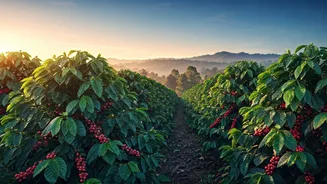
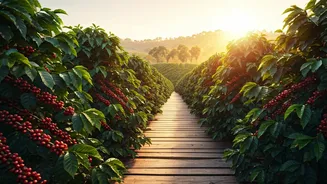
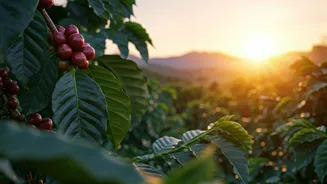
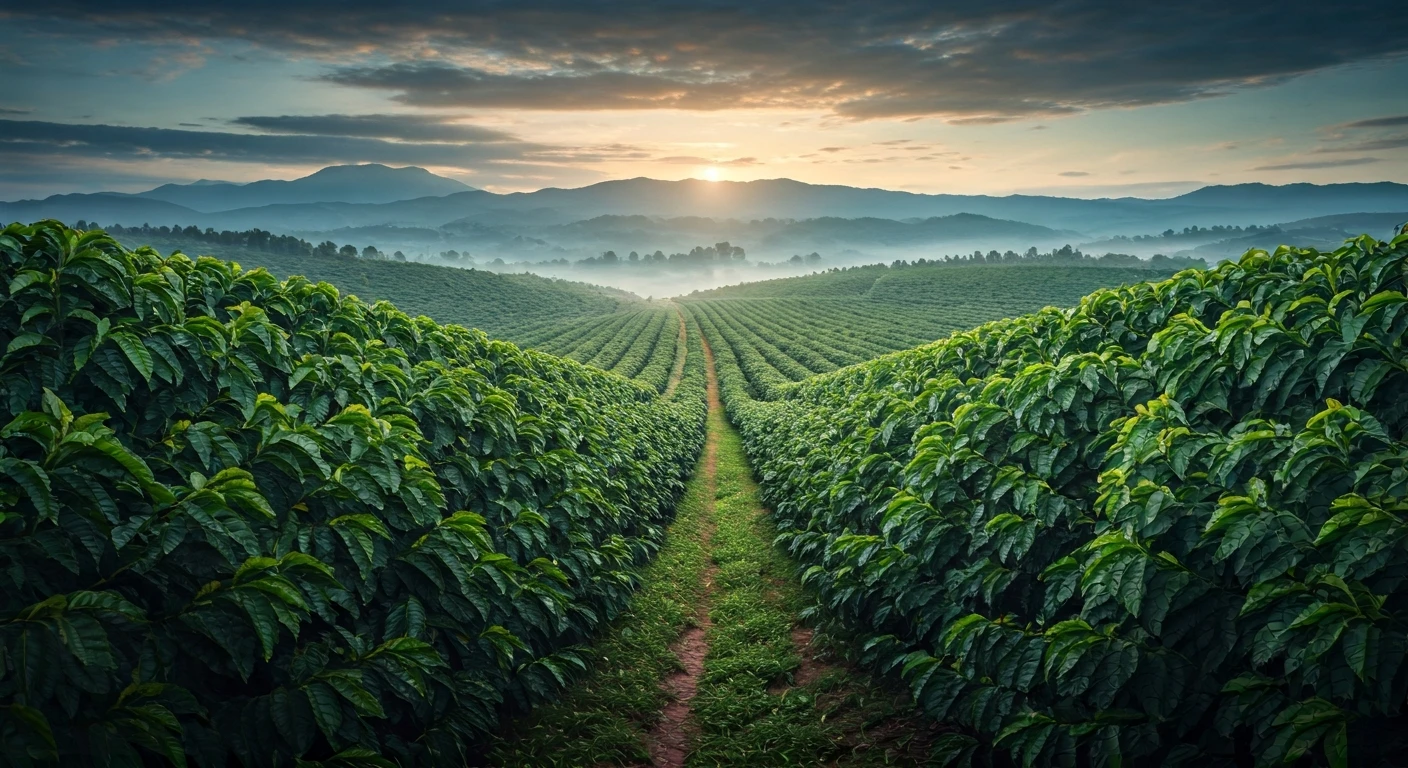
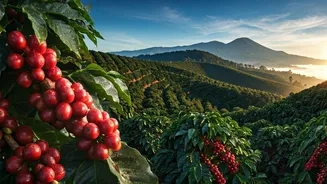
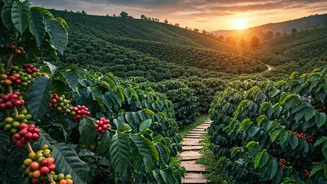
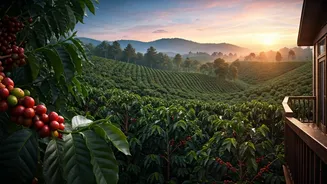
When you picture a coffee plantation, you’re likely imagining Colombia’s *Eje Cafetero* (Coffee Axis). This lush, mountainous region, a UNESCO World Heritage site, is the heartland of coffee tourism. Here, traditional family-owned farms have opened their doors, offering everything from rustic guesthouses to boutique eco-lodges. A typical day might involve waking up to the sound of tropical birds, joining a guided tour to learn how to pick the bright red coffee cherries, and participating in a “cupping” (a professional coffee tasting) to distinguish notes of citrus, chocolate, or caramel. Beyond the beans, the area is stunningly beautiful, home to the towering wax palms of the Cocora Valley and charming, colorful towns like Salento and Filandia. It’s the quintessential coffee vacation, perfect for first-timers.
Costa Rica: Sustainability and Pura Vida
If your travel style leans toward eco-consciousness, Costa Rica is your spot. The country has built its reputation on sustainability, and its coffee farms are no exception. Many estates in the Central Valley and the high-altitude regions of Tarrazú are leaders in organic and shade-grown farming practices. A stay here often combines coffee education with the nation's other famous draw: nature. You can spend your morning learning about the delicate ecosystem required for high-quality Arabica beans and your afternoon zip-lining through a cloud forest or hiking to a volcanic crater. Accommodations often double as wildlife sanctuaries, where you're as likely to spot a toucan as you are a coffee plant. It’s an experience that satisfies both the coffee nerd and the adventure seeker.
Hawaii: America's Own Coffee Paradise
You don't need a passport to experience a world-class coffee estate. The Big Island of Hawaii is home to the Kona coffee belt, a small but prestigious growing region on the slopes of the Hualalai and Mauna Loa volcanoes. The rich volcanic soil and unique microclimate create a smooth, low-acidity bean prized by connoisseurs. Dozens of small, family-run farms offer tours, tastings, and on-site stays. This is the perfect option for U.S. travelers seeking a tropical, bean-focused escape without the complexities of international travel. You can spend a week exploring the beautiful Kona coast, learning about the history of coffee in America, and sipping some of the world's most expensive brews right at the source.
Beyond the Usual: Southeast Asia's Emerging Scene
While Latin America dominates the coffee tourism landscape, don’t overlook Southeast Asia. Countries like Vietnam and Thailand are developing their own unique coffee travel experiences. In Vietnam, the second-largest coffee producer in the world, you can explore the Central Highlands around Da Lat. Here, the focus is on Robusta beans, which yield a stronger, bolder flavor—the backbone of the famous Vietnamese iced coffee (*cà phê sữa đá*). In Northern Thailand, around Chiang Mai and Chiang Rai, former opium-growing regions have been transformed into sustainable coffee farms as part of royal development projects. A visit here offers a powerful story of community transformation, paired with a burgeoning specialty coffee scene that blends perfectly with the region’s incredible food and culture.