




Embrace the Rhythm, Not the Rush
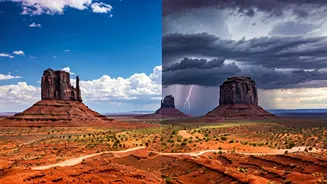
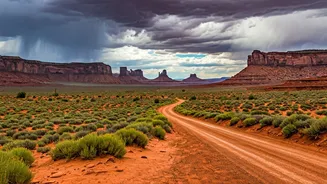
Most travelers view a rainy forecast as a threat, a vacation-wrecker to be avoided at all costs. But in monsoon-prone destinations—from the American Southwest in late summer to Southeast Asia—the rain is a predictable, almost scheduled event. Instead
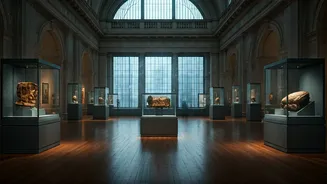
of fighting it, build your days around it. This is the core principle of successful monsoon travel: plan for the deluge. Mornings might be for a hike or exploring a market when the air is fresh and the sun is out. But the afternoon? That belongs to the museum. Forget the feeling of being “trapped” indoors. When you plan for it, a museum stop becomes a deliberate, central part of the experience, not a last-ditch backup plan. It transforms the day from a race against the weather into a balanced itinerary of outdoor adventure and indoor contemplation.
The Perfect Sensory Contrast
There’s a unique magic to being inside a quiet, climate-controlled gallery while a torrential downpour rages outside. It’s a study in contrasts. Outside, the world is a wash of gray, with sheets of rain drumming on rooftops and flooding the streets. Inside, you’re in a space dedicated to clarity, preservation, and quiet reflection. The muffled sound of the storm becomes a soothing soundtrack to your browsing. This is especially true in destinations where the heat and humidity can be oppressive. Stepping from a sticky, chaotic street into the cool, still air of a museum is a physical relief that enhances the psychological one. You can focus on the art or the artifacts with a clear head, your senses heightened by the dramatic difference between the world you just left and the sanctuary you’ve entered. The experience turns the weather from an antagonist into an atmospheric co-star.
A Deeper, Quieter Connection
Peak tourist season often means peak crowds. You’re jostling for a view of a famous painting or straining to read a placard over a dozen other heads. Monsoon season, by its very nature, is often the off-season. Fewer travelers are willing to risk the rain, which means the ones who do are rewarded with emptier halls and more personal space. This is your chance to actually spend time with the culture you came to see. You can stand before a piece of art for ten minutes without being nudged along. You can fall into conversation with a docent who isn't overwhelmed. By slowing down, you absorb more. The museum visit becomes less about checking items off a list and more about genuine engagement with a place’s history, creativity, and soul. It’s an opportunity for the kind of deep, unhurried cultural immersion that is nearly impossible to find during the high-season crush.
Where to Find Your Sanctuary
This strategy works globally. During the summer monsoon in the American Southwest, the afternoon storms that roll over Santa Fe are the perfect excuse to explore the Georgia O'Keeffe Museum or the Museum of Indian Arts & Culture. As the smell of rain on desert creosote fills the air, you can be lost in the region’s artistic heritage. In Phoenix, the Heard Museum offers a world-class collection of Native American art, a cool and calming refuge from the dramatic desert heat and storms. Farther afield, in a city like Bangkok, the daily afternoon downpour provides the ideal window to visit the Jim Thompson House, a serene oasis of traditional Thai architecture and art. Instead of getting caught in a flash flood while navigating the markets, you’re peacefully admiring silks and artifacts. The key is to look for museums that offer a strong sense of place, deepening your understanding of the local environment and culture while the weather does its thing outside.