



What Exactly Are ‘Functional Foods’?
In the U.S., the term “functional food” might conjure images of probiotic yogurts, vitamin-D fortified orange juice, or fiber-packed cereals. In India, the concept is similar but rooted in a much deeper, more traditional wellspring. We're talking about
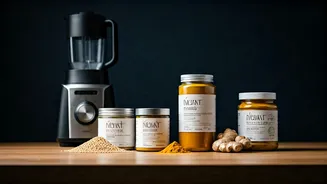
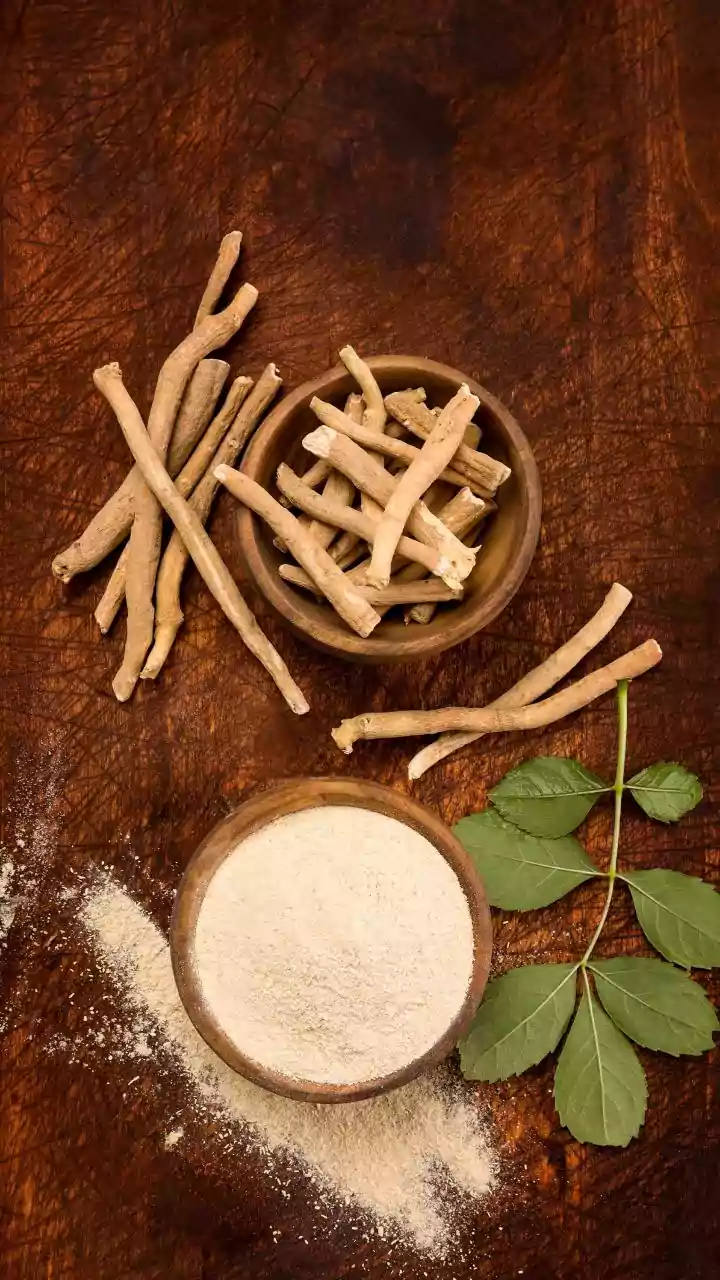
products that go beyond basic nutrition to offer specific health benefits, often by leveraging ingredients from Ayurvedic medicine. Think less about lab-created additives and more about nature-derived powerhouses. The Indian grocery aisle is increasingly stocked with things like ready-to-drink turmeric lattes, snack bars fortified with ashwagandha (an adaptogen used to combat stress), amla (Indian gooseberry) juices promising an immunity boost, and breakfast cereals made from ancient grains like millet and ragi. It’s the convergence of convenience and tradition: the wisdom of a grandmother’s remedies, now packaged for a busy, modern life.
The Perfect Storm for a Wellness Boom
So, why is this happening now? Several factors have created a perfect storm. First is the rapid expansion of India’s urban middle class. With more disposable income, consumers are willing to pay a premium for products that promise better health and preventative care. This financial shift is coupled with increased internet penetration and social media exposure, which have made consumers more aware of and discerning about health trends, both global and domestic. The COVID-19 pandemic acted as a massive accelerator. The crisis starkly highlighted the importance of immunity and overall well-being, pushing preventative health from a niche interest into a mainstream priority. Suddenly, foods that could boost the body’s natural defenses weren’t just a good idea—they felt essential.
Ayurveda Gets a Rebrand
Perhaps the most fascinating part of this trend is the rebranding of Ayurveda. For centuries, Ayurvedic principles—a holistic system of medicine with historical roots in the Indian subcontinent—were passed down through families. Its ingredients, like turmeric, ginger, ashwagandha, and brahmi, were staples in home remedies. But today’s startups and food giants are marketing this ancient wisdom in slick, consumer-friendly packaging. They are transforming traditional knowledge into aspirational lifestyle products. It’s no longer just about health; it’s about a modern Indian identity that is proud of its heritage. A protein bar with Ayurvedic herbs isn’t just a snack; it's a statement that one can be globally connected while staying true to one's roots.
A Multi-Billion Dollar Appetite
This isn't just a cultural moment; it's big business. The Indian nutraceutical and functional food market is valued in the billions of dollars and is projected to experience robust double-digit growth over the next decade. Homegrown startups are attracting significant venture capital, launching innovative products that are capturing the imagination of young, health-conscious consumers. But it’s not just a startup game. Global food conglomerates like Nestlé, Danone, and Unilever have taken notice, either acquiring local brands or launching their own lines of functional products tailored to the Indian palate. They see a market that is not only massive but also has a unique appreciation for food-as-medicine, creating an opportunity that’s hard to ignore.