
1. Understand the 'Why': The Biophilic Boost
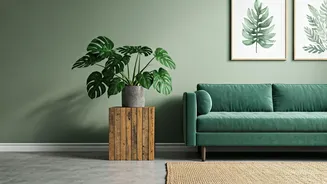
This trend isn't just about aesthetics; it's rooted in the concept of biophilia—our innate human desire to connect with nature. In a world saturated with screens and synthetic materials, bringing natural elements indoors answers a deep-seated need. Stone
provides a sense of permanence, stability, and ancient calm. Think of the solid feel of a river rock or the cool surface of a marble countertop. Greenery, on the other hand, represents life, growth, and vitality. Together, they create a balanced ecosystem in miniature, reducing stress and fostering a tranquil atmosphere. It’s a design choice that feels as good as it looks.
2. Choose Your Stone Wisely
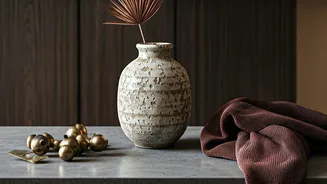
Not all stone is created equal, and the type you choose will set the tone for your space. For a touch of timeless luxury, you can’t go wrong with marble or quartzite, with their dramatic veining that acts as natural art. If you’re leaning toward a warmer, more rustic or Mediterranean feel, consider travertine or limestone. Their porous, matte finishes offer a softer, earthier vibe. For a modern, industrial edge, polished concrete or dark slate provides a bold, minimalist backdrop that makes green foliage pop. You don’t need a full slab wall; start with accents like a stone coffee table, a set of marble coasters, or even a simple stone-look vase.
3. Pick the Perfect Plant Partner
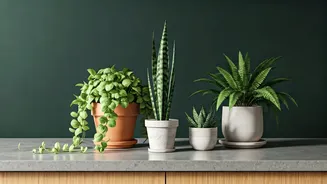
The key to pairing plants with stone is contrast in form and texture. If you have a large, monolithic stone element like a fireplace or accent wall, pair it with a plant that has soft, feathery fronds, like a parlor palm or a fern, to soften the look. For a sleek marble table, a plant with a strong architectural shape, like a snake plant or a ZZ plant, creates a striking modern silhouette. Don’t be afraid to think vertically. A trailing pothos or string of pearls cascading from a shelf above a stone counter adds dynamic movement and draws the eye upward.
4. Master the Art of Balance
The magic of this duo lies in harmony, not competition. If one element overwhelms the other, the effect is lost. A good rule of thumb is to follow the 80/20 principle in a given vignette. For example, a large stone coffee table (80%) can be perfectly balanced by a small, sculptural plant in a simple pot (20%). Conversely, a lush indoor tree like a fiddle-leaf fig (80%) can be grounded by placing it in a substantial stone or concrete planter (20%). This prevents the space from feeling either too much like a cold quarry or an overgrown jungle. It’s about creating a conversation between the two elements.
5. Start Small and Think in Layers
You don't need a major renovation to embrace this trend. The easiest and most affordable entry point is through accessories. Start with a small marble tray on your entryway console and place a small potted succulent or air plant on it. Find a set of stone bookends and nestle a small vase with a single monstera leaf between them. Group a few small planters of varying materials—one terracotta, one ceramic, one stone—to create a textured collection of greenery. The goal is to layer these elements throughout your space, creating small moments of natural beauty that, together, build a cohesive and calming environment.