



From Rustic to Refined
For decades, the implied contract of wildlife travel was simple: you sacrificed creature comforts for incredible animal encounters. A bumpy ride in a dusty jeep or a chilly night in a basic cabin was the price of admission for seeing a lion at dawn or a whale
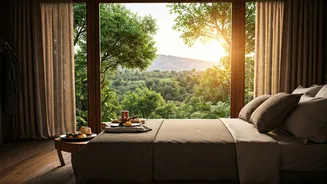
breaching in a remote fjord. That contract is being rewritten. The new wave of wildlife travel is decidedly 'polished.' This isn't just about a more comfortable mattress; it's a holistic upgrade. We're talking about architect-designed lodges, curated culinary programs, sophisticated wellness offerings, and impeccable, personalized service in some of the most remote corners of the planet. The focus is shifting from merely observing nature to being immersed in it with a level of style and ease previously reserved for urban boutique hotels.
The Safari Lodge Glow-Up
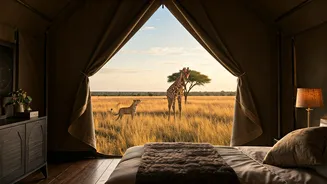
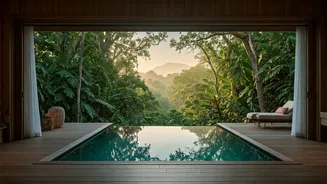
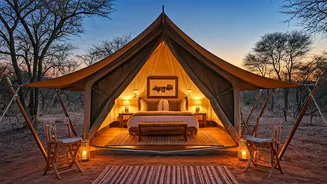
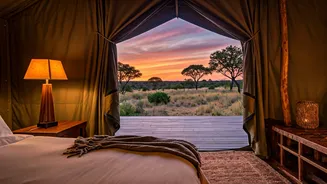
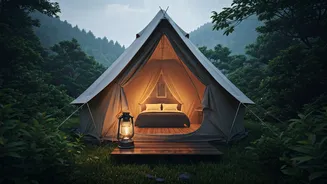
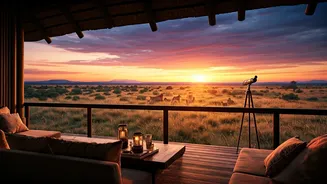
Nowhere is this trend more visible than in the world of African safaris. The classic canvas tent has been reimagined as a palatial suite with hardwood floors, a four-poster bed, and a private plunge pool overlooking a watering hole. Luxury operators like Singita and andBeyond are setting the standard with properties that feel more like exclusive art galleries or tranquil wellness retreats. At these lodges, a game drive might end with a surprise 'bush dinner' complete with white linens, silverware, and a chef-prepared meal under the stars. Afternoons can be spent getting a massage in an open-air spa, followed by a wine tasting led by an on-site sommelier. It's a far cry from the utilitarian camps of the past, designed to attract a traveler who appreciates both a leopard sighting and a perfectly crafted Negroni.
Beyond the Savannah
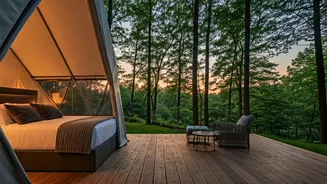
This polishing trend extends far beyond Africa. Expedition cruising, once the domain of hardy explorers on repurposed research vessels, is booming with new, purpose-built ships that are essentially floating luxury hotels. Companies like Lindblad Expeditions-National Geographic and Quark Expeditions now offer journeys to Antarctica and the Galápagos on vessels equipped with spas, floor-to-ceiling windows in every cabin, and multiple fine-dining venues. Onboard, passengers might find advanced amenities like remotely operated underwater vehicles to explore the seabed or helicopters for 'flight-seeing' over polar ice caps. Even land-based wildlife viewing in places like the American West is getting an upgrade, with 'glamping' resorts offering safari-style tents with en-suite bathrooms, king-sized beds, and gourmet, locally sourced meals.
What's Driving the Demand?
Several factors are fueling this shift. First is the evolution of the luxury consumer. Today's high-end traveler prioritizes unique, transformative experiences over material goods, but they aren't willing to sacrifice comfort. They want the story of tracking gorillas through a jungle, but they also want a hot shower and a cold glass of champagne at the end of the day. The post-pandemic travel boom has amplified this, with many people looking to take that once-in-a-lifetime trip and willing to pay a premium for it. Furthermore, travel operators have realized that a higher price point can better support crucial conservation and community initiatives. Many of these top-tier lodges and tours invest significantly in anti-poaching units, habitat restoration, and local employment, framing luxury as a tool for sustainable, impactful tourism.