




So, What Exactly Is 'Functional'?
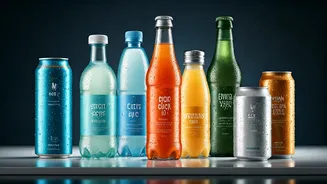
At its core, a 'functional' drink is any non-alcoholic beverage formulated with ingredients that claim to provide a health benefit beyond basic hydration or nutrition. Think of it as a drink with a job to do. While orange juice has vitamin C and coffee
has caffeine, functional beverages are intentionally engineered with a specific purpose in mind. They aren’t just a source of calories or vitamins; they're designed to enhance your physical or mental state. This category is incredibly broad, encompassing everything from kombucha packed with probiotics for gut health to sparkling waters infused with adaptogens to help you de-stress. The common thread is the promise that by sipping one, you’re actively doing something good for your body or mind, turning a simple refreshment into an act of self-care.
Why Is Everyone Drinking Them?
The explosive growth of functional drinks isn't accidental. It’s a perfect storm of several major cultural shifts. First, there's the broader wellness movement. More Americans are proactive about their health, viewing food and drink as tools for optimization. Second, the “sober curious” trend has people seeking sophisticated, non-alcoholic options for social situations that feel more special than a club soda with lime. Functional beverages, with their complex flavor profiles and purported mood-enhancing effects, fill that void perfectly. Finally, there's a growing disillusionment with traditional soft drinks. As consumers become more aware of the negative health impacts of sugar, they are actively looking for alternatives that don't feel like a compromise. A drink that tastes good *and* promises to sharpen your focus or ease your anxiety is an incredibly compelling proposition in today's high-stress world.
Decoding the Buzzwords
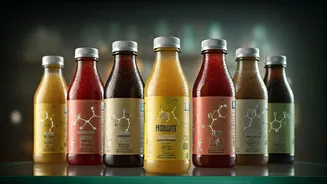
The labels on these drinks can read like a biology textbook. Here’s a quick guide to the most common ingredients: Nootropics: Often called 'smart drugs' or 'cognitive enhancers,' these are compounds that claim to support brain function. A popular one is L-theanine, an amino acid found in green tea known for promoting a state of 'calm-alertness.' Others include Lion's Mane mushroom and Citicoline, which are studied for their potential roles in memory and focus. The effects are typically subtle, not the lightning-bolt of clarity seen in movies. Adaptogens: These are herbs and mushrooms believed to help your body handle stress. Ingredients like Ashwagandha, Rhodiola Rosea, and Holy Basil have been used for centuries in traditional medicine. The theory is that they help regulate your body's stress response system, preventing it from going into overdrive. They won’t magically erase your deadlines, but they might help you feel more resilient while you meet them. Prebiotics & Probiotics: This is the gut-health category. Probiotics are live beneficial bacteria, often found in fermented drinks like kombucha and kefir. Prebiotics, on the other hand, are types of fiber (like inulin) that act as food for those good bacteria. A healthy gut microbiome is linked to everything from digestion to mood, making these drinks a popular choice.
How to Be a Smart Sipper
With a market this hot, it's easy to get overwhelmed or fall for clever marketing. First and foremost, turn the can around and read the label. Many drinks that boast healthy ingredients are also loaded with sugar or artificial sweeteners, which can negate the benefits. Second, manage your expectations. These beverages are supplements, not pharmaceuticals. Their effects are generally mild and can vary greatly from person to person. They are not a replacement for a healthy diet, good sleep, or regular exercise. Finally, be wary of any brand that makes miracle claims. A drink is not going to cure your anxiety or give you a super-brain. The best functional beverages are those that are transparent about their ingredients, keep sugar low, and position themselves as one small, helpful part of a balanced lifestyle.