


From Chow to Chef-Inspired
Not long ago, feeding your dog or cat was simple. You bought a giant bag of dry food, scooped it into a bowl, and called it a day. That world is rapidly vanishing. Today, pet owners are confronted with a dizzying array of choices: freeze-dried raw patties,
gently-cooked fresh meals delivered to their door, limited-ingredient diets for sensitive stomachs, and even sustainable insect-protein kibble. This is the new reality of pet nutrition, where "basic" is being replaced by "boutique." The language on the packaging mirrors our own food trends, boasting terms like “grain-free,” “human-grade,” “superfoods,” and “farm-to-bowl.” This isn't just about feeding an animal anymore; it's about curating a wellness lifestyle for a cherished member of the family.
The 'Humanization' of Our Pets
So, what's driving this change? The answer is simple: we see our pets differently now. The industry term is “humanization,” but for most owners, it just means their dog or cat is family. Millennials and Gen Z, in particular, often treat their pets as their first “children,” lavishing them with the same care and concern they would a human toddler. This emotional shift has profound commercial consequences. If you’re committed to eating clean, organic, non-GMO food yourself, it feels natural to want the same for your furry companion. The boutique pet food market is a direct reflection of human wellness trends. As soon as paleo, keto, and gluten-free diets became popular among people, parallel versions started appearing for pets. We project our own health anxieties and nutritional aspirations onto our animals, and companies are more than happy to provide a product to match.
Decoding the Boutique Options
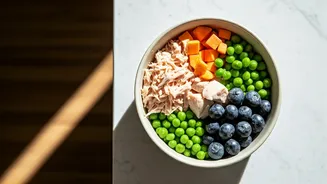
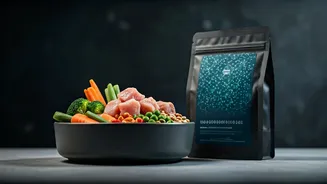
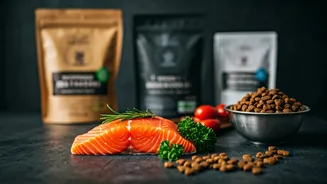
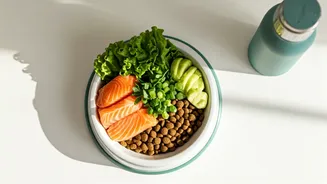
The term “boutique” covers a wide landscape of modern pet food. The most visible segment is fresh-cooked food, sold by subscription services that deliver pre-portioned, refrigerated meals tailored to a pet’s specific needs. Then there’s the raw food movement, whose proponents advocate for diets of uncooked meat, bones, and organs, arguing it’s more biologically appropriate. A less extreme but hugely popular category is the “limited-ingredient diet” (LID), designed for pets with suspected food allergies or sensitivities, often eliminating common proteins like chicken or grains like corn and wheat. Finally, there are premium kibbles that, while still dry, are formulated with novel proteins (like venison or duck), high-end supplements (like salmon oil and probiotics), and a marketing story focused on pristine sourcing.
What Do the Experts Say?
While a beautiful label and fresh ingredients are appealing, veterinarians and board-certified veterinary nutritionists urge caution and critical thinking. Their primary concern is nutritional completeness. A diet, no matter how fresh or artisanal, can do more harm than good if it isn't properly balanced for a pet's life stage and health status. They advise owners to look for a nutritional adequacy statement from the Association of American Feed Control Officials (AAFCO) on the packaging. This indicates the food is formulated to meet established nutrient profiles. Furthermore, the rise of grain-free diets led the FDA to investigate a potential link between these foods and a serious heart condition in dogs called dilated cardiomyopathy (DCM). While the connection is still being studied, it serves as a powerful reminder that well-intentioned dietary trends can have unintended consequences. The expert consensus isn't anti-boutique, but pro-evidence. They encourage owners to question marketing claims and prioritize formulas backed by scientific research and feeding trials.