


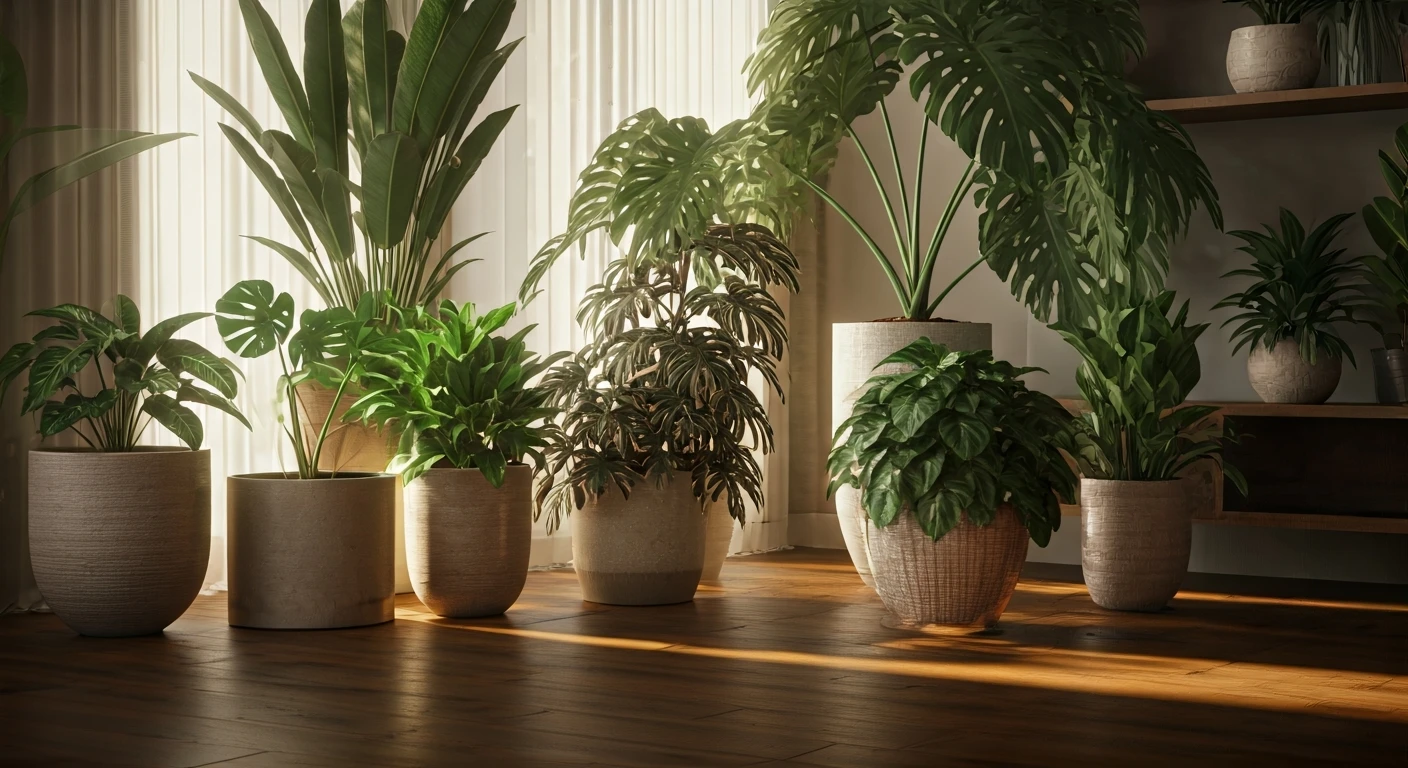
The Living Room-Office-Guest Room
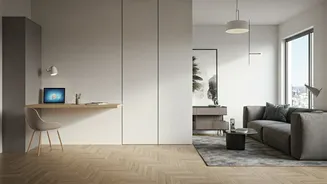
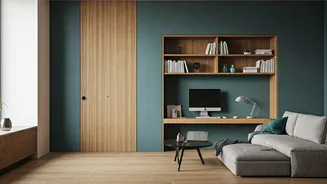
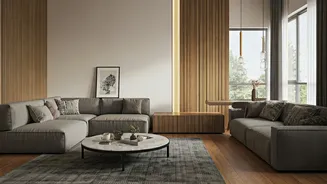
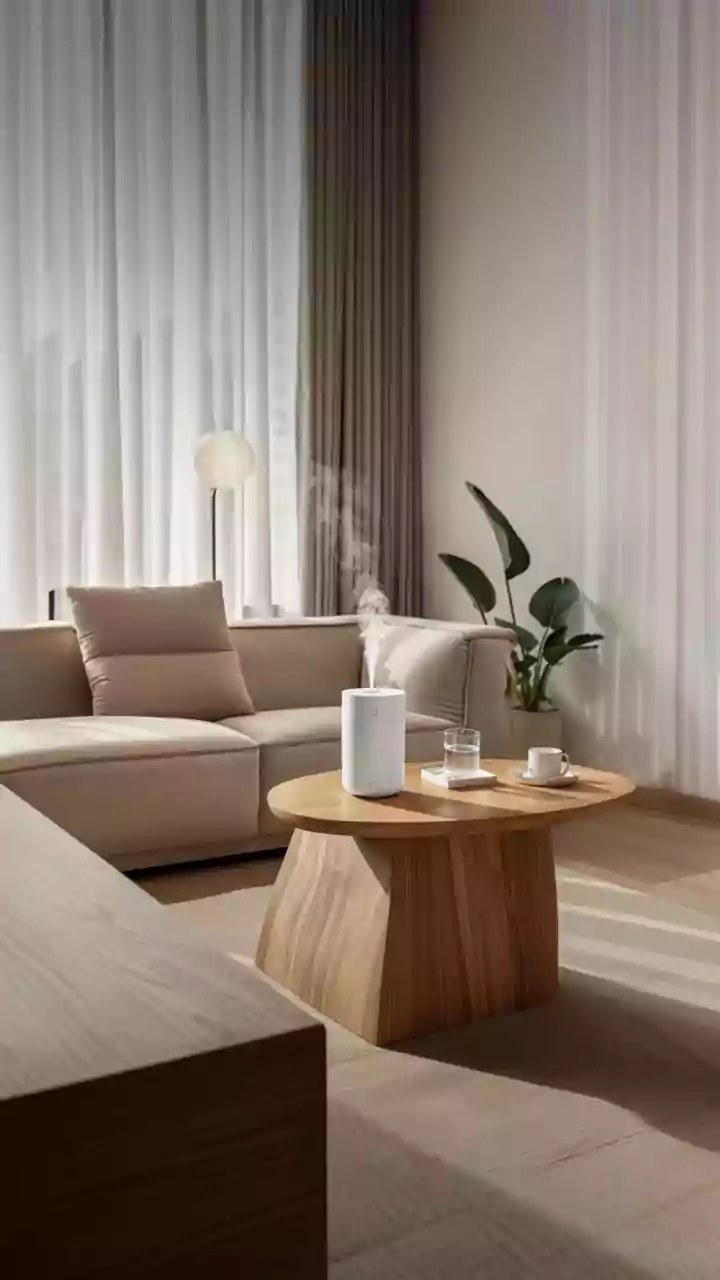
The days of a living room existing only for evening relaxation are over. In modern Indian apartments, this space is the ultimate multitasker. During the day, it's a home office, centered not around a clunky desk but perhaps a sleek console table that
doubles as a workspace. Custom joinery is king here; think wall units that cleverly conceal a fold-down desk, complete with integrated power outlets and task lighting. By evening, the laptop is stowed, and the space reverts to a family lounge. When guests stay over, the high-quality sofa bed—chosen for its mattress comfort as much as its daytime aesthetics—transforms the room again. The key is investing in furniture that doesn’t scream “convertible.” It’s about elegant, dual-purpose pieces that feel intentional in every configuration, ensuring the room never feels compromised.
Zoning Without Walls
How do you create the feeling of separate rooms within one open-plan area? Indian designers have perfected the art of “soft zoning.” Instead of building walls, they use visual cues to delineate space. A large, patterned rug can anchor a seating area, visually separating it from a dining nook just a few feet away. A strategically placed open-backed bookshelf or a decorative screen can create a sense of entry for a workspace without blocking light. Lighting is another powerful tool. A warm, low-hanging pendant light might define the dining spot, while focused, adjustable track lighting serves the work zone. This approach maintains an airy, open feel while giving each activity its own psychological footprint, a crucial trick for making a small home feel both spacious and orderly.
The Reinvented Balcony
The humble balcony, once a space for drying clothes or storing miscellaneous items, is getting a major upgrade. In space-starved Indian cities, this sliver of outdoor real estate is being reclaimed as a vital extension of the living area. It’s becoming a serene coffee spot with a chic bistro set, a yoga corner with rolled-up mats, or a thriving vertical garden that brings nature indoors. Weather-resistant furniture, clever container gardening, and good outdoor lighting can transform it into a functional “room” with a purpose. For those working from home, it’s a priceless escape—a place to take a call or decompress without leaving the apartment. This mindful use of transitional space adds square footage not just physically, but experientially.
Heirloom-Worthy Transforming Furniture
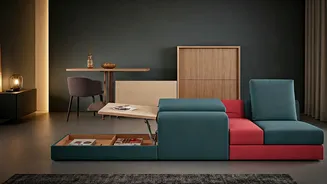
The new wave of multitasking furniture in India is a far cry from the wobbly futons of the past. There's a growing demand for beautifully engineered, durable pieces that are designed to last. Think solid wood dining tables that ingeniously fold away to become slim consoles, or coffee tables that rise and expand to become comfortable dining surfaces for six. Murphy beds are being integrated into stunning, floor-to-ceiling cabinetry that also houses wardrobes and display shelves. This isn't just about saving space; it's about investing in craftsmanship. These pieces are seen as modern heirlooms—smart, adaptable, and built to withstand the rigors of daily transformation, reflecting a cultural appreciation for things that are both beautiful and built to endure.
The Sacred Space, Reimagined
In many Indian households, a space for prayer or meditation (the pooja) is non-negotiable. But with dedicated rooms becoming a rarity, designers are finding graceful ways to integrate this spiritual need into multipurpose areas. This might take the form of an elegant niche carved into a living room wall unit, which can be concealed behind decorative doors when not in use. Sometimes, it’s a beautifully crafted, freestanding cabinet that opens up to reveal a small altar. The principle is broadly applicable: every home has non-negotiable needs, whether it’s a meditation corner, a hobby station, or a quiet reading nook. By thoughtfully designing a dedicated, convertible spot for these personal rituals, a room can successfully cater to both the shared and the sacred.