

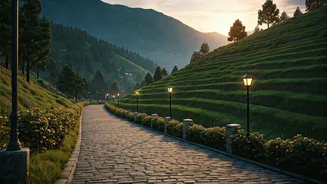
Embrace the Monsoon Mist
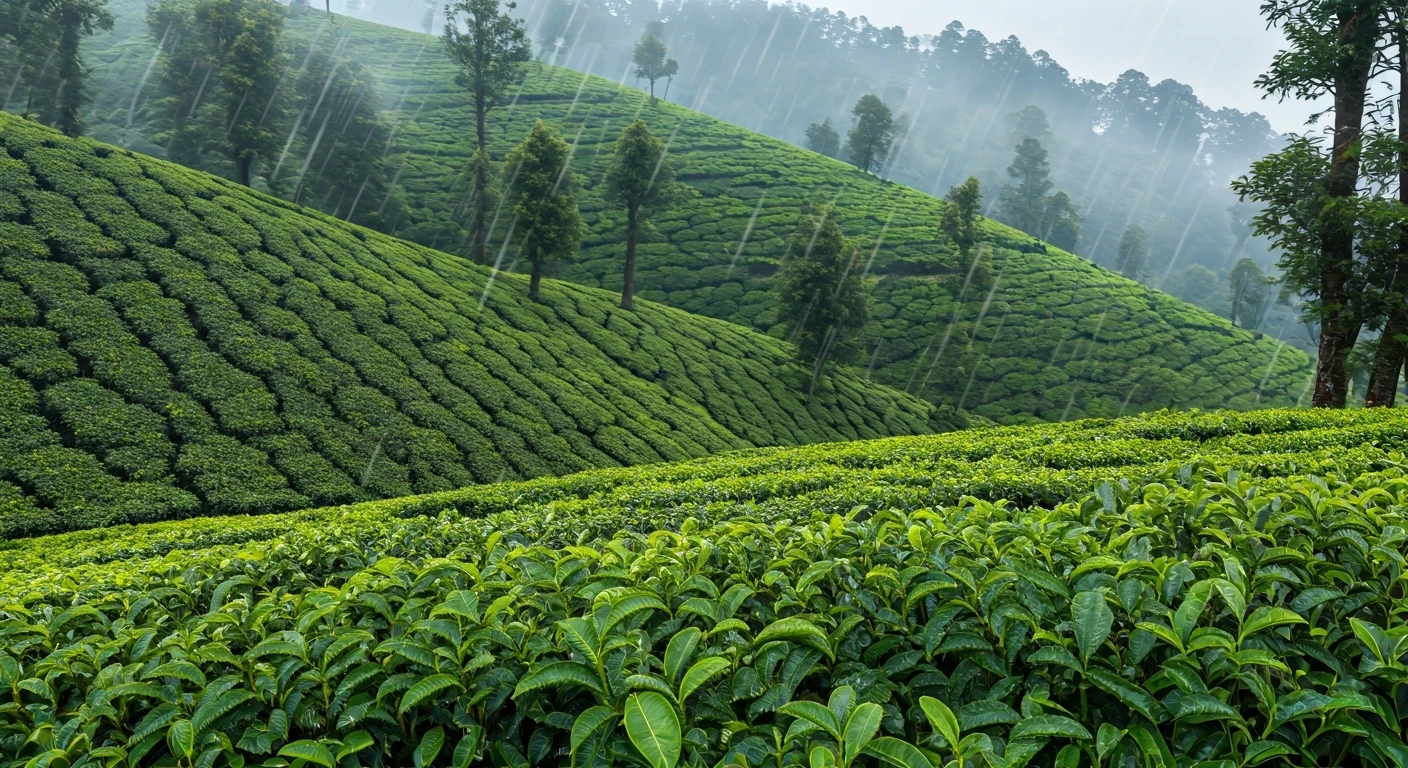
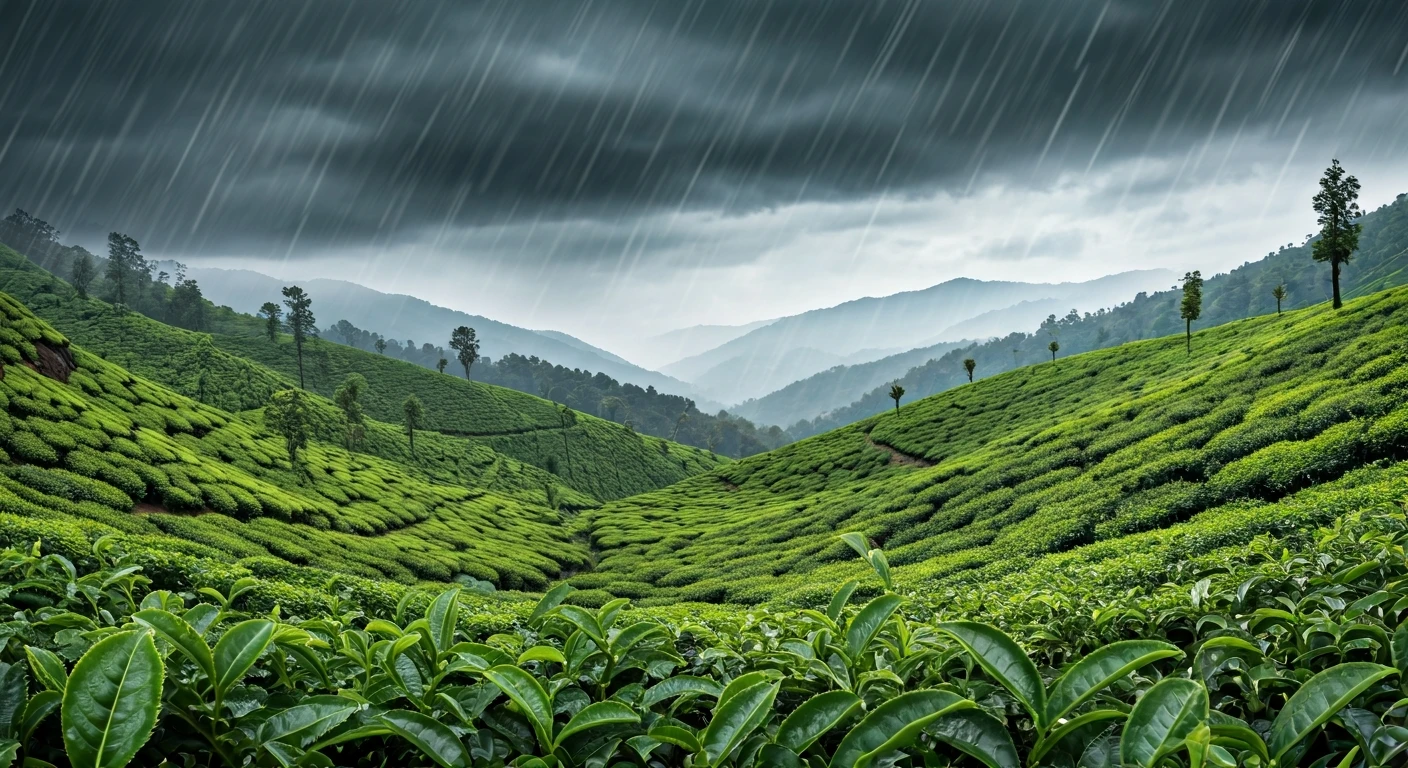
Let’s address the elephant in the room: June is the start of monsoon season in Darjeeling. While many travel guides might steer you away, this is precisely what makes it a 'soft' escape. The rain is rarely a non-stop torrential downpour; more often, it’s
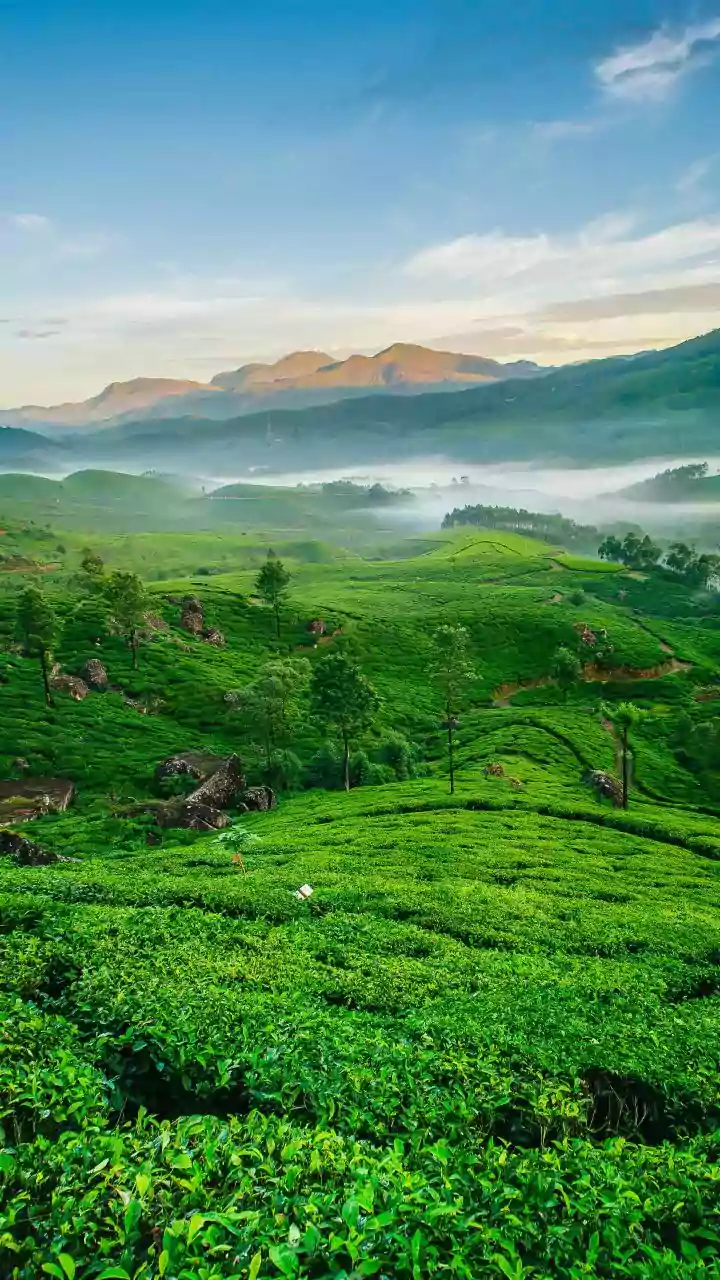
a gentle drizzle or a passing shower that washes the world clean. The famed Himalayan peaks play peekaboo behind rolling banks of mist, transforming the landscape into a living watercolor painting. The crowds of peak season have thinned, leaving behind a tranquil atmosphere perfect for introspection. The air is cool and crisp, a welcome respite from the oppressive heat engulfing much of the Northern Hemisphere. This isn't a trip for sun-worshippers, but for those who find beauty in moody skies, lush greenery, and the cozy feeling of being tucked away from the world.
The Sacred Ritual of Tea
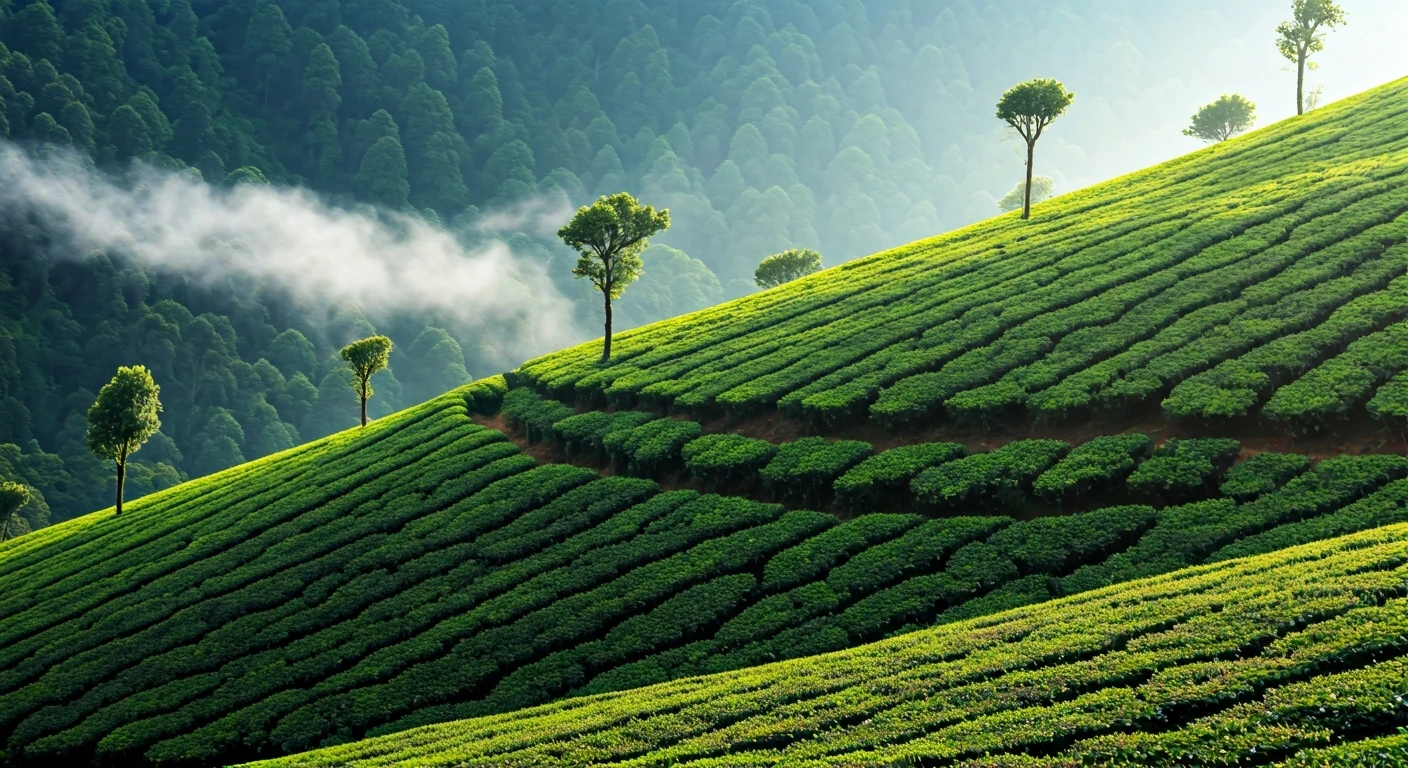
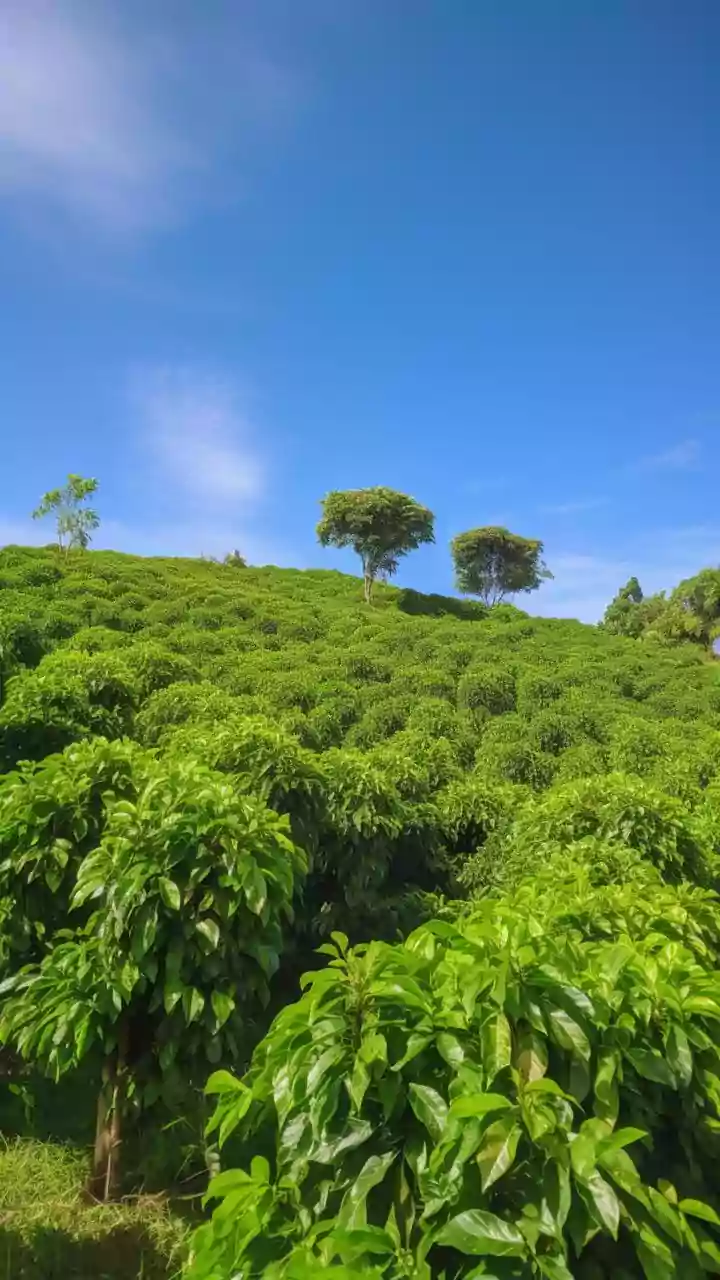
You cannot think of Darjeeling without thinking of tea, and a June visit offers an unparalleled experience. The second flush, harvested from late May through June, is considered by many connoisseurs to be the 'muscatel' treasure, producing the most aromatic and complex cups of the year. Visiting a tea estate like Glenburn or Makaibari becomes a multi-sensory journey. You can walk through the vibrant green fields, watch the meticulous process of withering and rolling the leaves, and, of course, participate in a tasting. There is a unique comfort in sitting on the veranda of a colonial-era bungalow, a warm cup of the world's finest tea in your hands, as a soft rain patters on the roof and mist drifts through the valleys below. It’s a moment of pure, unadulterated calm.
A Journey on the Toy Train
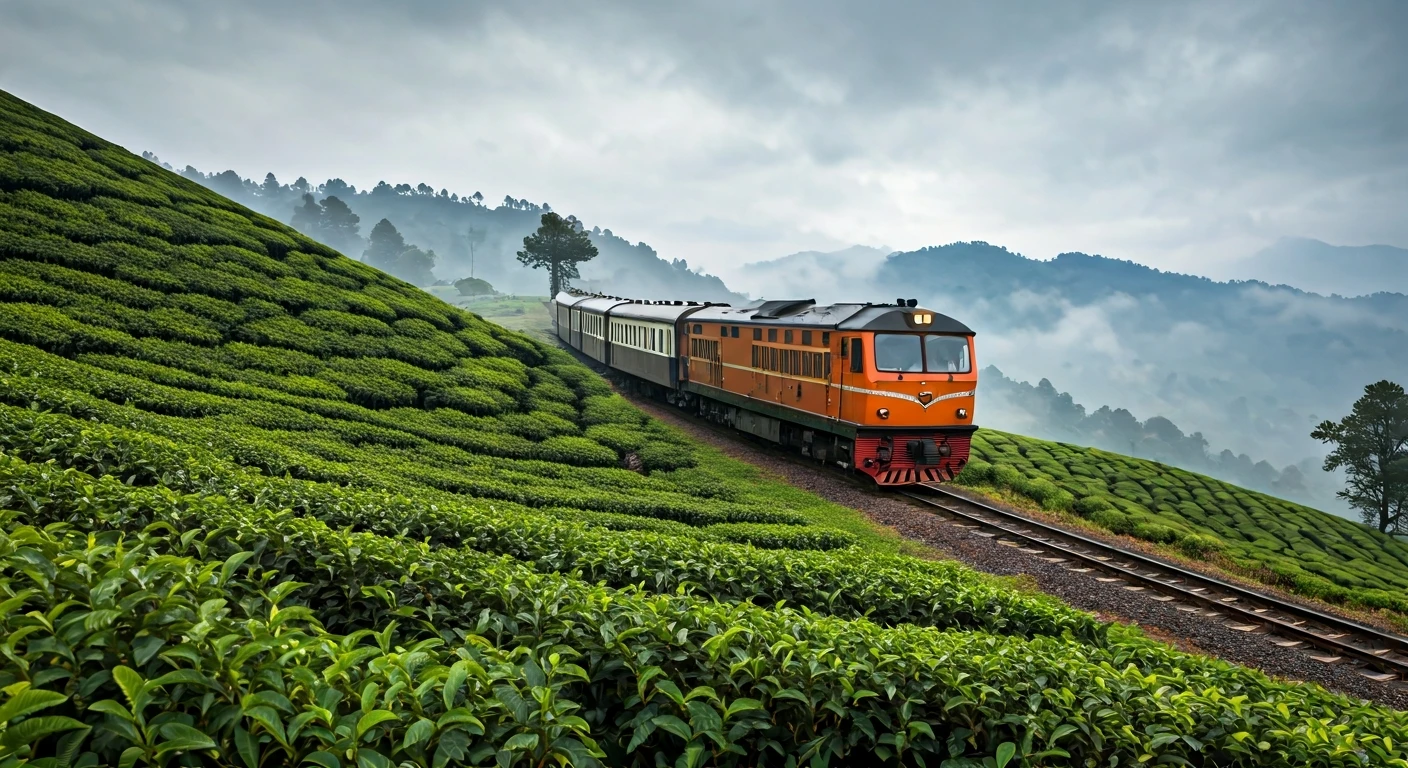
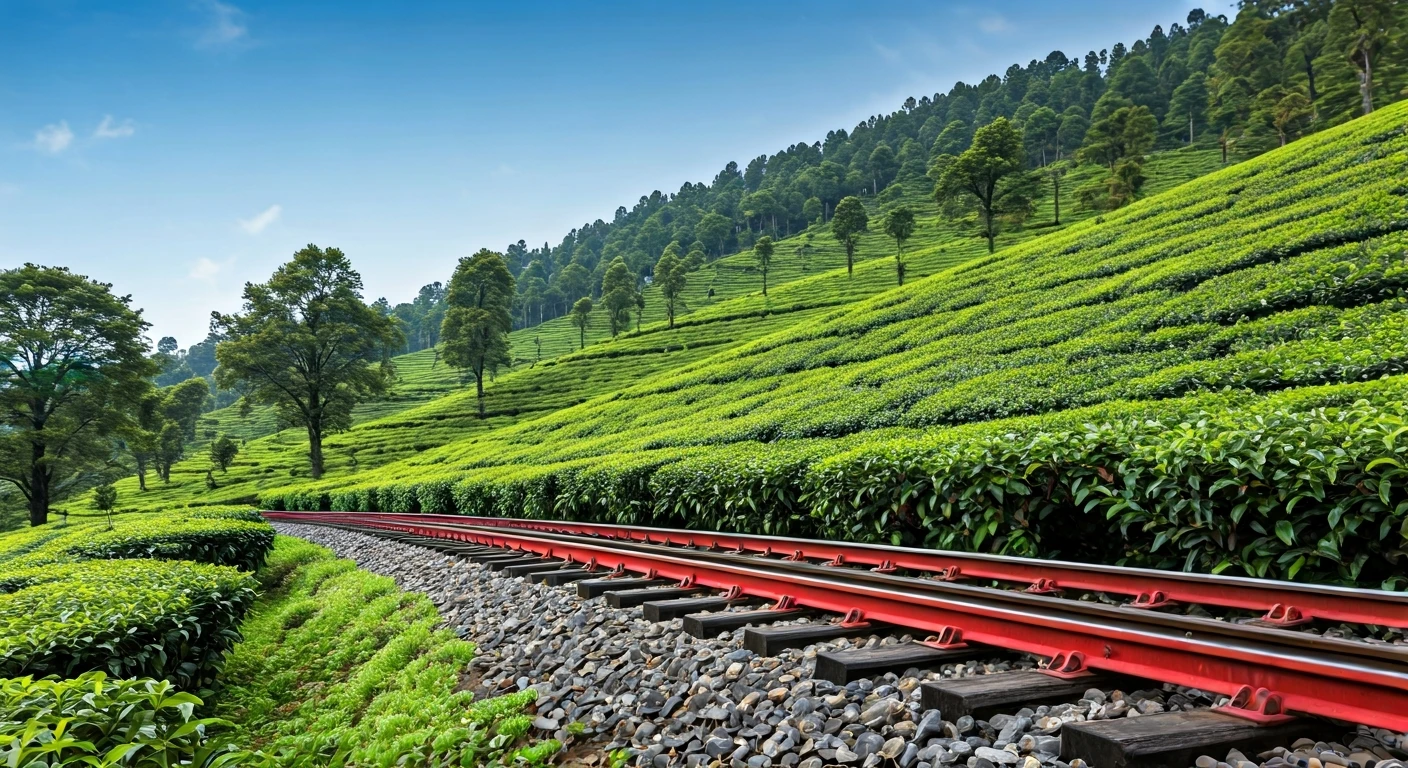
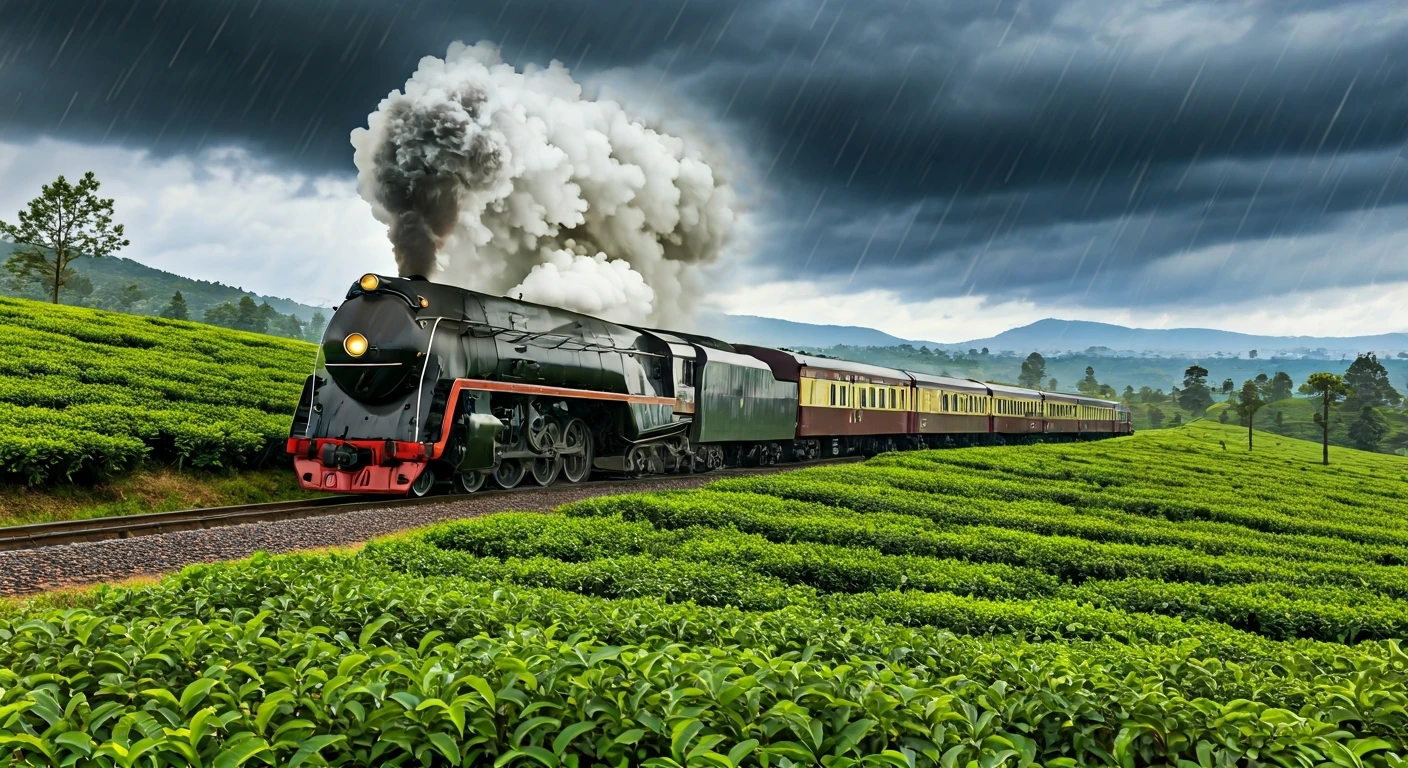
The Darjeeling Himalayan Railway, a UNESCO World Heritage site affectionately known as the 'Toy Train,' is a journey back in time. This narrow-gauge steam engine chugs along at a delightfully slow pace, navigating sharp curves and steep gradients through the mountains. In June, the journey is especially magical. The train moves through tunnels of mist and past hillsides bursting with verdant foliage and wildflowers. It’s not a mode of transport for those in a hurry; it is the destination itself. The rhythmic clatter of the wheels and the whistle of the steam engine provide the soundtrack to a meditative experience, allowing you to absorb the stunning scenery one frame at a time. The short joyride from Darjeeling to Ghum, the highest railway station in India, is an essential part of the soft escape experience.
Quiet Corners and Colonial Charm
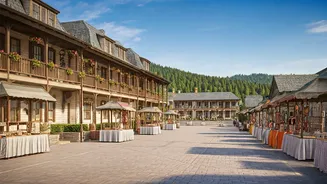
Beyond the tea gardens and train tracks, the town of Darjeeling itself is a charming blend of influences. Stroll along the Chowrasta, or the Mall Road, a wide promenade closed to traffic. Here, you can browse quaint shops selling local handicrafts, woolens, and Tibetan artifacts. While the main square can be lively, quiet corners are easy to find. Duck into a cozy cafe for momos (Tibetan dumplings) and coffee, or visit the serene Japanese Peace Pagoda, which offers panoramic views on a clear day. The colonial-era architecture, from the iconic Windamere Hotel to the gothic spires of St. Andrew's Church, adds a layer of nostalgic charm, making a simple walk through town feel like stepping into a historical novel.
Chasing Glimpses of Kangchenjunga
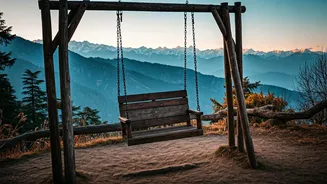
The majestic peak of Kangchenjunga, the third-highest mountain in the world, is Darjeeling's silent, watchful guardian. While the monsoon clouds can make a clear, sustained view elusive in June, they also create moments of dramatic beauty. An early morning trip to Tiger Hill might reward you with a breathtaking spectacle: the clouds parting just long enough for the rising sun to illuminate the snow-capped peaks in hues of gold and pink. Rather than a guarantee, these sightings become a gift—a fleeting, magical reward for your patience. It reframes the experience from one of expectation to one of appreciation for the unpredictable beauty of nature, which is the very essence of a true escape.