





First, What Is Bhindi?
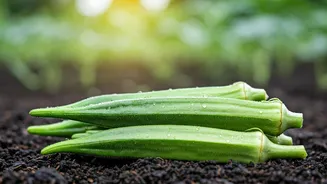
Before you start digging, let’s get acquainted. 'Bhindi' is the Hindi word for okra, a green, ridged vegetable pod that’s a staple in South Asian, Middle Eastern, and Southern American cuisine. If you’ve only ever encountered it as a slimy addition to
a gumbo, you’ve been missing out. When cooked correctly—typically with high, dry heat—okra has a wonderful, subtly sweet flavor and a satisfying texture, somewhere between an eggplant and a green bean. Known botanically as *Abelmoschus esculentus*, this plant is a member of the mallow family, related to cotton and hibiscus. Its beautiful, hibiscus-like flowers are an ornamental bonus in any garden. For generations, it has been a beloved ingredient in dishes like Indian *bhindi masala* (spiced okra) or classic Southern fried okra, showcasing its versatility and deep cultural roots.
The 'Monsoon' Advantage
The headline mentions a “monsoon,” a season of heavy rains and intense humidity in South Asia. For American gardeners, the word to focus on is “practical.” Bhindi thrives in the exact conditions that cause other plants to wilt, rot, or give up entirely: scorching heat and thick humidity. Think of the dog days of August in the American South, Midwest, or East Coast—that’s okra’s happy place. While your lettuce has long since bolted and your cool-weather herbs have surrendered, okra is just hitting its stride. It converts relentless sun and steamy air into prolific growth and a steady supply of tender pods. This makes it a brilliant and low-stress choice for filling the summer harvest gap, giving you something to look forward to when the rest of the garden is simply trying to survive. It doesn’t just tolerate the heat; it demands it.
Getting Started: A Simple Guide
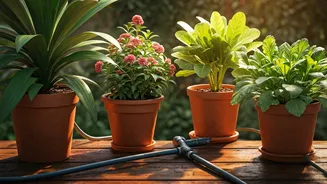
Growing your own bhindi is surprisingly straightforward. You don’t need a massive plot of land; a large container on a sunny patio will do just fine. Here’s the basic setup: **Sunlight:** This is non-negotiable. Okra needs at least six to eight hours of direct, full sun every day. The more, the better. **Soil:** It’s not overly picky, but it prefers well-drained soil rich in organic matter. If you’re using a container, a quality potting mix is perfect. In a garden bed, amend the soil with some compost before planting. **When to Plant:** Wait until the weather is consistently hot. The soil temperature should be at least 65°F, but it really takes off when nighttime temperatures stay above 60°F. Planting too early in cool, damp soil is a recipe for failure.
Planting and Care
To give your plants a head start, soak the hard okra seeds in water overnight before planting. Plant them about half an inch to an inch deep, spacing them about 12 to 18 inches apart to give them room to grow. Water them in, and then be patient. Once the seedlings emerge and establish themselves, okra is impressively drought-tolerant. However, for the best pod production, you’ll want to water it deeply once a week during dry spells. The plants grow into tall, sometimes 6-foot stalks, so they are largely untroubled by ground-level pests. Their height and beautiful flowers make them a striking addition to any vegetable patch or even a flower bed.
Harvesting for Best Results
This is the most important part of enjoying your okra. The key is to harvest the pods when they are young and tender—usually around 2 to 4 inches long. If you let them grow into giant, sword-like pods, they will be tough, woody, and inedible. Don't make this rookie mistake! Check your plants every day or two, as the pods grow incredibly fast in hot weather. Use a knife or pruning shears to snip the pod off the stalk, leaving a small stub. A bonus: harvesting frequently signals the plant to produce even more flowers and pods. A few well-tended plants can provide a steady supply for a small family all summer long.
Enjoying Your Homegrown Harvest
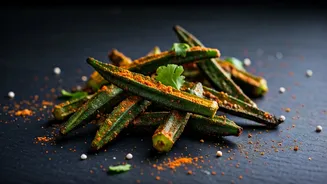
To avoid the dreaded slime, stick to high-heat cooking methods. Toss the chopped okra pods in a little olive oil, salt, and pepper and roast them in a 425°F oven until they are browned and tender-crisp. You can also grill them on skewers, slice them into coins for a quick stir-fry, or air-fry them for a healthy crunch. Sautéing with onions, tomatoes, and spices creates a simple and delicious *bhindi sabzi* (vegetable dish). By growing it yourself, you get to experience this global vegetable at its absolute best: fresh, tender, and full of summer flavor.