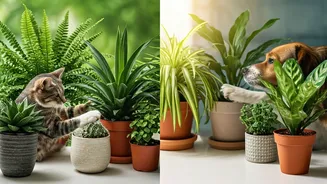







Why Some Plants Are a Problem
What makes a plant dangerous to a curious cat or a chewing-obsessed puppy? The culprits are often natural compounds the plant uses for self-defense. These can include insoluble calcium oxalate crystals, which cause intense oral pain and irritation when
chewed, or more systemic toxins that can affect a pet's heart, kidneys, or nervous system. A nibble of the wrong leaf can lead to symptoms ranging from mild drooling and vomiting to severe organ failure. Because our pets can't tell us what they've eaten, and because their natural instincts don't always protect them from household dangers, the responsibility falls on us to curate a safe indoor jungle.
High-Risk: Avoid These Common Plants
Some popular houseplants are beautiful but pose a severe threat to cats and dogs. It’s best to keep these out of your home entirely if you have pets. **Lilies:** For cats, all parts of a true lily (including species from the Lilium and Hemerocallis genera) are extremely toxic. Even ingesting a small amount of pollen or drinking water from the vase can lead to acute kidney failure and death. **Sago Palm:** This trendy plant looks like a mini palm tree, but it's a cycad, and all its parts are poisonous. The seeds are the most toxic part, causing severe liver damage, vomiting, and potentially death. **Tulips and Hyacinths:** While they bring spring cheer, the bulbs of these plants contain the highest concentration of toxins. If a dog digs up and eats a bulb, it can cause intense gastrointestinal irritation, drooling, and heart rate abnormalities. **Oleander:** This beautiful flowering shrub, sometimes grown indoors in colder climates, is incredibly toxic. Every part of the plant contains cardiac glycosides, which can disrupt heart function and be fatal if ingested.
Mildly Toxic: Proceed with Caution
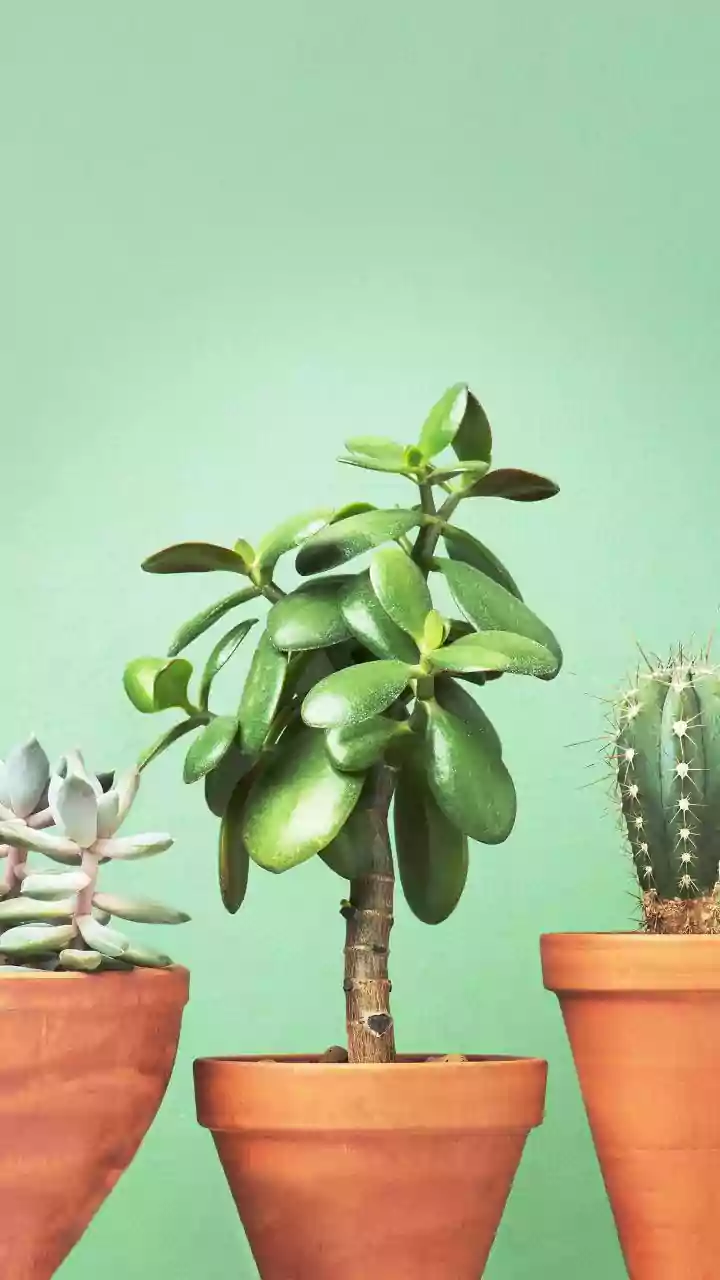
Many of the most popular and “easy-care” houseplants fall into this category. While not typically fatal, they can cause significant discomfort and a hefty vet bill. The best strategy is to place them on high shelves or in rooms your pets can't access. **Pothos and Philodendron:** These trailing beauties contain calcium oxalate crystals. Chewing on them can cause intense burning in the mouth, drooling, vomiting, and difficulty swallowing. **Snake Plant (Sansevieria):** This nearly indestructible plant is toxic if eaten, leading to nausea, vomiting, and diarrhea. While the reaction is usually mild, it's unpleasant for your pet. **ZZ Plant (Zamioculcas zamiifolia):** Another low-light champion, the ZZ plant also contains calcium oxalate crystals, causing similar oral irritation and digestive upset as Pothos.
Pet-Safe and Stylish Alternatives
The good news is that you don't have to choose between pets and plants. There is a wide array of stunning, non-toxic options to fill your home with greenery. **Spider Plant (Chlorophytum comosum):** These are resilient, easy to grow, and produce charming “spiderettes” that can be propagated. They are completely safe for cats and dogs. **Calathea Varieties (Prayer Plant, Rattlesnake Plant):** Known for their striking, patterned foliage, Calatheas are non-toxic and add a dramatic flair to any room. **Boston Fern (Nephrolepis exaltata):** This classic, feathery fern loves humidity and adds a touch of lushness to bathrooms and kitchens. It's perfectly safe for pets. **Haworthia (Zebra Plant):** If you love the look of succulents, many Haworthia species are a great non-toxic alternative to potentially harmful aloes. **Orchids (Phalaenopsis):** These elegant flowering plants are non-toxic to both cats and dogs, making them a safe way to add a splash of color.
What to Do in an Emergency
If you suspect your pet has eaten a toxic plant, act quickly. First, safely remove any remaining plant material from their mouth. Do not try to induce vomiting unless specifically instructed to by a professional. Immediately call your veterinarian or the ASPCA Animal Poison Control Center (888-426-4435). Be prepared to provide your pet’s species, age, and weight, as well as the name of the plant they ingested, if you know it. Taking a photo of the plant can also be extremely helpful for identification.