


Beyond the Butter Chicken Bubble
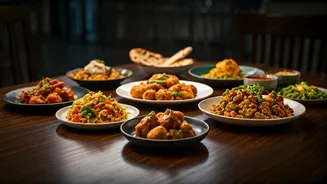
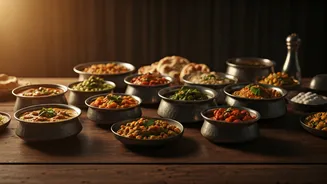
Let’s be clear: there’s nothing wrong with a good butter chicken or a perfect piece of garlic naan. These dishes are popular for a reason—they are rich, comforting, and delicious. For many Americans, they *are* Indian food. This perception is largely
a quirk of history. The first wave of Indian restaurateurs in the West were predominantly from the Punjab region in the north, and they brought their incredible culinary traditions with them. Tandoori ovens, creamy sauces, and hearty wheat breads became the standard-bearers. But India is a subcontinent, a place of staggering diversity in language, culture, and, most importantly, food. To let one region’s cuisine represent the whole is like saying American food is just hamburgers and fries. What we’re seeing now is a broadening of the horizon, a collective realization that there is so much more to explore. The spotlight is finally swinging south, to the tropical, coastal regions where the coconut palm reigns supreme.
The Southern Renaissance
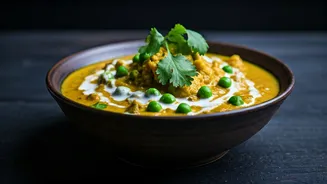
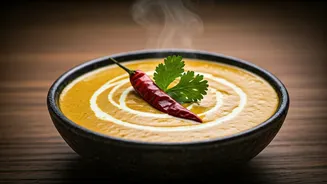
Enter the coconut curry. Forget the heavy cream and yogurt that characterize many popular northern dishes. Southern cooking, particularly in states like Kerala, Goa, and Tamil Nadu, builds its flavor on a different foundation: the versatile coconut. The resulting curries are lighter yet intensely flavorful, striking a delicate balance between sweet, sour, and spicy. A Keralan fish moilee, for example, features delicate chunks of fish poached in a fragrant, turmeric-hued coconut milk broth, subtly spiced with ginger, green chilies, and curry leaves. It’s creamy without being heavy, and it sings with a fresh, vibrant energy. Contrast this with a Goan prawn curry, which often has a fiery, tangy kick from tamarind and red chilies, its heat beautifully tempered by the sweetness of coconut. These dishes aren't just food; they are an expression of a coastal, tropical terroir.
A Coconut for Every Occasion
The genius of Southern Indian cooking lies in its masterful use of the coconut in all its forms. It’s not just about coconut milk. Tender, freshly grated coconut is often used to thicken sauces and add texture, as in a classic *avial*, a Keralan mixed vegetable stew. Toasted coconut lends a nutty, deeper flavor. And coconut oil is a primary cooking fat, imparting a subtle fragrance that underpins the entire dish. This isn't a new trend in India, of course; it's an ancient culinary tradition. What’s new is its growing prominence on the global stage. Chefs in New York, London, and San Francisco are increasingly championing these regional specialties, moving beyond the tired buffet menu and presenting dishes that are specific, authentic, and unapologetically southern. They are showing diners that Indian food can be light, vegan-friendly, and profoundly complex in ways they never expected.
Why Now? A Perfect Storm of Flavor
Several factors are contributing to this coconut curry-fueled swagger. Firstly, the global wellness trend has made diners more conscious of what they eat. Coconut milk is a fantastic dairy-free alternative to heavy cream, aligning perfectly with plant-based and lactose-intolerant diets. Secondly, our collective palate has become more adventurous. Decades of exposure to Thai and other Southeast Asian cuisines have made American diners fluent in the language of coconut-based sauces. Finally, there's a cultural confidence at play. A new generation of Indian and Indian-American chefs are proud to showcase the food of their specific heritage, refusing to flatten it for a Western audience. They are telling a more complete, more nuanced story of Indian cuisine. This isn't about replacing North Indian food, but about expanding the definition of what Indian food can be.