




The Secret of Mint's Success
Let’s be clear: in a traditional garden bed, mint is a thug. It’s an aggressive, imperialistic plant that sends out underground runners, called rhizomes, with the sole purpose of conquering new territory. Plant one small sprig in the corner of your flowerbed,
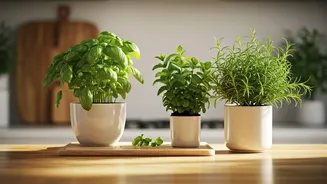
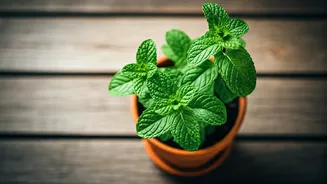
and by next summer, it will be staging a coup against your peonies. This is precisely why it’s the perfect plant for a pot. A container isn’t just a home for mint; it’s a beautiful, functional prison. The pot contains its relentless energy, turning what would be a flaw in the ground into its greatest strength. The plant focuses its vigor on producing lush, aromatic leaves instead of plotting world domination. You get all the reward with none of the rampant chaos.
Choosing Your Minty Champion
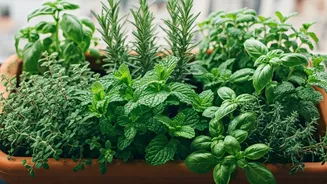
Not all mints are created equal, but all are equally easy to grow. Your choice comes down to personal taste. Spearmint (Mentha spicata) is the classic choice, with a bright, sweet flavor perfect for mojitos, iced tea, and garnishing desserts. It’s the familiar taste of Wrigley’s gum. Peppermint (Mentha piperita), a natural hybrid of spearmint and water mint, has a much higher menthol content, giving it a sharp, cooling, almost spicy flavor. It’s the mint of candy canes and potent herbal teas. Beyond the big two, a whole world of novelty mints awaits. Chocolate mint has undertones of cocoa, perfect for muddling into a weekend coffee. Apple mint is fuzzy and mild, and pineapple mint offers variegated leaves and a fruity scent. Start with one you know you’ll use.
The Five-Minute Potting Guide
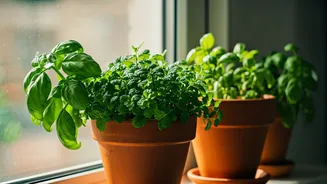
This part is almost insultingly easy. First, get a pot. A 10- or 12-inch diameter pot is a great start, giving the roots enough room to establish a healthy system without immediately becoming root-bound. Make sure it has drainage holes; mint likes moist soil, but not soggy feet. Terracotta, plastic, or glazed ceramic all work. Second, get some all-purpose potting soil. Don’t overthink it—the cheap bag from the hardware store is fine. Fill your pot, leaving a few inches at the top. Third, get a mint plant. You can buy a small starter plant from any nursery or even a grocery store. Tease the roots at the bottom of the plant ball, place it in the pot, and backfill with soil until it’s secure. Water it well. That’s it. You’re done.
A Care Plan for the Forgetful
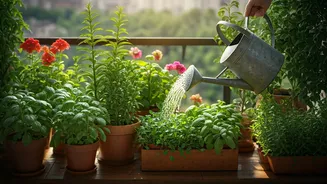
Here is the complete, exhaustive care guide for your potted mint: don’t let it die of thirst. That’s pretty much the only rule. Mint prefers consistently moist soil. If the top inch of soil feels dry, give it a drink. If you forget for a day or two and it wilts dramatically, don’t panic. It’s just being theatrical. A good watering will almost always bring it right back to life. Mint is not fussy about sunlight. It will be happiest with a few hours of direct sun but will tolerate partial shade just fine. You don’t need to fertilize it; in fact, an over-fertilized mint plant can lose some of its aromatic intensity. The only other task is harvesting, which also happens to be how you prune it. Snip off the top few inches of a stem whenever you need some. This encourages the plant to grow bushier and fuller.
Reap Your Effortless Rewards
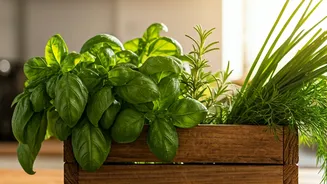
The payoff for your minimal effort is a near-endless supply of fresh flavor. The simplest pleasure is mint tea: just drop a few fresh leaves into a mug of hot water and let them steep for five minutes. Or, toss a whole sprig into your water bottle for a refreshing, spa-like infusion. Muddle it with sugar and lime for the aforementioned mojito or a non-alcoholic mint julep. Chop it up and sprinkle it over fresh fruit, particularly watermelon or strawberries. Finely dice it and mix it into yogurt with a little lemon juice for a quick sauce for grilled chicken or lamb. Even just rubbing a leaf between your fingers and inhaling the scent is a small reward. It’s a sensory, useful, and nearly indestructible plant.