
The Magic of a Simmering Stock Pot
Remember that pot that was always bubbling away on the back of grandma’s stove? What we now call “bone broth” and sell for a premium in chic cafes was once just a frugal, common-sense way to use up every part of the animal. Grandmas knew that simmering
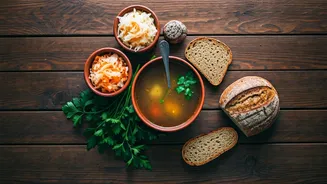
bones, cartilage, and vegetable scraps for hours created a rich, comforting base for soups and stews. Today, nutritionists are championing this very practice. The slow-simmering process leaches collagen, gelatin, and amino acids like glycine and proline from the bones. These compounds are celebrated for their roles in supporting joint health, skin elasticity, and gut lining integrity. While not a cure-all, a warm cup of broth is a nutrient-dense, easily digestible food that science is finally appreciating as much more than just soup.
Fermented Foods Weren't a Fad
Long before “probiotic” was a buzzword on a yogurt container, grandmas were fermenting. From the crock of sauerkraut in the cellar to the jar of pickled cucumbers on the counter, fermentation was a primary method of food preservation. They didn't know about the trillions of microorganisms that make up the gut microbiome, but they knew these tangy, living foods were good for them. Modern science has validated this intuition, linking a diverse microbiome to everything from better digestion and a stronger immune system to improved mood. The fermented foods our ancestors ate—kimchi, kefir, real pickles, and sauerkraut—are now being hailed by dietitians as essential for feeding the beneficial bacteria in our gut.
Eating the Whole Thing
The phrase “waste not, want not” was the cornerstone of a grandmother’s kitchen. This didn't just apply to leftovers; it applied to the entire animal or plant. While modern palates often favor muscle meats like chicken breasts and steak, previous generations understood the value of nose-to-tail eating. Organ meats like liver and heart, once common, are now recognized by scientists as some of the most nutrient-dense foods on the planet, packed with iron, B vitamins, and vitamin A. The same goes for vegetables—using beet greens in a salad or turning carrot tops into pesto honors the same principle of holistic nourishment and sustainability that was once second nature.
The Non-Negotiable Family Dinner
For many of our grandmothers, dinner was an event, not a pit stop. The act of gathering around a table, sharing a meal, and talking was as important as the food itself. This might seem like simple nostalgia, but research increasingly supports the benefits of this ritual. Eating slowly, without distraction from a screen, allows our digestive system to work properly by engaging the “rest and digest” parasympathetic nervous system. It promotes mindful eating, which helps us recognize hunger and fullness cues more accurately, preventing overeating. Furthermore, the social connection fostered over shared meals is a powerful tool for reducing stress, which has a direct and profound impact on our overall physical health.
Cooking with Ingredients, Not Products
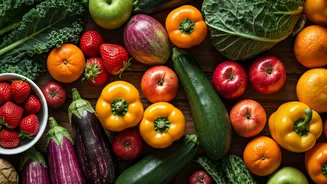
Perhaps the most profound piece of wisdom is the simplest: grandma cooked. She worked with whole ingredients—vegetables from the garden, meat from the butcher, flour, butter, eggs. Her pantry wasn't filled with brightly colored boxes containing ultra-processed foods engineered with refined sugars, industrial seed oils, and chemical additives. The modern push toward “clean eating” and “whole foods” is essentially a rediscovery of this fundamental principle. Nutritionists now understand that the harm from modern diets often comes not from a single nutrient, but from the complex, industrial processing that strips food of its integrity. The best diet advice, it turns out, might just be to cook like your grandmother did: with real food.