


From Calories to Cortisol
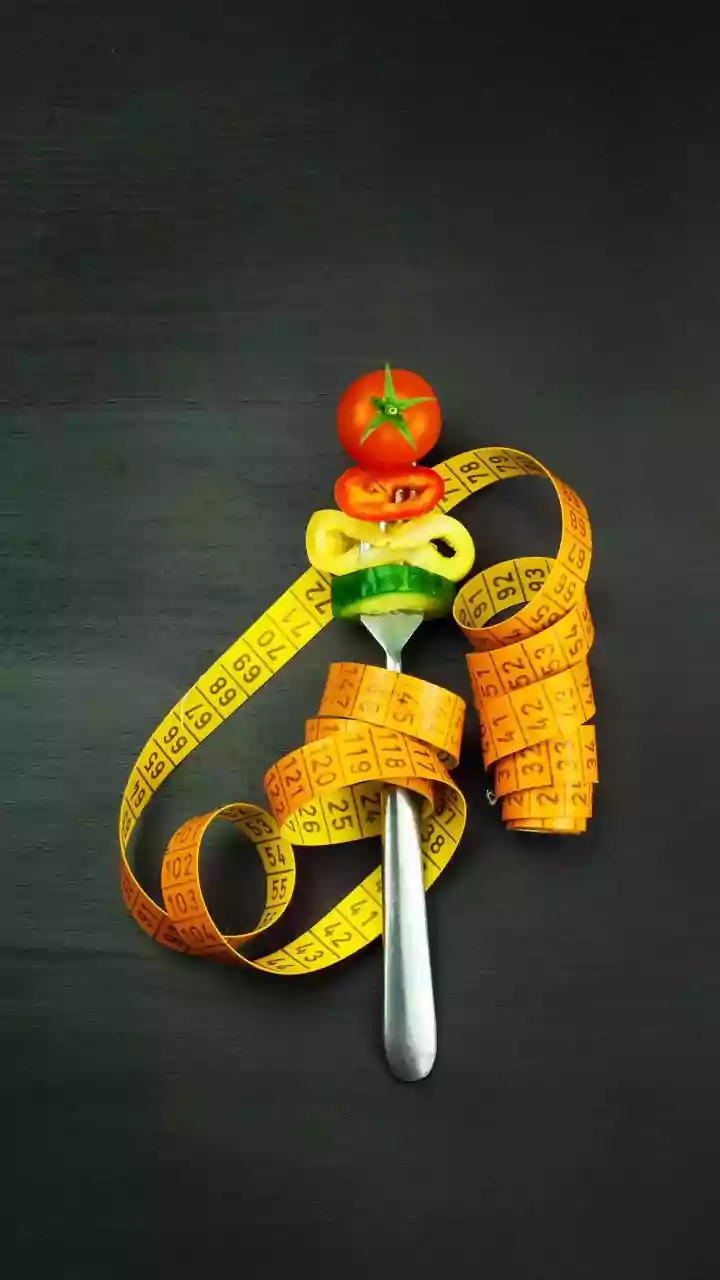
For decades, mainstream diet advice revolved around a simple, if frustrating, equation: calories in, calories out. But a new wellness movement is gaining traction, one that suggests what you eat—and when—should be tailored to your body's hormonal fluctuations.
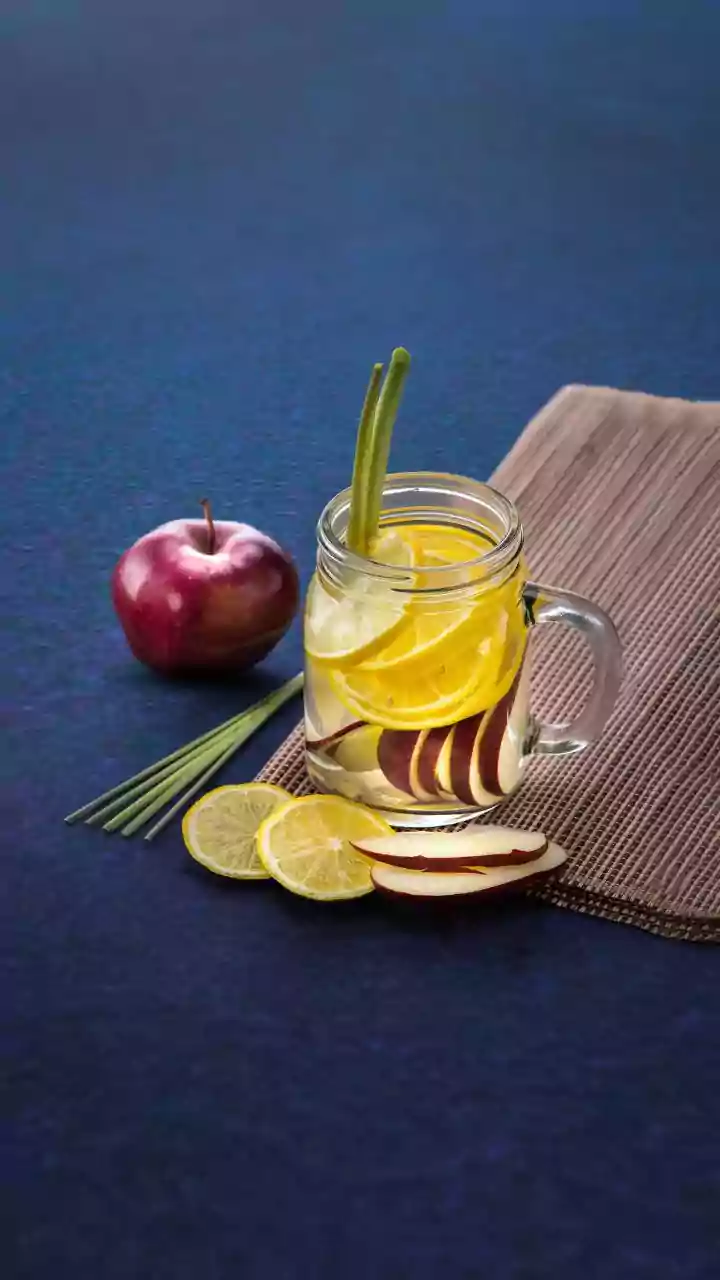
This trend, popularized on platforms like TikTok and Instagram, goes by many names: 'hormone balancing,' 'cycle syncing,' or 'metabolic healing.' It promises that by aligning your diet with your endocrine system, you can unlock benefits far beyond weight management, from improved energy and mood to clearer skin and less painful periods. Proponents share recipes for 'adrenal cocktails' (a mix of citrus juice, coconut water, and salt) to combat stress, and elaborate guides for 'cycle syncing,' which involves eating specific foods during each phase of the menstrual cycle to support hormonal shifts. For example, you might see recommendations for flax and pumpkin seeds during your follicular phase and sesame and sunflower seeds during your luteal phase.
Why Is This Happening Now?
The rise of hormone-focused eating is no accident. It’s a direct response to a growing frustration with one-size-fits-all wellness. Many people, particularly women, feel that traditional medical and dietary advice has failed to address their specific concerns, like debilitating PMS, perimenopause symptoms, or unexplained fatigue. The simplistic 'eat less, move more' mantra often falls short for those dealing with complex issues like Polycystic Ovary Syndrome (PCOS), thyroid disorders, or the intense hormonal shifts of menopause. In this context, the idea of bio-individuality—that each person has unique nutritional needs—is incredibly appealing. The hormone-centric approach offers a sense of control and a potential explanation for why previous diets didn't work. It reframes the conversation from one of restriction and willpower to one of nourishment and internal balance, which resonates deeply with a generation burned out on diet culture.
The Science vs. The Smoothie
So, is there any truth to it? Yes and no. Registered dietitians and endocrinologists agree that diet has a profound impact on hormones. What you eat affects insulin, cortisol (the stress hormone), and the hormones produced by your thyroid. A balanced diet rich in fiber, protein, and healthy fats is foundational for endocrine health. However, experts urge caution when it comes to the highly specific protocols trending online. The scientific evidence supporting 'cycle syncing' your food, for example, is currently very thin. While certain nutrients are important for reproductive health, there’s no robust research showing that eating pumpkin seeds exclusively in the first half of your cycle provides a unique benefit. Many professionals see these trends as repackaged common sense—eat whole foods, manage stress, get enough nutrients—wrapped in a compelling, but not always evidence-based, narrative. The concern is that these trends can lead to unnecessary food restrictions or cause people to self-diagnose and delay seeking medical care for legitimate hormonal conditions.
A More Balanced Approach
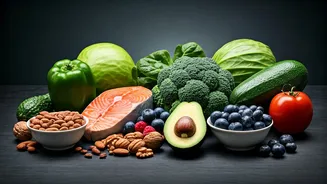
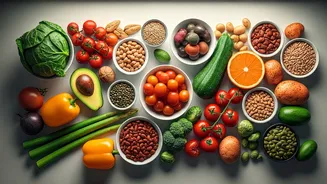
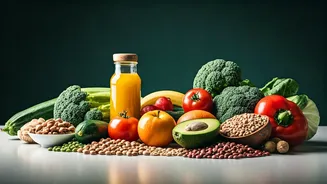
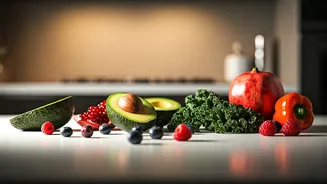
Instead of meticulously tracking seeds or mixing up social media-approved drinks, experts suggest focusing on the fundamentals that are scientifically proven to support hormonal health. This includes eating a diverse range of whole foods, ensuring adequate protein intake at every meal to stabilize blood sugar, consuming plenty of fiber from fruits, vegetables, and whole grains, and incorporating healthy fats like those found in avocados and nuts. Managing stress through activities like yoga, meditation, or simply walking outside is crucial for keeping cortisol levels in check. Prioritizing consistent sleep is another non-negotiable, as sleep deprivation can throw your entire endocrine system out of whack. The most valuable part of this new conversation may not be the specific hacks, but the overarching principle: paying closer attention to your body's signals and learning how to nourish it accordingly, a practice that is beneficial whether you’re tracking your cycle or not.