



The Truth About 'Sunscreen Pills'
Let’s get this out of the way first: no supplement can replace sunscreen. The market is filled with products, often containing antioxidants like Polypodium leucotomos, that claim to protect your skin from UV damage from the inside out. While some of these
ingredients show promise in supporting skin health, they are not a substitute for topical sun protection. The Food and Drug Administration (FDA) has been clear on this, even issuing warning letters to companies making unproven claims that their dietary supplements can prevent sunburn, reduce the risks of early skin aging, or protect from skin cancer. Think of these supplements as, at best, a minor supporting actor in your skin health routine—never the star. Relying on them for primary protection is a risky bet that can leave you with a painful sunburn and long-term damage.
The Gold Standard: Sunscreen and Shade
Your most powerful and proven shield against the sun’s harmful rays is, and remains, broad-spectrum sunscreen. Dermatologists are united in this advice. For daily use, choose an SPF of 30 or higher; for extended outdoor activity, opt for SPF 50. 'Broad-spectrum' is the key phrase here, as it ensures protection from both UVA (aging) and UVB (burning) rays. Application is just as important as the product itself. Most people apply only 25-50% of the recommended amount. For the average adult, that’s about one ounce—or a full shot glass—to cover your entire body. Remember to reapply every two hours, or more frequently if you’re swimming or sweating heavily. Beyond the bottle, make sun-smart behaviors a habit. Seek shade during peak sun hours (typically 10 a.m. to 4 p.m.), wear a wide-brimmed hat, and sport UV-blocking sunglasses to protect your eyes.
Wear Your Sun Protection
One of the most overlooked yet effective forms of sun protection is your clothing. While any long-sleeved shirt is better than none, not all fabrics are created equal. A standard white cotton T-shirt, for example, may only have a UPF (Ultraviolet Protection Factor) of about 7, which drops even lower when wet. For a more reliable barrier, look for clothing with a designated UPF rating of 30 or higher. This specially designed apparel is engineered to block UV radiation and maintains its effectiveness when wet or dry. It’s an ideal choice for beach days, hiking, or any activity where you’ll be in the sun for an extended period. Investing in a few key pieces, like a lightweight long-sleeved swim shirt or a versatile sun hoodie, provides a constant layer of defense you don’t have to worry about reapplying.
Eat Your Antioxidants
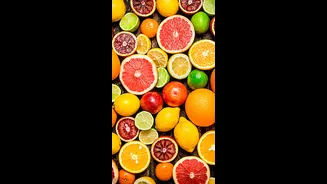
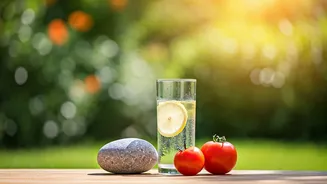
While no food can make you immune to sunburn, a diet rich in certain nutrients can help support your skin’s natural defense and repair mechanisms. This is where the concept of 'eating your sunscreen' comes from—not as a replacement, but as a complementary strategy. Foods rich in antioxidants can help neutralize free radicals produced by UV exposure. Look for lycopene, found in tomatoes, watermelon, and pink grapefruit. Studies suggest it can provide a small amount of natural protection. Vitamin C (found in citrus, bell peppers, and strawberries) and Vitamin E (in nuts and seeds) are powerful antioxidants that work together to protect skin cells. Dark leafy greens like spinach and kale are packed with lutein and zeaxanthin, which have also been shown to help protect the skin from sun damage. Think of it as building your skin’s resilience from the inside.
Hydration is Non-Negotiable
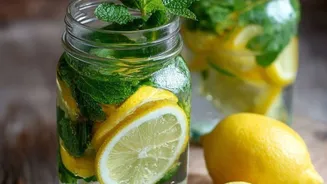
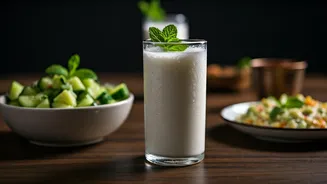
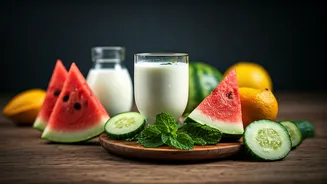
In the summer heat, hydration is about more than just quenching your thirst—it’s a critical component of your overall health and your body’s ability to regulate temperature. Dehydration can lead to fatigue, headaches, dizziness, and in severe cases, heatstroke. While plain water is always the best choice, you can also 'eat' your water. Many summer-friendly foods have high water content, including cucumbers (about 95% water), celery, zucchini, and, of course, watermelon. These foods also provide electrolytes like potassium and magnesium, which are lost through sweat and are essential for proper muscle function and fluid balance. If you’re exercising or spending significant time in the heat, don’t wait until you’re thirsty to drink. By the time thirst hits, you’re already on your way to being dehydrated.