

The Counterintuitive Allure of Rain
On paper, it sounds like a terrible idea. Why would anyone trade a sun-drenched beach for a destination in the middle of its rainy season? The answer, it turns out, is a compelling mix of practicality and poetry. The most obvious draw is the lack of crowds
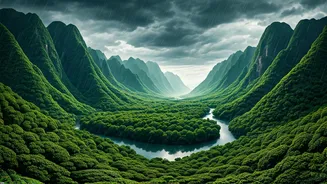
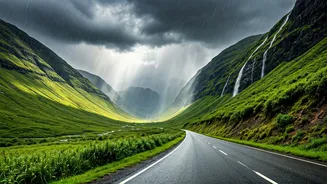
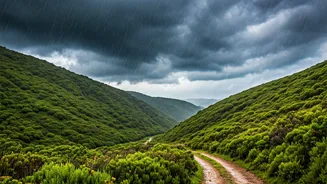
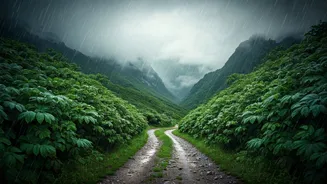
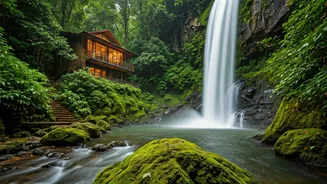
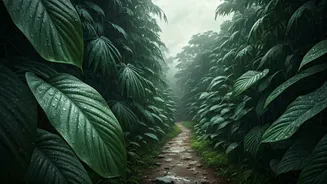
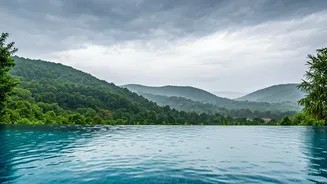
and the corresponding drop in prices. Popular destinations that are overrun and overpriced during peak season suddenly become tranquil and affordable. Hotels offer steep discounts, flights are cheaper, and you might just get that iconic viewpoint all to yourself. But the appeal goes deeper than just saving a few bucks. For a certain type of traveler, the monsoon season offers a more profound, atmospheric experience. The rain transforms landscapes, turning dusty hills into vibrant, emerald-green wonderlands. Waterfalls that are mere trickles in the dry season become thundering spectacles. The air feels cleaner, the colors more saturated, and the entire environment pulses with life.
From Travel Nuisance to Main Attraction
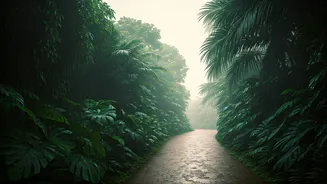
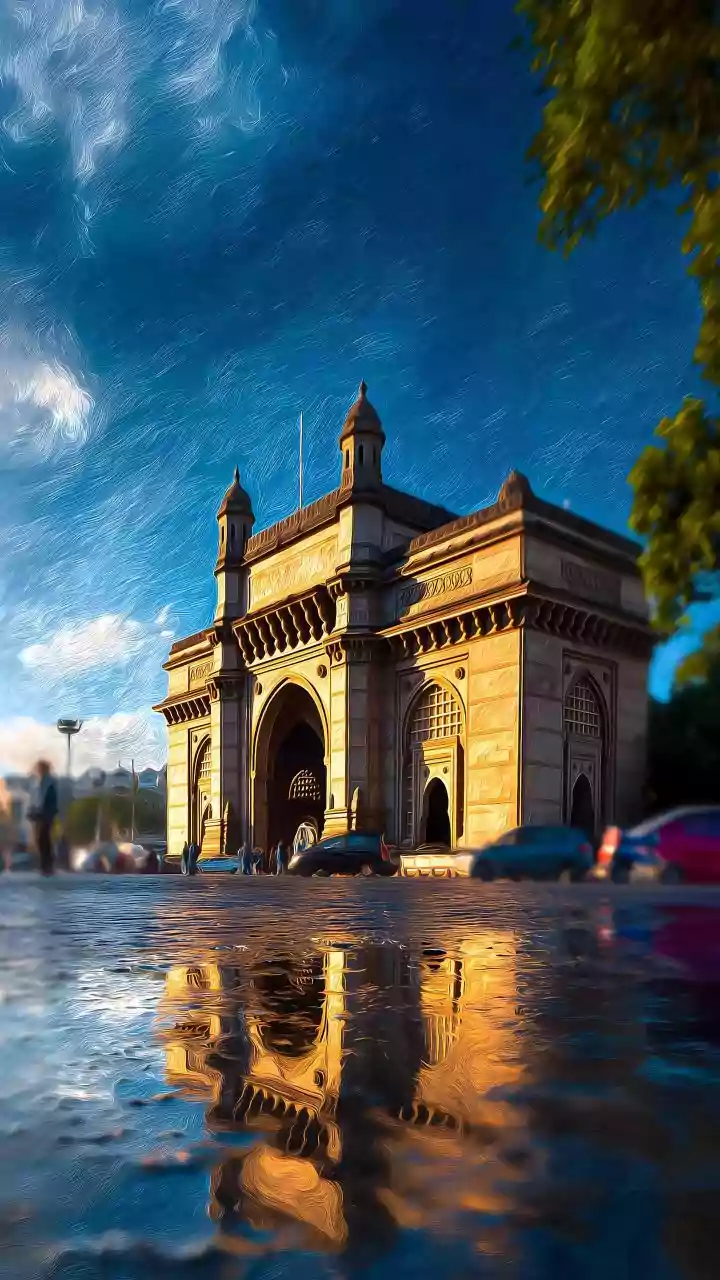
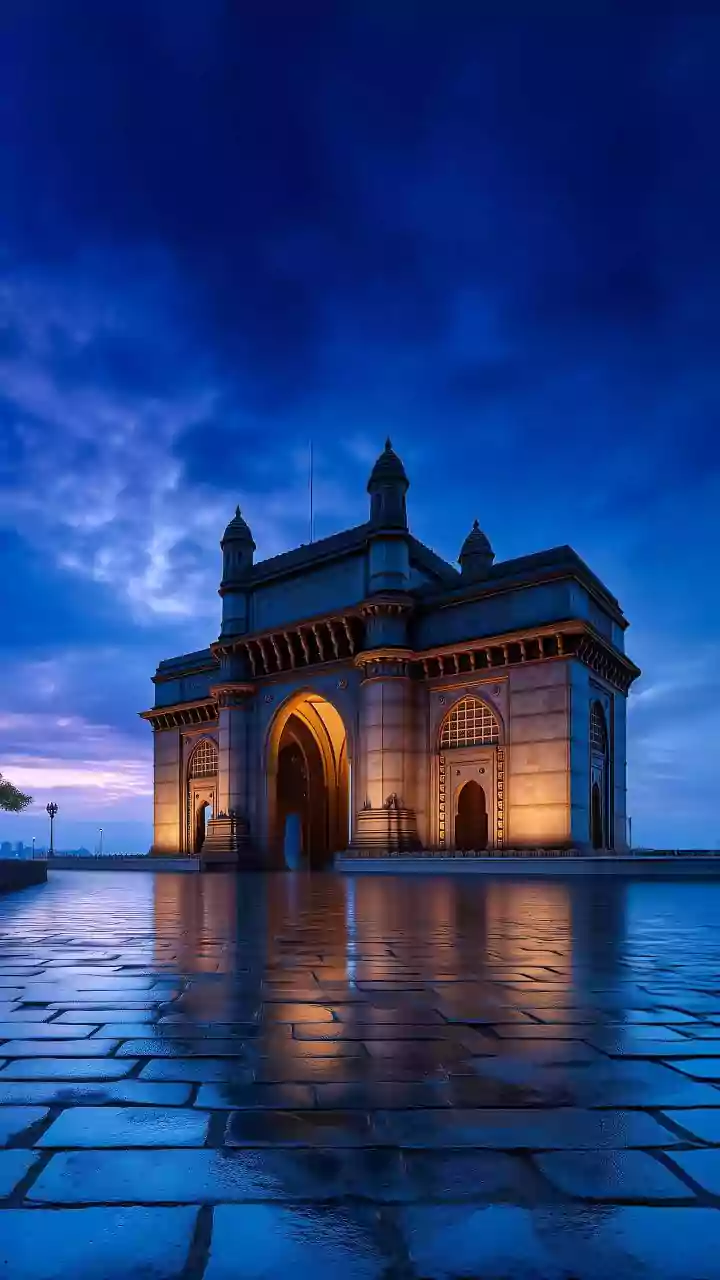
The perception of the monsoon is shifting dramatically. What was once seen as a logistical nightmare—a period of canceled flights, muddy roads, and ruined plans—is now being rebranded as a feature, not a bug. Travel media and influencers are playing a huge role in this reframing. Where glossy magazines once exclusively showed brilliant sunshine, you’ll now find articles titled “Why You Should Visit Costa Rica in the Green Season” or “India’s Most Magical Monsoon Getaways.” Social media aesthetics have also contributed. The moody, dramatic light of a cloudy day, the glistening cobblestone streets, and the foggy landscapes make for compelling photos that stand out in a sea of homogenous blue-sky beach shots. The romance of curling up with a book and a cup of tea while the rain drums on the roof is a powerful fantasy, and it’s one that travel marketers are now selling with great success. It’s a move away from the perfect, sterile vacation and toward something with more texture and mood.
The Search for Authenticity
This trend is part of a larger shift in travel philosophy. Burned out on over-tourism and the feeling of being just another body in a crowd at the Eiffel Tower or a Thai beach party, many travelers are actively seeking more “authentic” experiences. Traveling during the off-season, or in this case the monsoon season, is a direct route to that feeling. It allows a visitor to see a place as it is for most of the year, to experience its natural rhythms rather than the manufactured perfection of peak tourist season. There’s a sense of connecting with a destination on a deeper level. You’re not just a consumer of sunshine; you’re an observer of a powerful natural cycle that shapes the local culture, agriculture, and way of life. For many communities, the monsoon is a time of celebration and renewal, and visiting during this period can offer a unique window into local festivals and traditions.
The Reality Check of Rainy Season
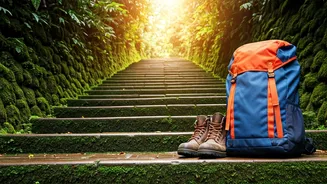
Of course, it’s not all romantic downpours and lush scenery. The rise of the monsoon travel list comes with a necessary dose of reality. These trips aren’t for the inflexible or the unprepared. The “monsoon” can range from a predictable afternoon shower to days of relentless, flooding rain. Travel can be disrupted, outdoor activities may be limited, and humidity can be oppressive. Packing requires more than just a swimsuit; you’ll need waterproof gear, quick-dry clothing, and serious insect repellent. This is why these lists are “must-read” content—they serve as a practical guide. They help travelers choose the right destination (some regions are more manageable than others during the rains) and set realistic expectations. A good monsoon travel list won’t just tell you where to go; it will tell you what to pack, how to navigate potential challenges, and how to embrace a slower, more spontaneous style of travel.