



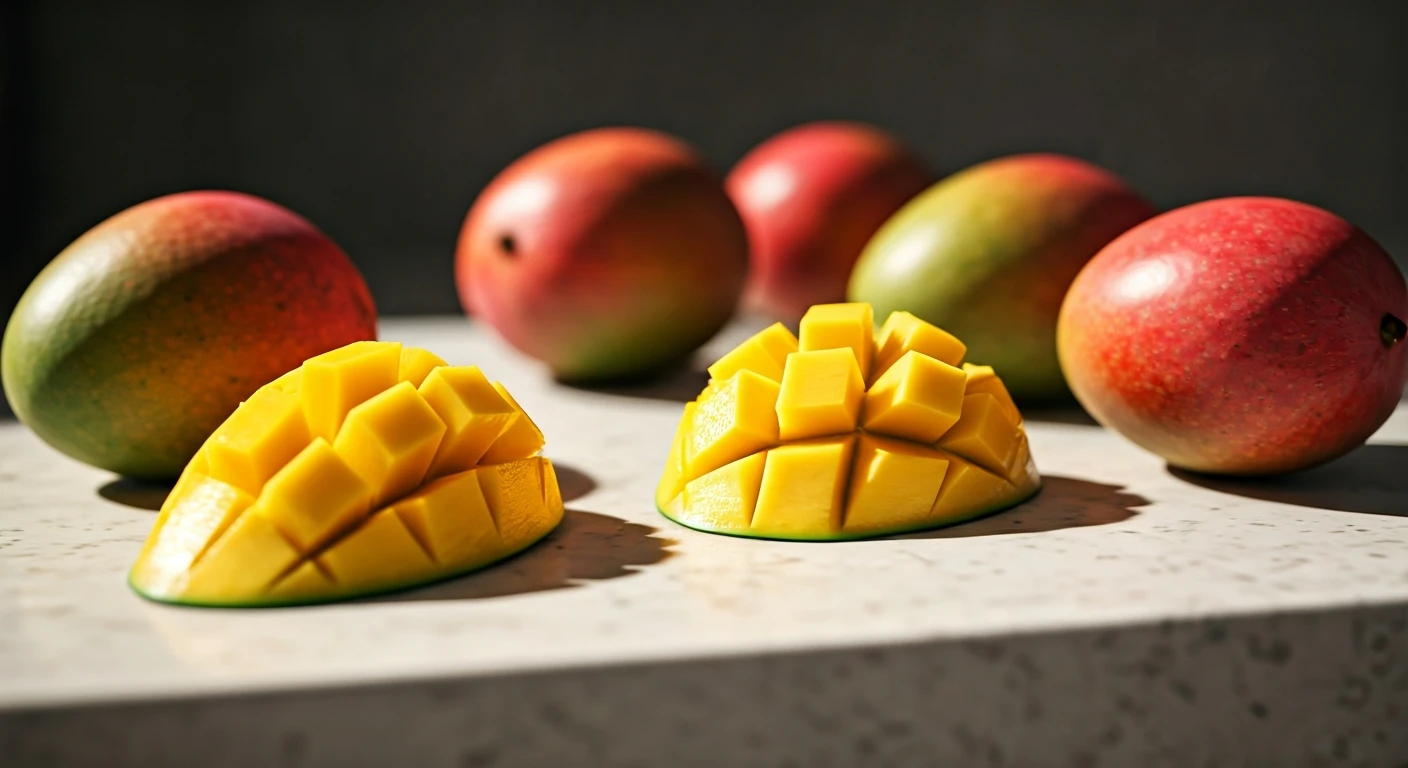
The Difference Is in the Bite
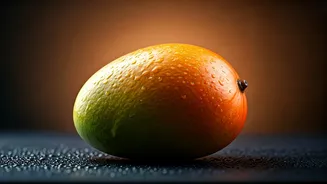
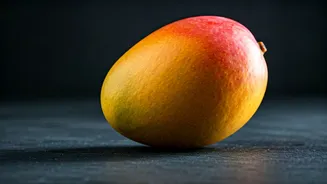
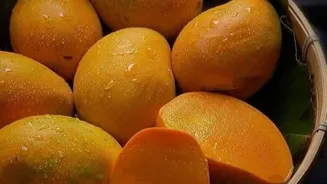
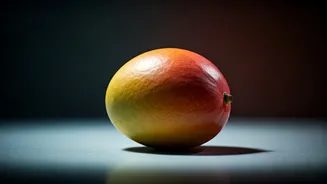
For many Americans, a mango is a mango: a large, reddish-green fruit that’s sweet, sometimes a bit stringy, and generally pleasant. But to taste an Indian mango for the first time is a revelatory experience. Varieties like the Alphonso, Kesar, and Dasheri
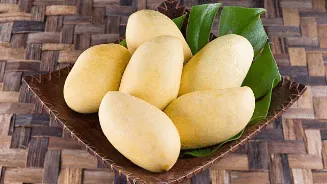
offer a completely different sensory profile. Forget fibrousness; the flesh is uniformly creamy and custard-like, dissolving on the tongue. The flavor is a complex symphony—not just sugary sweetness, but a heady mix of honey, citrus, and floral notes with a rich, intoxicating aroma that fills a room. While the sturdy Tommy Atkins variety from Mexico and South America dominates U.S. supermarket shelves due to its long shelf life and durability, it’s a workhorse built for travel. Indian mangoes, by contrast, are divas bred for flavor, making each bite an event.
The Long Road to American Tables
So if these mangoes are so incredible, why are we only hearing about them now? The answer lies in a nearly two-decade-long ban. In 1989, the U.S. Department of Agriculture prohibited the import of Indian mangoes due to concerns about pests, specifically the fruit fly. For years, this meant the only way to taste a true Indian mango in the States was through canned pulp or the wistful descriptions of those who had traveled to India during the precious few months of mango season. The breakthrough came in 2007, when the ban was lifted after the two countries agreed on a protocol: the mangoes would undergo low-dose irradiation to eliminate any potential pests before being shipped. This process, which doesn't affect the fruit's taste or texture, opened the floodgates for a slow but steady stream of what many consider the world’s finest fruit.
The Cult of the 'King of Mangoes'
Among the hundreds of mango varieties grown in India, one reigns supreme: the Alphonso. Known as the 'Hapus' in India and often called the “King of Mangoes,” this variety is a cultural icon. Grown primarily in the coastal Konkan region of Maharashtra, the Alphonso is prized for its saffron-colored flesh, non-fibrous texture, and an unmatched sweetness balanced with a hint of tartness. Its arrival signals the true beginning of summer, and its price reflects its status; a single box can be a significant expense. The Alphonso’s reputation is so great that it's become a benchmark for flavor, with chefs and foodies seeking it out for desserts, drinks, and simply to be eaten on its own, preferably over a sink to catch the juices. Its growing availability in specialty grocery stores and online is a testament to its powerful global allure.
More Than Just a Fruit
In India, the mango is not just a food; it's a cultural obsession and a symbol of summer, family, and celebration. The short, intense mango season (typically April to June) is a national event. Families have their preferred vendors and fierce debates over which variety is superior. Mangoes are given as prestigious gifts, featured in religious ceremonies, and are the star of countless recipes, from cooling lassi drinks to spicy pickles (achaar). This deep cultural embedding is part of what makes the Indian mango’s journey abroad so significant. It’s not just an agricultural export; it’s the sharing of a cherished piece of a nation’s identity. For the Indian diaspora, the arrival of a box of fresh mangoes is a powerful taste of home. For everyone else, it’s an invitation to partake in one of the world's great culinary pleasures.