






A Revolution in Flavor
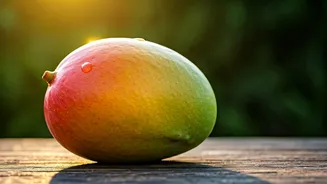
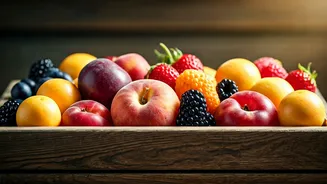
The most compelling argument for seasonal eating isn't found in a textbook; it's in the first bite of a sun-ripened summer peach. Fruits that are picked and sold in their natural season are allowed to fully mature on the vine, tree, or bush. This is crucial.
During these final days of ripening, a fruit develops the majority of its complex sugars and aromatic compounds—the very things that create deep, satisfying flavor and fragrance. In contrast, produce destined for long-haul journeys is often picked while still firm and underripe. It’s then transported thousands of miles and sometimes artificially ripened with ethylene gas. While this process makes the fruit look ready to eat, it never allows for the development of that rich, nuanced taste. The result? A strawberry in winter that looks the part but has a watery, hollow flavor and a firm, crunchy texture. Eating seasonally is a rediscovery of what a strawberry is *supposed* to taste like.
The Nutritional Peak
Flavor and nutrition go hand in hand. The same natural ripening process that builds taste also maximizes a fruit's vitamin and antioxidant content. When a fruit is harvested at its peak, it’s at its most nutritionally dense. Conversely, the moment a fruit is picked, it begins a slow process of nutritional degradation. Light, heat, and oxygen all take their toll. A blueberry picked in Chile, shipped to a U.S. port, stored in a warehouse, and finally placed on your local grocery shelf may have spent weeks in transit. By the time it reaches your kitchen, its nutritional content, particularly fragile vitamins like Vitamin C, has significantly diminished. When you buy seasonal produce from a local farm, you're not just shortening the supply chain; you're getting a product that is as close to its nutritional peak as possible.
An Unexpected Budget Booster
It’s a common misconception that eating fresh, seasonal food is a luxury reserved for the wealthy. While boutique organic markets can be pricey, the basic economics of supply and demand make seasonal eating a smart financial choice. When a particular fruit is in season, it's abundant. Farmers have a surplus they need to sell, which drives prices down. You’ll notice this at any grocery store: a pint of local blueberries in July costs a fraction of what imported Chilean blueberries cost in February. The cost of transportation, storage, and preservation for out-of-season produce is passed directly to the consumer. By aligning your shopping list with the local harvest, you can often buy larger quantities of high-quality produce for less, especially at farmers' markets where you buy directly from the grower.
A Lighter Environmental Footprint
The return to seasonal eating is also intertwined with a growing awareness of our food's environmental impact. The concept of "food miles"—the distance food travels from where it's grown to where it's consumed—is a powerful one. Shipping out-of-season grapes from the Southern Hemisphere to the U.S. requires an enormous amount of fossil fuel for transportation and refrigeration. In many cases, it also requires more intensive farming practices, including higher water usage and more pesticides, to grow crops outside their ideal climate. Choosing locally grown, seasonal fruit drastically reduces these food miles, lessening your personal carbon footprint. It also supports local agricultural economies and encourages farming practices that are more in harmony with the regional environment.