





More Than a Rainstorm
For most Americans, “monsoon” conjures images of a torrential downpour, an endless, dreary rain. But that’s only a fraction of the story. The monsoon is a massive, seasonal climate pattern, a reversal of winds that brings life-giving rains to vast agricultural
regions, particularly in India. It’s not a storm that passes in a day; it’s a season that lasts for months, typically from June to September. Its arrival is a national event, tracked with the intensity of a presidential election. After the long, scorching heat of summer, the first rains are met with celebration. The smell of petrichor—the earthy scent of rain on dry soil—is a scent of relief, renewal, and hope. This season transforms arid, dusty landscapes into lush, emerald wonderlands. It's a dramatic, sensory overhaul of an entire subcontinent.
The Billion-Person Forecast
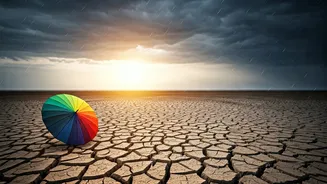
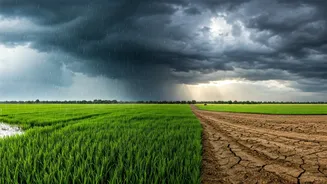
To understand the mood, you first have to understand the stakes. The strength of the monsoon is directly tied to the economic fortunes of hundreds of millions of people. In India, for example, the agricultural sector is the largest employer, and more than half of its croplands are rain-fed. A “strong” or “normal” monsoon means plentiful water for crops like rice, sugarcane, and cotton. This leads to a bountiful harvest, which in turn keeps food prices stable, boosts rural incomes, and fuels consumer spending across the country. A healthy monsoon recharges reservoirs and aquifers, ensuring water and power supplies for the year ahead. Conversely, a “weak” or “failed” monsoon is a national crisis. It can lead to drought, crop failure, farmer distress, and inflation. The government’s budget, corporate profits, and the stock market all hang in the balance. Every percentage point deviation from the long-term average rainfall is scrutinized by economists and politicians alike. This isn't just weather; it's destiny.
The Two Faces of Rural Travel
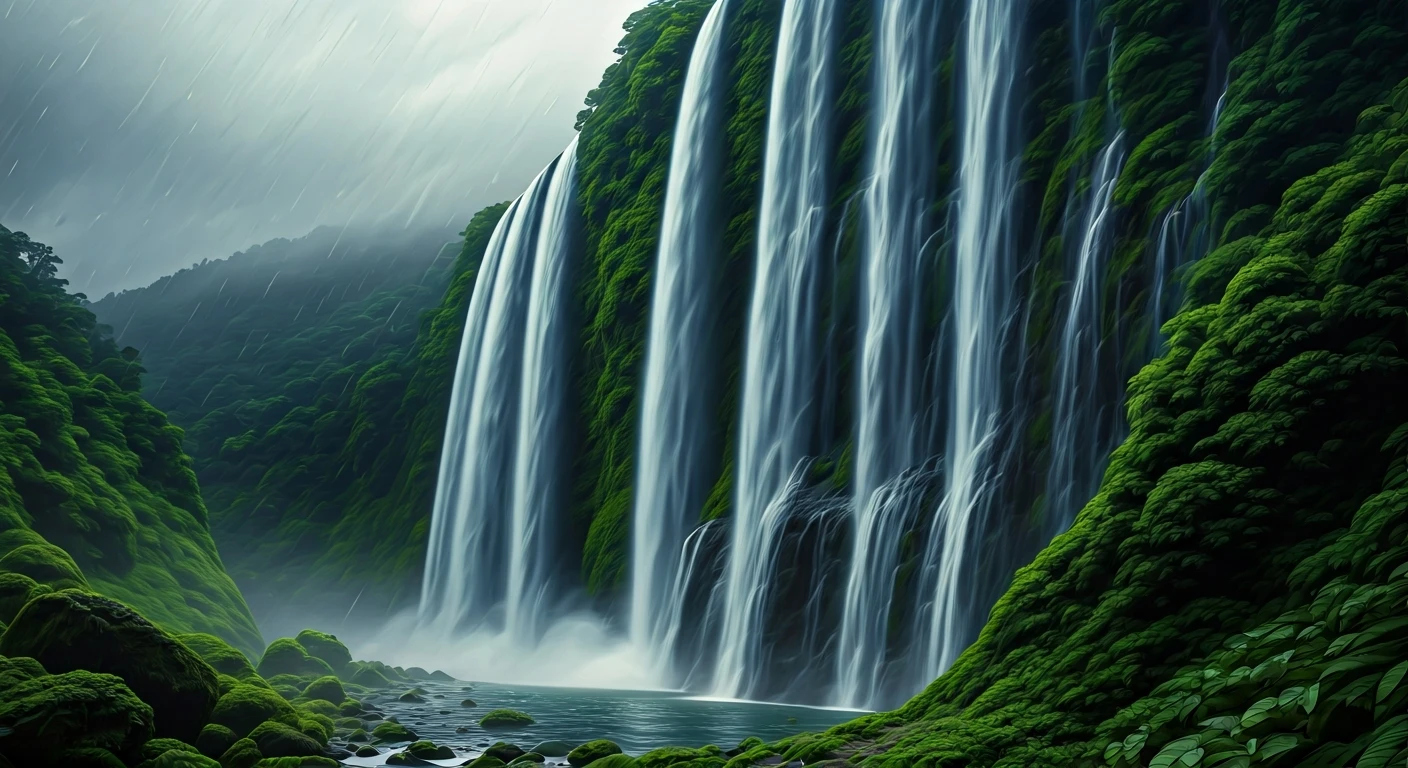
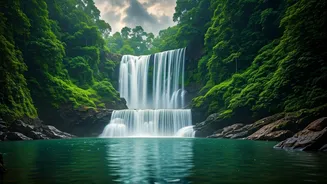
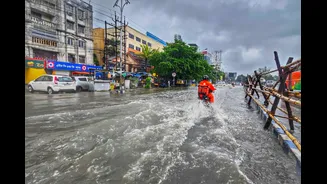
This high-stakes economic reality creates a fascinating duality for the rural traveler. The monsoon season is technically the “off-season” in many tourist hotspots, and for good reason. The downsides are obvious and plentiful: crushing humidity, canceled flights, and train delays are common. In mountainous regions, landslides can block roads for days, leaving travelers stranded. Rivers swell, leading to floods that can wash away bridges and inundate villages. Diseases like malaria and dengue also become more prevalent. Yet, for the adventurous, the rewards are immense. The landscape is at its most breathtakingly beautiful, with waterfalls cascading down hillsides that were barren just weeks before. The crowds are gone, and the frenetic energy of peak season is replaced by a quieter, more contemplative pace. Popular destinations feel more intimate, and prices for hotels and transport are often significantly lower. For photographers and nature lovers, it’s a paradise of vibrant greens and dramatic, cloud-filled skies. Traveling during the monsoon requires patience and flexibility, but it offers a glimpse of a place in its most elemental, untamed state.
Reading the Local Mood
Ultimately, the “mood” of rural travel during this time is a direct reflection of the rain’s performance. When the monsoon arrives on time and delivers steady, widespread rain, there is a palpable sense of optimism and prosperity in the air. The mood in villages is buoyant. Markets are busy, festivals are celebrated with extra fervor, and there's a collective sigh of relief. A traveler can’t help but be swept up in this shared feeling of well-being. But if the rains are delayed, weak, or erratic, an undercurrent of anxiety becomes noticeable. Conversations are dominated by weather forecasts. The mood is tense, worried. In these moments, a traveler is no longer just a visitor passing through; they become a witness to the profound, existential dependence on the whims of nature. The strength of the monsoon doesn't just change the view from your window—it shapes the very spirit of the place you’re in.