





More Than Just Lettuce
First, let’s be clear: this isn’t your typical Cobb or Caesar. The multi-layered salads lighting up the lunchrooms of corporate America are a masterclass in texture, flavor, and engineering. The concept is simple but brilliant, borrowed from the 'salad
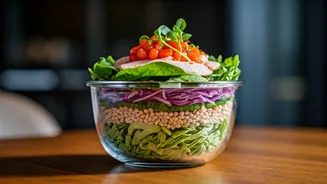
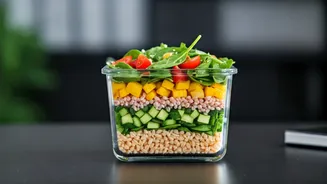
in a jar' meal-prep trend. Dressing goes on the bottom, followed by hard, non-absorbent vegetables like carrots or cucumbers. Next come grains, beans, or proteins—think quinoa, chickpeas, or paneer. Softer ingredients like corn or bell peppers follow, and the delicate greens like spinach or arugula sit safely on top, far from the dressing, staying crisp and fresh until you’re ready to eat. When lunchtime hits, a vigorous shake is all it takes to mix everything together into a perfect, un-soggy bowl of deliciousness. It’s a practical solution to a universal problem, but the Desi-American community has elevated it into an art form.
The Fusion of Convenience and Culture
So, what makes this trend resonate so strongly within the Desi community? It’s the perfect intersection of modern workplace demands and a deep-seated appreciation for complex, home-style flavors. For first- or second-generation professionals juggling busy careers, the layered salad offers the efficiency of American meal prep without sacrificing the tastes of their heritage. A traditional American salad can feel bland or unsatisfying to a palate accustomed to the intricate spices of South Asian cuisine. This new approach isn't about replacing those flavors; it’s about remixing them for a new context. Instead of a heavy, carb-focused lunch that leads to an afternoon slump, this offers a fresh, energizing alternative. It's a way to honor wellness goals while still enjoying a meal that feels satisfying and culturally authentic. It’s the answer to the question: 'How can I eat healthy at work without resorting to something that tastes like rabbit food?'
A Taste of Home, Remixed
The real magic is in the ingredients. This is where the salads become unmistakably Desi. The dressings aren’t ranch or Italian; they are vibrant concoctions of mint-coriander yogurt, tangy tamarind and date, or a lemon vinaigrette spiced with cumin and black salt. The protein isn’t just grilled chicken; it's cubes of spiced paneer, hearty black chickpeas (kala chana), or protein-packed moong sprouts. Instead of croutons, you might find crunchy sev (fried chickpea flour noodles) or roasted Makhana (fox nuts). And the whole thing is often dusted with a generous pinch of chaat masala—a pungent, savory, and tangy spice blend that instantly transports the senses to the bustling street food stalls of Mumbai or Delhi. These aren't just salads; they are deconstructed, portable versions of beloved chaats and other regional dishes, cleverly adapted for the office environment.
The Social Media Glow-Up
Naturally, a trend this visually appealing couldn't stay offline for long. Instagram feeds and TikTok 'For You' pages are filled with satisfying videos of these salads being assembled and, more importantly, shaken. The aesthetic is undeniable: a clear glass jar showcasing colorful, distinct layers of red tomatoes, green herbs, white paneer, and golden chickpeas is pure social media catnip. Influencers and everyday office goers alike share their favorite combinations and prep tips, creating a digital community around the concept. This online buzz not only validates the trend but amplifies it, inspiring more people to ditch their boring lunches and get creative in the kitchen. It’s a movement that’s as much about sharing cultural pride and culinary creativity as it is about eating a healthy lunch.