







The Search for an 'Authentic' Plate
Before we dive into specific diets, it’s worth asking why this is happening at all. The answer seems to be a reaction against the modern food system. With confusing labels, unpronounceable ingredients, and supply chains that span the globe, many feel
a disconnect from what they eat. The appeal of an “ancient” diet is its promise of simplicity and authenticity. It offers a story—a connection to a time when food was just food. It’s a compelling narrative that cuts through the noise of conflicting nutritional advice, offering a seemingly foolproof blueprint based on human history itself.
The Paleo Blueprint: The Hunter-Gatherer Ideal
The most famous example is the Paleolithic diet, or Paleo. The premise is simple: if a caveman didn’t eat it, you shouldn’t either. This means a diet rich in lean meats, fish, fruits, vegetables, nuts, and seeds, while excluding grains, legumes, dairy, and processed foods—all things that emerged with the advent of agriculture around 10,000 years ago. Proponents argue our genetics are still best adapted to this pre-agricultural way of eating. While anthropologists debate the historical accuracy (early human diets varied wildly by location), the appeal is undeniable. Paleo offers a clear, rule-based escape from the perceived ills of modern farming and food processing, tapping into a romanticized vision of rugged, natural strength.
The Mediterranean Way: More Than a Diet
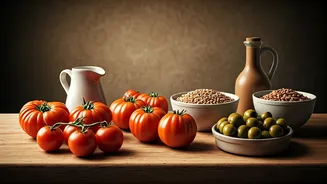
While we often associate the Mediterranean diet with 20th-century studies, its core principles are ancient. The eating patterns of ancient Greece and Rome—heavy on olive oil, figs, fish, whole grains, and wine in moderation—form its historical foundation. Unlike the strict exclusions of Paleo, the Mediterranean approach is more of a holistic lifestyle. It emphasizes fresh, seasonal produce, healthy fats, and the social aspect of sharing meals. Its modern return speaks to a desire not just for healthier ingredients, but for a healthier relationship with food. It evokes images of long, sunny lunches and a slower, more deliberate pace of life, a stark contrast to eating a sad desk salad alone.
The Nordic Diet: A Local Heritage Revival
A lesser-known but growing trend is the “New Nordic Diet,” which looks to the food traditions of Scandinavian countries. Drawing inspiration from Viking-era eating habits, it champions what grows in the cold, northern climate: fatty fish like salmon and herring, root vegetables (turnips, carrots), whole grains like rye and oats, and berries. While it’s a modern culinary movement, its philosophy is ancient: eat local, eat seasonal, and waste nothing. Its comeback is part of a broader cultural push toward sustainability and localism. It suggests that the 'best' ancient diet might not be a universal one, but one that’s rooted in your own environment and heritage.
Mindset Over Meticulous History
Ultimately, the historical accuracy of these diets is less important than the modern needs they fulfill. No one is perfectly replicating a Stone Age menu. Instead, these eating styles are frameworks—a set of guiding principles that give people a sense of control and purpose in their wellness journey. They offer an identity: “I’m a Paleo person,” or “I eat a Mediterranean lifestyle.” This is powerful in a world of endless choice and information overload. These diets aren't just about nutrition; they are about adopting a philosophy that feels grounded, intuitive, and deeply human in an increasingly artificial world.