







More Than Masala and Mango Lassi
For many Americans, Indian cuisine is a comforting collection of classics: creamy butter chicken, robust saag paneer, and pillowy naan. While those dishes remain beloved staples, a quiet revolution is simmering in the kitchens of India’s urban youth.
Gen Z, armed with Instagram aesthetics and a globalized palate, is reimagining traditional recipes. This isn’t about replacing the old, but rather 'upgrading' it with ingredients that reflect a modern, health-conscious, and experimental mindset. At the forefront of this movement are two unlikely stars: the sweet, umami-rich black garlic and the family of wellness-boosting herbs known as adaptogens.
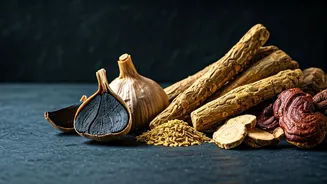
The Dark Magic of Black Garlic
If you haven't encountered black garlic yet, you're in for a treat. It’s not a special variety of garlic, but regular garlic that has been slowly heated at a controlled humidity for weeks. This process, known as the Maillard reaction, transforms the pungent, sharp cloves into something entirely new. The result is a soft, jet-black bulb with a complex flavor profile: think balsamic vinegar, tamarind, and molasses with a savory, garlicky undertone. In modern Indian kitchens, it’s adding a layer of sophisticated funk where you’d least expect it. Chefs and home cooks are melting it into dal tarka for a smoky depth, whipping it into yogurt dips, or even blending it into marinades for kebabs. It provides a rich umami kick that enhances traditional spices without overpowering them, offering a new dimension of flavor that feels both foreign and strangely familiar.
Adaptogens: Ancient Roots, Modern Hype
The term 'adaptogen' might sound like something from a Silicon Valley wellness lab, but its principles are deeply rooted in ancient traditions, including India’s own Ayurveda. Adaptogens are non-toxic plants, herbs, and mushrooms believed to help the body resist stressors of all kinds, whether physical, chemical, or biological. The twist is that while the term is modern, some of the most popular adaptogens are native to India. Ashwagandha and Tulsi (Holy Basil) have been used in Ayurvedic medicine for centuries. Now, Gen Z is re-embracing them, not just as traditional remedies but as daily wellness ingredients. They’re being blended into morning smoothies, infused into lattes, and added to energy bars. The trend also incorporates global adaptogens like maca from Peru and ginseng from Asia, reflecting a generation that sees wellness through a global lens while simultaneously reconnecting with its own heritage.
Why Gen Z Is Driving the Change
This culinary evolution isn’t happening in a vacuum. It’s a direct reflection of the values of India's younger, globally connected population. Raised on the internet, this generation has unprecedented access to international food trends, nutritional science, and wellness culture. They prioritize preventative health and are more likely to see food as functional fuel, not just sustenance. Furthermore, there’s a strong desire for personalization. Rather than accepting recipes as they are, they experiment, fuse, and create dishes that express their individual identity. Social media plays a huge role; a visually striking dish, like a vibrant smoothie bowl topped with seeds and ashwagandha powder or a glistening black garlic-infused dish, is perfectly curated for the Instagram feed. It’s a way of signaling a sophisticated, health-forward lifestyle that is both distinctly Indian and plugged into the global zeitgeist.