



From Obligation to Main Event
For decades, the “veggie plate” on an American menu was a culinary apology. It was the default, uninspired option for the vegetarian in the group, often consisting of whatever side vegetables the kitchen had on hand, steamed or sautéed into submission.
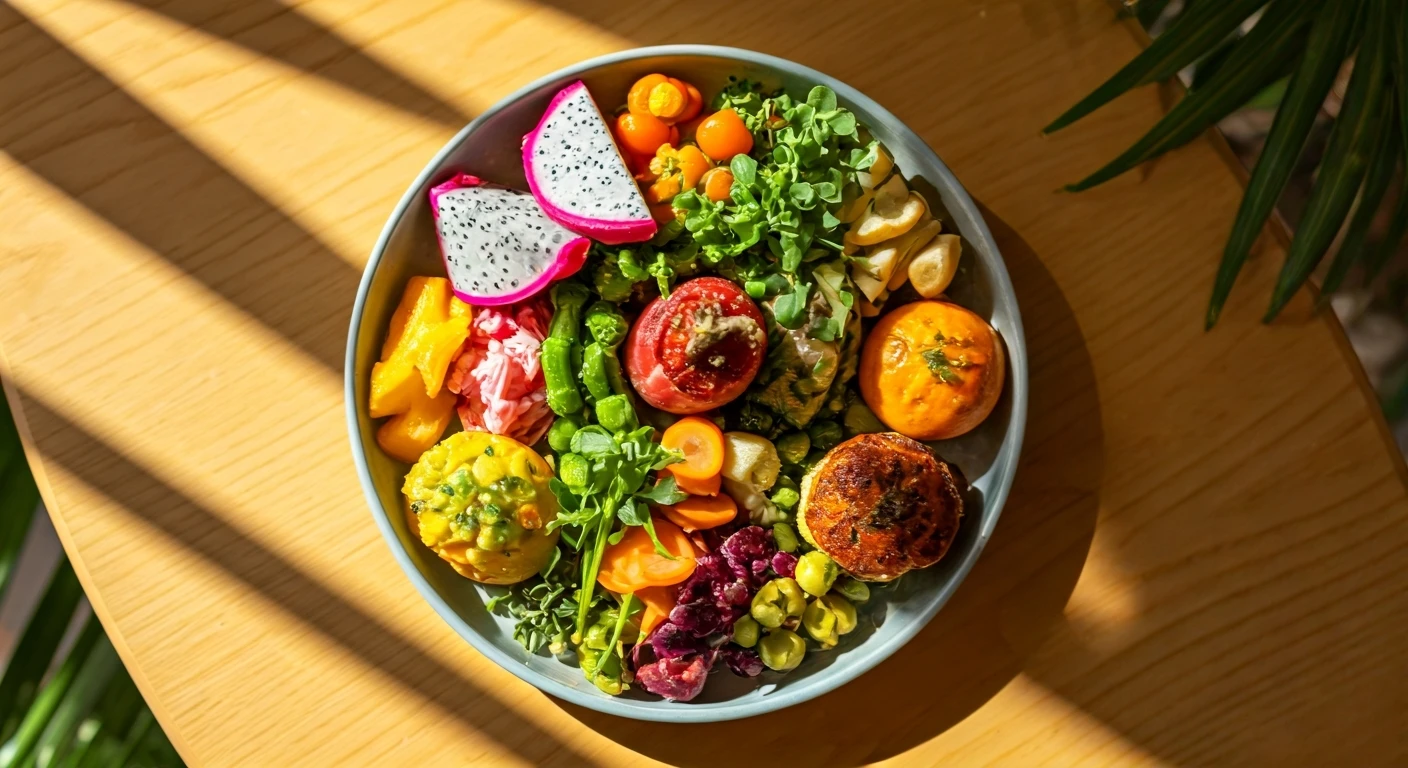
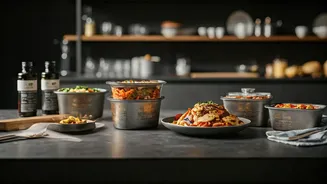
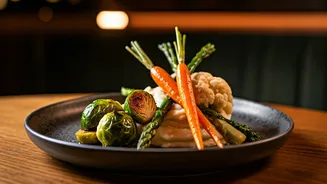
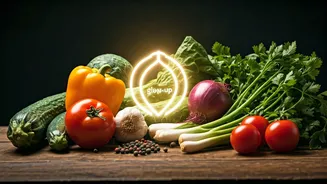
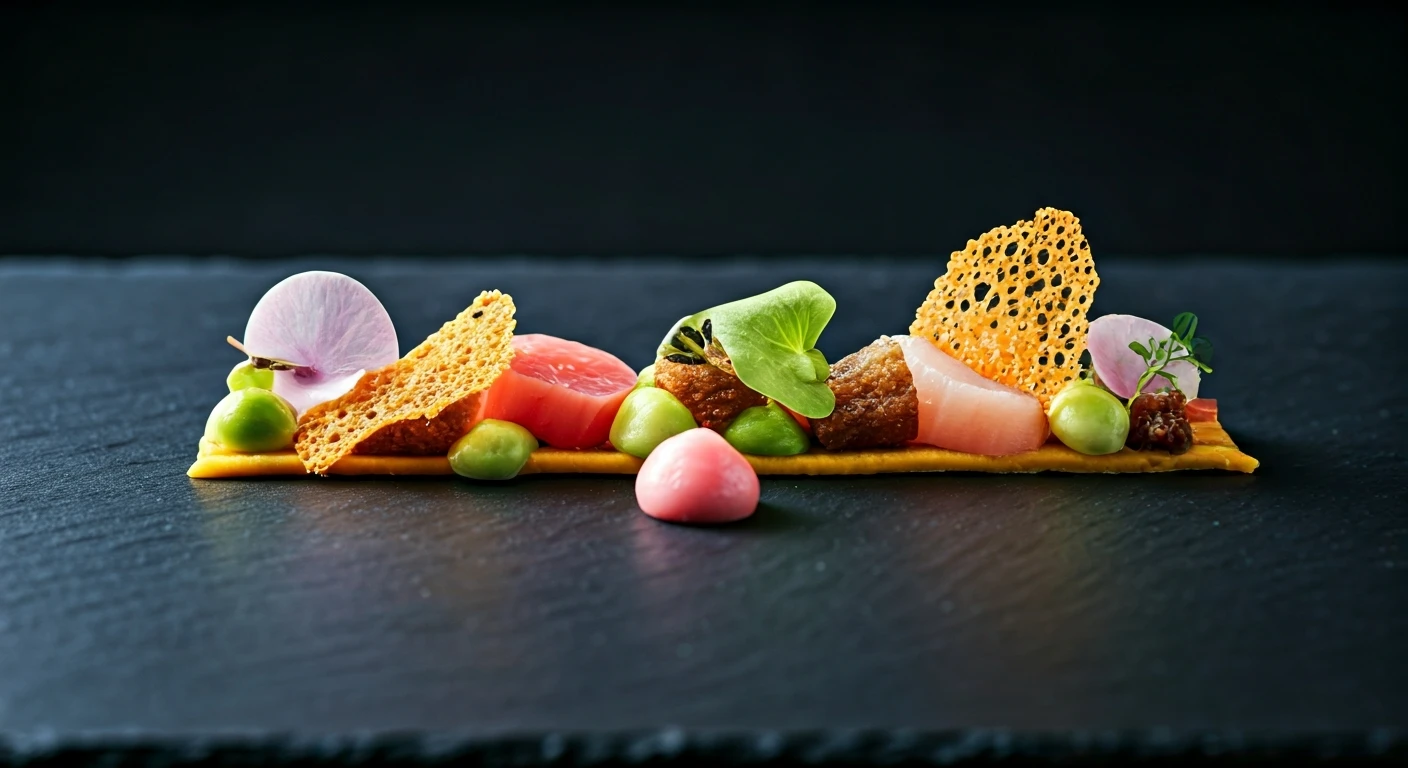
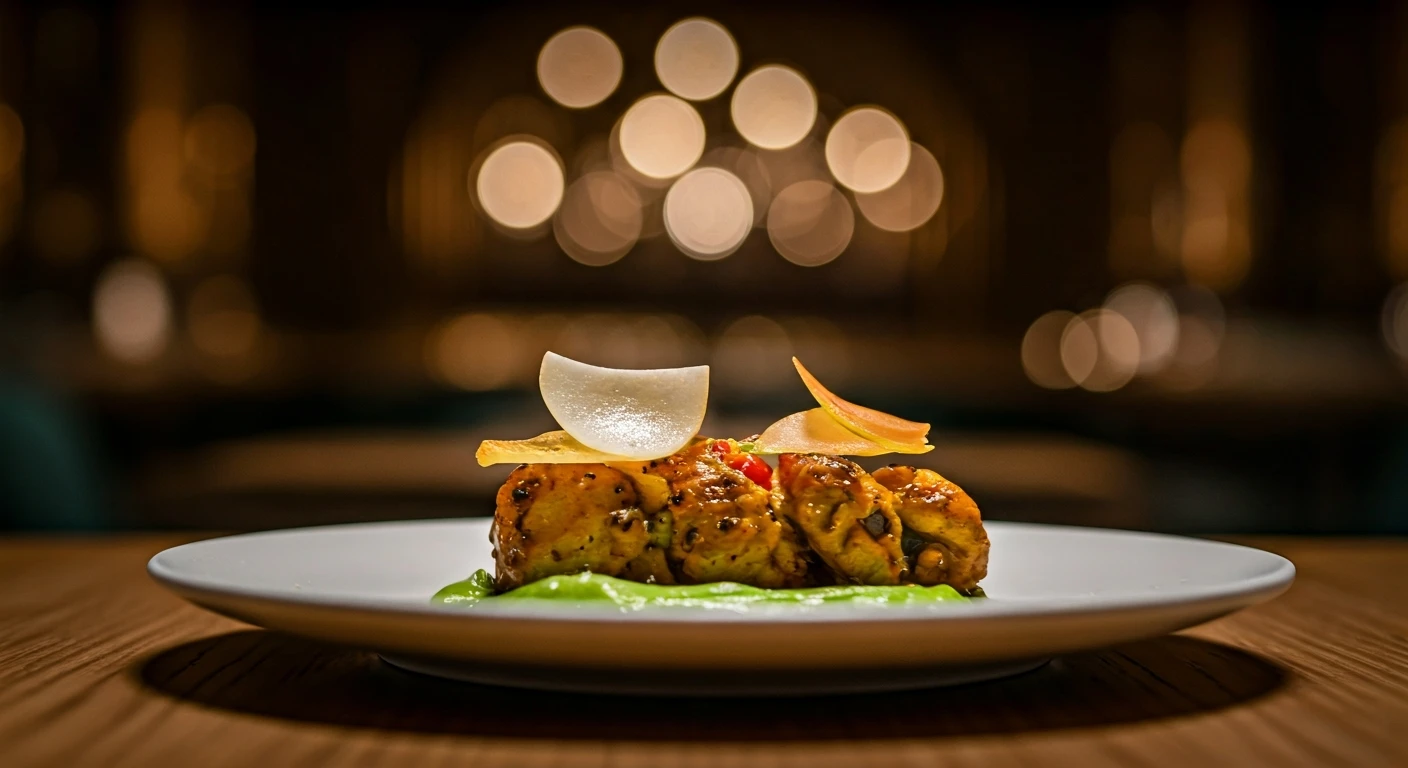
It was food as fuel, not joy; an obligation, not a choice. But a quiet revolution has been taking place in kitchens across the country. Chefs and home cooks are reimagining what a plate of vegetables can be. We’re not talking about simple salads or basic sides anymore. The new veggie plate is a composed, thoughtful, and complex dish. It features a variety of textures—charred, crispy, creamy, and crunchy. It’s built on layers of flavor using global spices, savory sauces, and umami-rich ingredients. Vegetables are being roasted, grilled, fermented, and pureed with the same care and technique once reserved exclusively for a prime cut of steak.
The Rise of the Flexitarian Palate
So, what’s driving this vegetable renaissance? It’s not just a surge in veganism or vegetarianism, though that’s part of the story. The bigger force is the rise of the “flexitarian”—a growing demographic of diners who are actively looking to reduce their meat consumption for health, environmental, or ethical reasons, but aren't ready to give it up entirely. This crowd doesn't want to sacrifice flavor or satisfaction. They still crave “comfort food,” but they’re redefining what that means. Comfort is no longer synonymous with heavy, meat-and-potato-laden dishes that send you straight to the couch for a nap. Today’s diners are looking for comfort that’s also vibrant, energizing, and makes them feel good long after the meal is over. Chefs have responded by creating vegetable-centric dishes that deliver on that promise, proving that plant-based eating can be indulgent and exciting.
Comfort Without the Coma
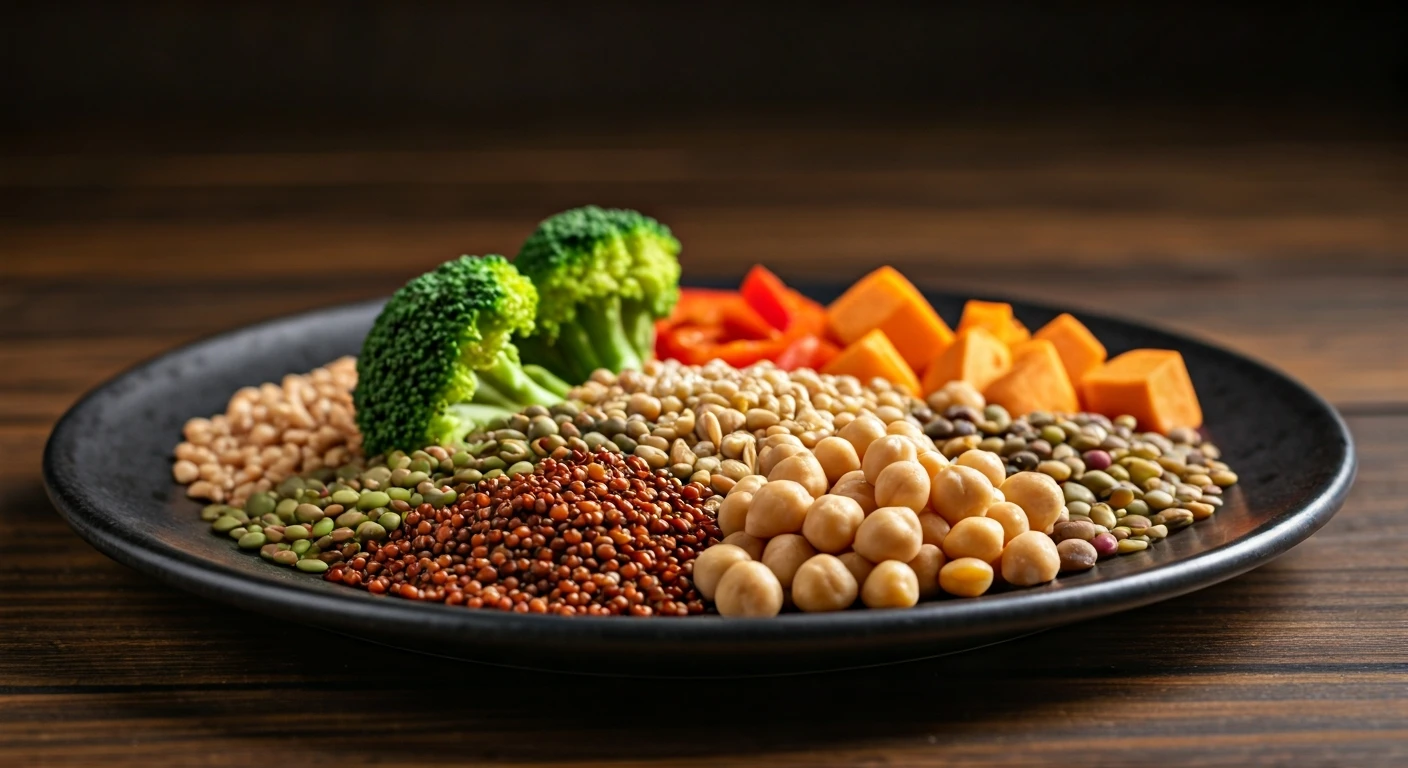
The secret to the new veggie plate’s success lies in its ability to deliver hearty comfort without the heaviness. Chefs are mastering the art of building satisfaction through plants. This means using hearty bases like farro, quinoa, or polenta that provide a satisfying chew. It involves creating rich, luxurious sauces from ingredients like tahini, cashews, or yogurt, which lend creaminess without dairy overload. Charring vegetables like broccoli, cabbage, or Brussels sprouts over high heat brings out their natural sweetness and adds a smoky, deeply savory flavor that rivals grilled meat. A sprinkle of toasted nuts or seeds adds a final, crucial layer of crunch and richness. The result is a dish that engages all the senses and leaves you feeling genuinely full and content, not deprived. It’s the best of both worlds: the soul-soothing quality of a comfort classic with the clean, bright feeling of a healthy meal.
A Trend with Roots
While it may feel like a sudden shift, this trend has been building for years. Visionary chefs at restaurants like Amanda Cohen's Dirt Candy in New York City have long championed the idea that vegetables can be the undisputed star of a meal. What was once a niche, high-end concept has now trickled down to mainstream cafes, fast-casual spots, and home kitchens. Cookbooks dedicated to modern vegetable cookery are bestsellers, and social media is filled with images of beautiful, bountiful veggie bowls and platters. It signals a permanent shift in the American diet, where vegetables are no longer just a supporting actor but a headliner capable of carrying the entire show. The veggie plate isn't just winning over the healthy comfort crowd; it's changing the way we all think about dinner.