

The Golden City Washed Clean
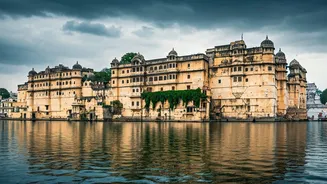
Jaisalmer gets its nickname from the yellow sandstone used to build everything from its colossal living fort to the intricate havelis (traditional mansions) that line its narrow streets. For most of the year, this stone shimmers under a relentless sun,
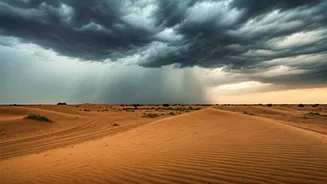
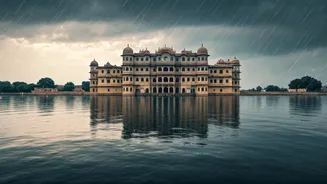
baking in the dry desert heat. But when the monsoon clouds roll in, something magical happens. The brief, dramatic downpours wash away months of dust, leaving the sandstone glowing with a deep, saturated gold. The air, thick with the earthy smell of petrichor, cools dramatically. Suddenly, the city feels less like a sun-scorched relic and more like a freshly painted watercolor. Strolling through the rain-slicked alleyways of Jaisalmer Fort, with water glistening on ancient carvings, is an experience utterly different from the peak-season tourist rush.
A Desert Awakening
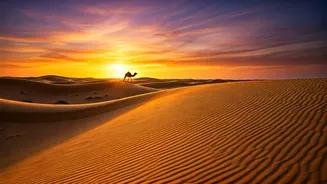
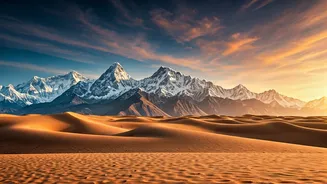
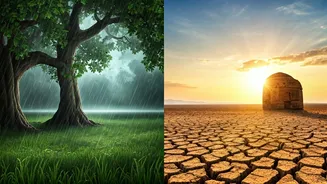
The most startling transformation happens just outside the city walls. The Thar Desert, typically a vista of beige and brown, responds to the rain with a surprising burst of life. A thin, delicate carpet of green grass emerges across the dunes, dotted with wildflowers. The parched scrubland awakens, and the region’s wildlife becomes more visible. Peacocks, India’s national bird, are especially vibrant during the monsoon. They fan their spectacular plumage and dance in the rain, their calls echoing across the newly green landscape. It’s a fleeting, precious beauty—the desert showing a side of itself that few travelers ever get to witness. A camel safari or a jeep tour during this season isn’t about enduring the heat; it's about watching an ecosystem celebrate its brief period of abundance.
Fewer Crowds, Cooler Temperatures
From a practical standpoint, visiting Jaisalmer during the monsoon is a savvy traveler’s move. The blistering heat of summer, which can see temperatures soar well above 110°F (43°C), gives way to more pleasant highs in the 80s and 90s. The humidity is present, but the cloud cover and rain provide consistent relief. More importantly, this is the off-season. The winter months (October to March) are when Jaisalmer is packed with tourists. During the monsoon, you’ll find the city’s majestic fort, ornate temples, and bustling markets wonderfully uncrowded. You can explore at a leisurely pace, find better deals on hotels and heritage stays, and experience a more authentic, peaceful version of the city. It feels less like a tourist destination and more like your own private discovery.
The Romance of the Rain
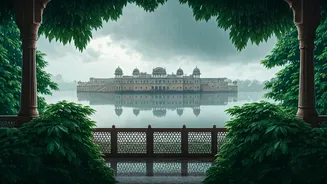
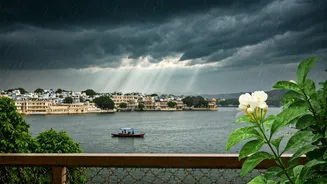
There's an undeniable romance to the monsoon, and Jaisalmer provides the perfect backdrop. Imagine sitting on a cushioned window seat in a restored haveli, sipping a hot cup of masala chai as rain streaks down the glass, overlooking the ancient city below. Or dining on a rooftop restaurant as a cool breeze blows in, watching lightning flash dramatically over the desert horizon. The Gadisar Lake, a man-made reservoir just outside the city, fills with water, and locals flock to its banks to enjoy the cooler weather. The entire mood of the city shifts from one of endurance to one of quiet joy and contemplation. It’s a time for cozying up, slowing down, and appreciating the profound beauty of a desert renewed.