

What Are 'Monsoon' Diets Anyway?
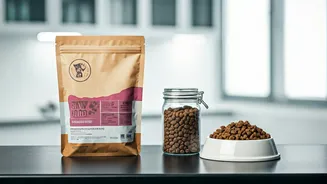
While “Monsoon” might not be on every shelf, it represents a booming category of pet food: fresh, raw, or gently cooked meals delivered directly to your door. Think of brands like The Farmer's Dog, Nom Nom, or We Feed Raw. These companies tap into a powerful
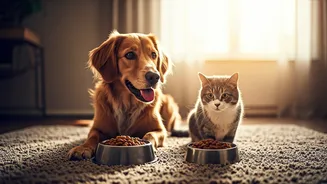
emotion for modern pet owners, who increasingly view their dogs and cats as family members deserving of the best. The marketing is brilliant, showcasing vibrant ingredients like kale, sweet potatoes, and high-quality meats arranged artfully in a bowl. The implicit promise is that you’re moving beyond processed brown kibble and offering your pet a diet that’s closer to nature, free from fillers and preservatives. For many loving owners, the appeal is undeniable—it feels like a tangible way to provide premium care.
The Primary Veterinary Concern: Pathogens
When you bring up these diets, the first thing on your veterinarian’s mind is often a single word: safety. Specifically, the risk of bacterial contamination. Raw meat, even when handled carefully, can contain dangerous pathogens like Salmonella, E. coli, and Listeria. Major veterinary organizations, including the American Veterinary Medical Association (AVMA), have issued official statements discouraging the feeding of raw meat-based diets because of this risk. The concern isn't just for the pet, who can suffer from severe gastrointestinal illness. It’s also for the humans in the house. A dog or cat can shed these bacteria in their feces and saliva, potentially contaminating your kitchen surfaces, their food bowls, and even your face when they give you kisses. For households with young children, elderly individuals, or immunocompromised people, this risk is a significant red flag for the veterinary community.
The Nutritional Balancing Act
Beyond bacteriology, vets are trained to focus on nutritional science. A dog is not a wolf, and a cat is not a tiny lion; their dietary needs have evolved alongside humans. Creating a pet food that is “complete and balanced” is a complex scientific endeavor. This official AAFCO (Association of American Feed Control Officials) designation means a food provides all the necessary vitamins, minerals, and nutrients in the correct ratios to sustain life and promote health. The fear with many boutique or homemade raw diets is that they may be nutritionally incomplete. Over time, an improperly balanced diet can lead to serious health issues, including bone deformities in growing puppies, heart conditions linked to taurine deficiency, or skin problems. While many subscription brands invest heavily in formulation by veterinary nutritionists, the overall category’s lack of consistent regulation makes many vets cautious.
From Dismissal to Dialogue
This is where the “conversation” part of the headline becomes critical. For years, the standard veterinary response to a client asking about raw food was often a firm “don’t do it.” But vets are realizing that this approach can alienate clients who are deeply invested in the idea. Instead of dismissing owners, a growing number of veterinarians are shifting to a harm-reduction model. They are initiating a dialogue. This conversation might involve asking: What brand are you using? How is it prepared and handled? Is it certified as complete and balanced by a veterinary nutritionist? They might suggest safer alternatives, like commercially prepared, gently cooked fresh foods over raw options. By engaging rather than shutting down the discussion, vets aim to remain a trusted partner in the pet's health, guiding owners toward the safest possible choices within this new nutritional landscape.
How to Talk to Your Vet
If you’re interested in exploring these diets, the best approach is to treat your veterinarian as a collaborator, not an obstacle. Come to your appointment prepared. Be honest about what you’re feeding or considering feeding your pet. Instead of asking “Is this food good?”, try asking “What are your concerns about this specific diet, and how can we address them for my pet?” Be open to hearing their perspective on the risks, and be willing to discuss alternatives. The goal isn't to win an argument; it's to work together to create a nutritional plan that aligns with your values while prioritizing the proven health and safety of the animal you love.