
An Appetite for Change
For decades, eating out in India largely fell into two categories: humble, region-specific eateries serving timeless recipes, or formal, five-star hotel restaurants catering to tourists and the old-money elite. The space in between was a quiet one. But
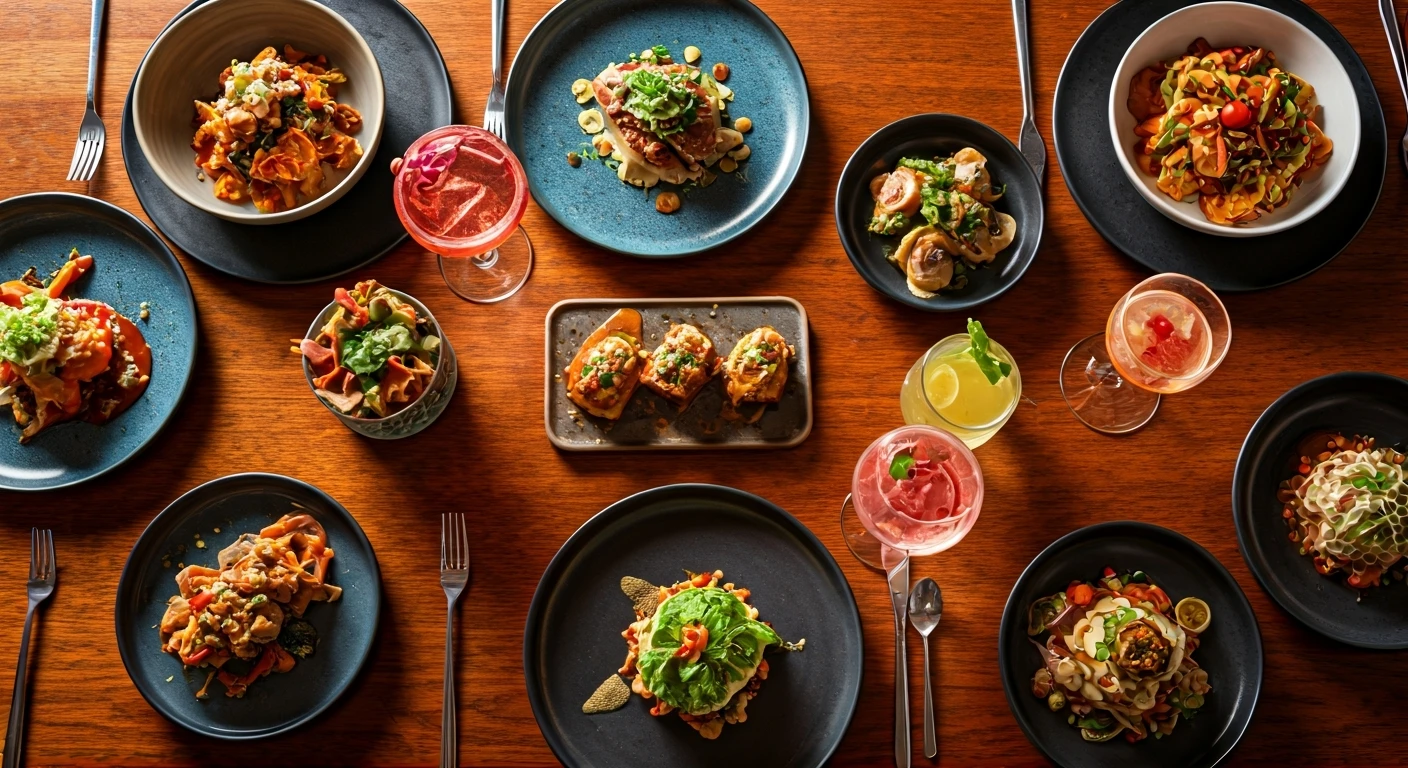
in the last decade, that space has exploded with energy. The catalyst is a new Indian consumer: young, urban, well-traveled (even if only through Instagram), and with disposable income. This generation isn't just looking for sustenance; they're seeking experiences. Food has become a central part of their social identity, and a new wave of chefs, restaurateurs, and entrepreneurs has risen to meet their demand for novelty, quality, and creativity.
Delhi: The Home of Modern Indian
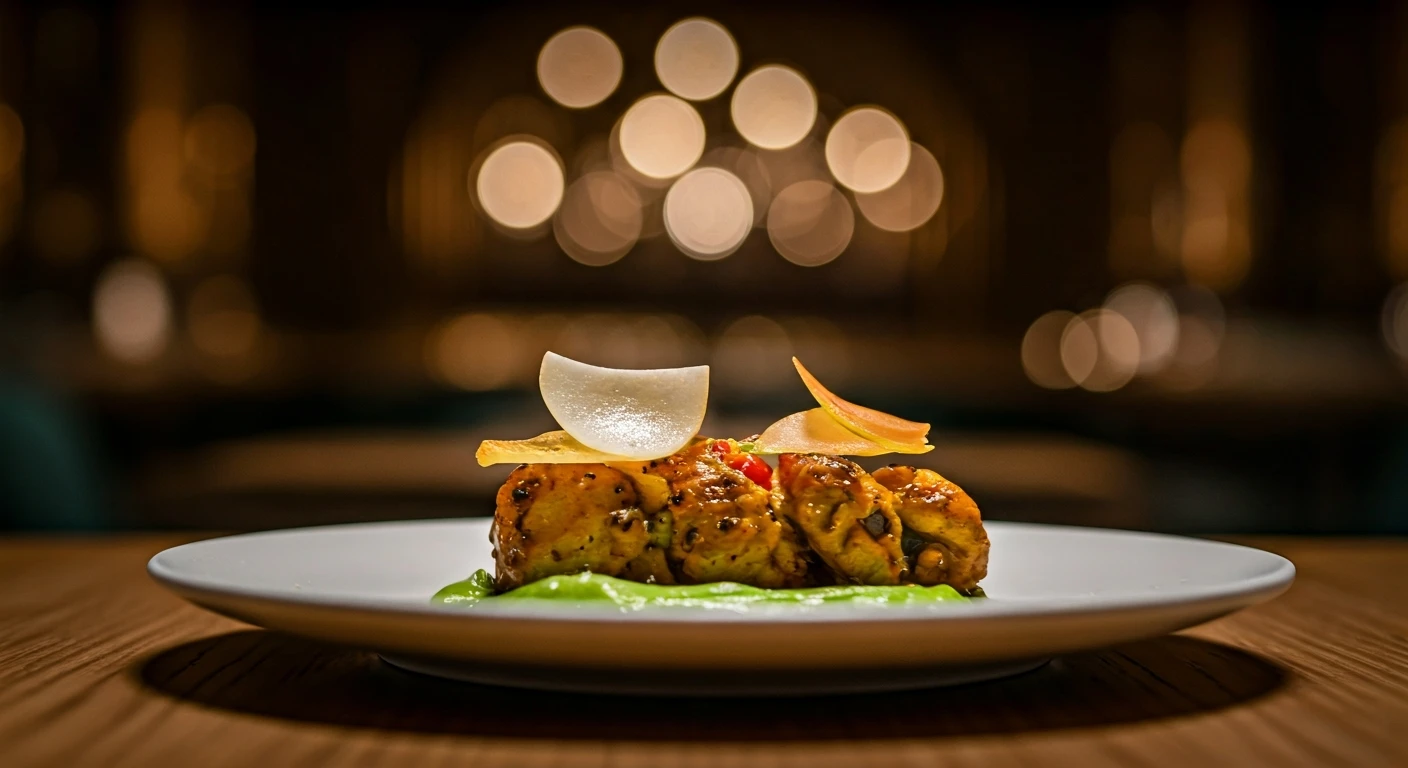
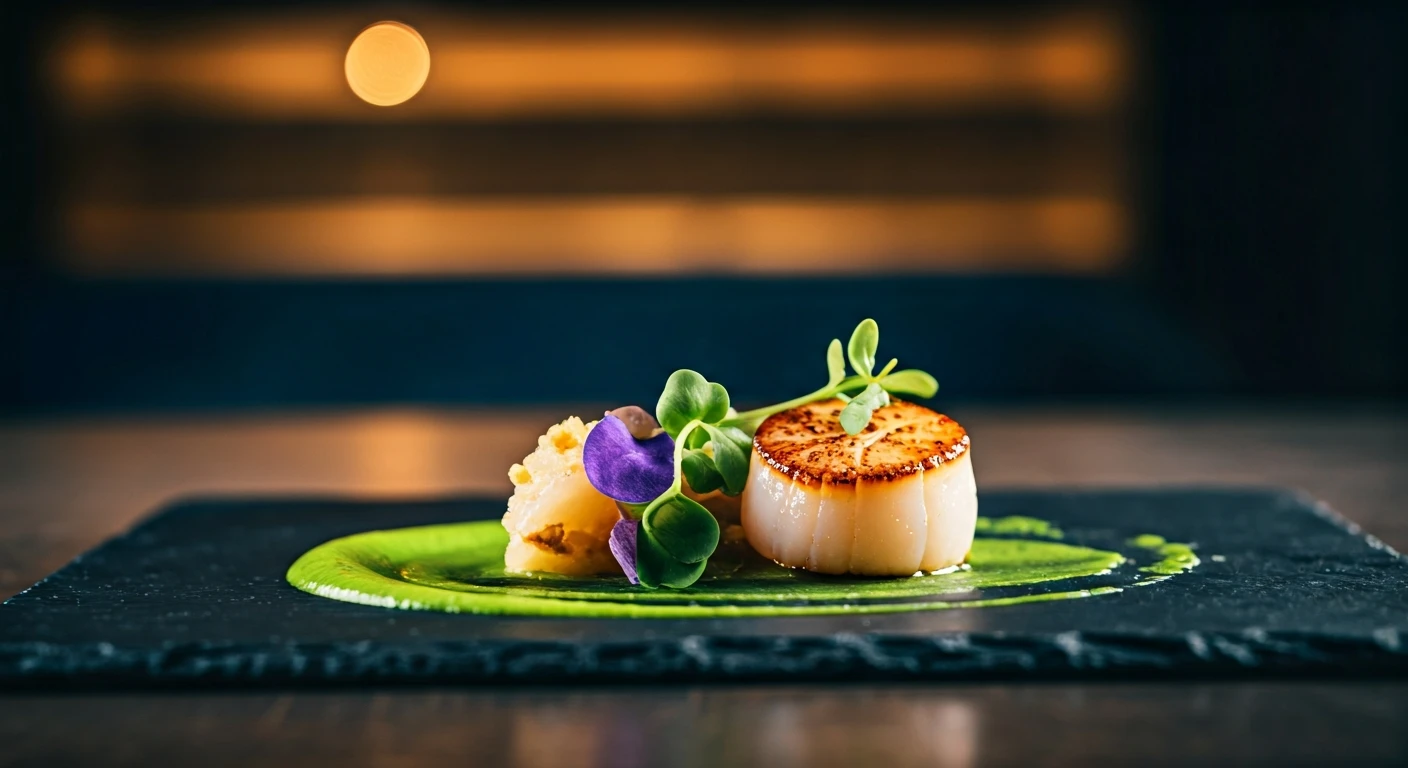
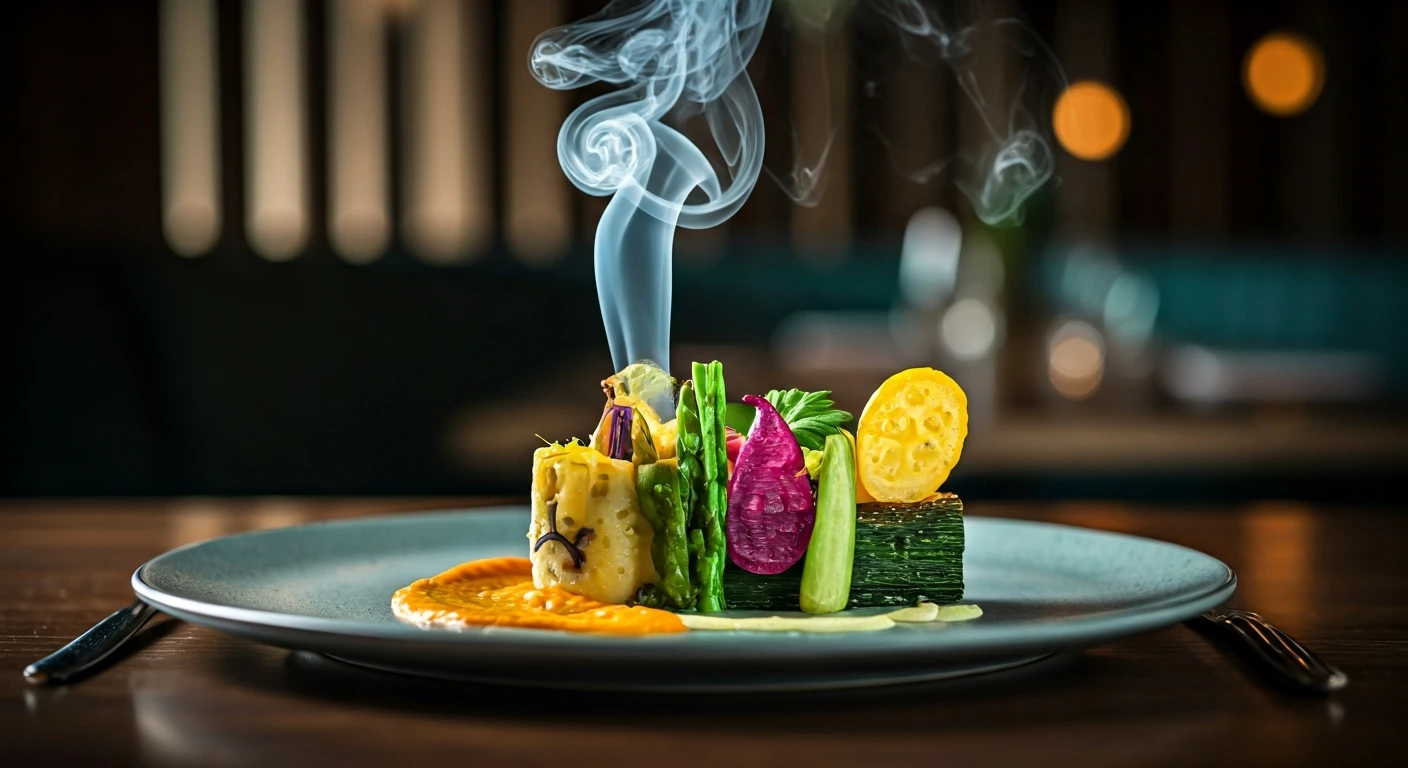
As the nation’s capital, Delhi has become the epicenter of culinary ambition. This is where Indian food is being deconstructed and reimagined for a global palate. Chefs are taking familiar, beloved dishes—like chaat (a savory street snack) or butter chicken—and applying avant-garde techniques learned in kitchens from Copenhagen to New York. Think dal infused with the smokiness of hickory wood, or a classic kebab presented with the delicate precision of a French appetizer. These aren't just fusion gimmicks; they're acts of cultural confidence. Restaurants like the world-renowned Indian Accent are proving that Indian cuisine doesn't need to be confined to a curry house cliché; it can be artistic, refined, and worthy of a place at the world's fine-dining table. Delhi is where Indian food got its swagger back on a global stage.
Mumbai: The Cosmopolitan Trendsetter
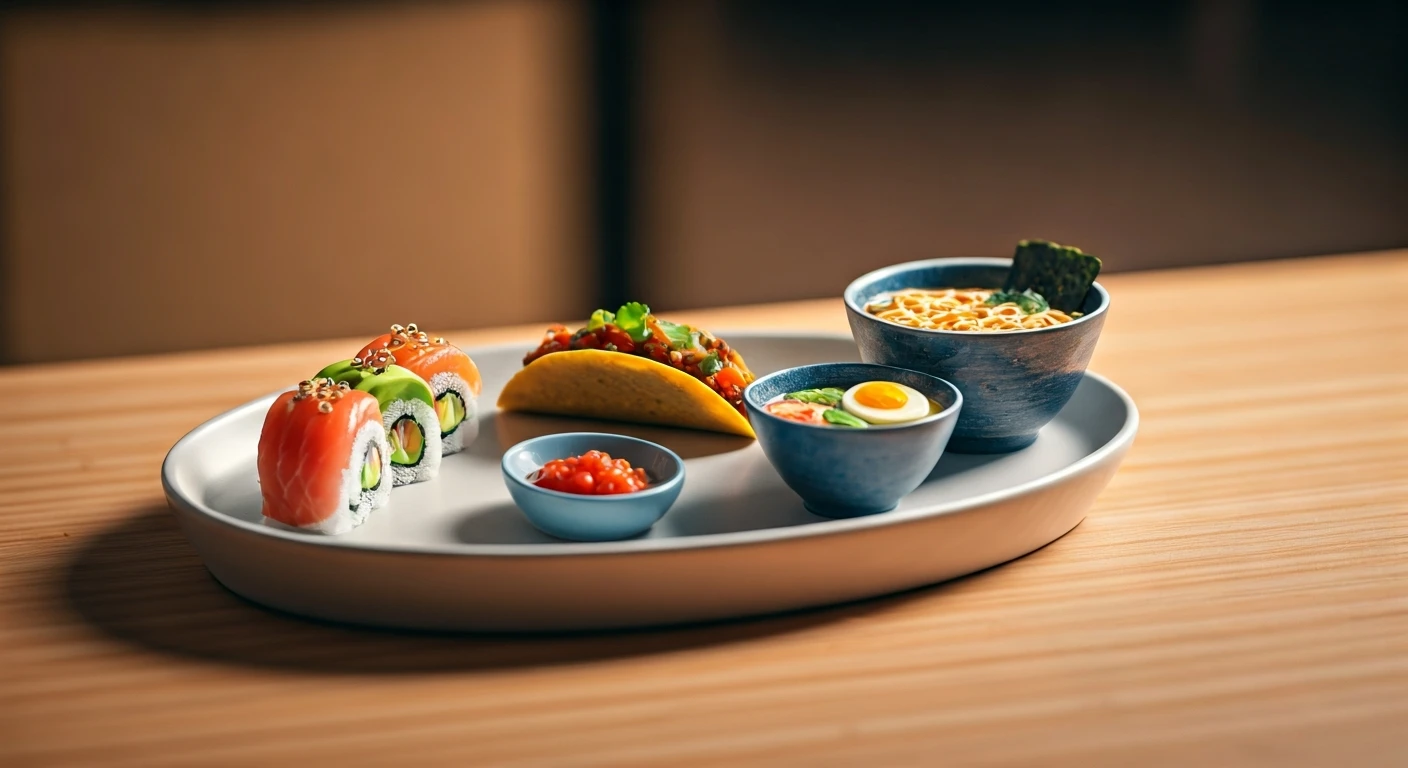
If Delhi is about refining the national cuisine, Mumbai is about embracing the world. As India’s financial and entertainment hub, the city has always been a melting pot, and its food scene reflects that. The latest evolution is the all-day café and the hyper-specific global restaurant. Mumbai’s trendy neighborhoods, like Bandra and Colaba, are now dotted with chic, airy cafes that could be airlifted from Melbourne or Los Angeles, serving avocado toast and cold brew alongside masala chai. At the same time, the city is seeing a boom in authentic, high-quality international dining that goes far beyond the old staples of Chinese or Italian food. We’re talking dedicated ramen bars, authentic Peruvian ceviche spots, and Korean BBQ joints that have become the new status symbol for a night out. In Mumbai, food is fashion, driven by Bollywood stars and a fast-paced culture that is always hungry for the next big thing.
Bengaluru: The Tech-Fueled Incubator
Known as India's Silicon Valley, Bengaluru’s food scene is defined by the same spirit of innovation and disruption that powers its tech industry. This is most evident in its title as the craft beer capital of India. A decade ago, good beer was a rarity. Today, the city boasts over 60 microbreweries, where programmers and entrepreneurs gather to sip everything from classic German wheat beers to experimental IPAs infused with local mango or pepper. But the tech influence runs deeper. Bengaluru is ground zero for the food-tech revolution, with homegrown delivery giants like Zomato and Swiggy transforming not just how people order food, but what is possible to order. These platforms have enabled the rise of “cloud kitchens”—delivery-only restaurants without a physical storefront—allowing small, creative culinary concepts to flourish without the massive overhead of a traditional restaurant. In Bengaluru, technology isn't just an industry; it's an ingredient.