


The Rise of the Conscious Bite
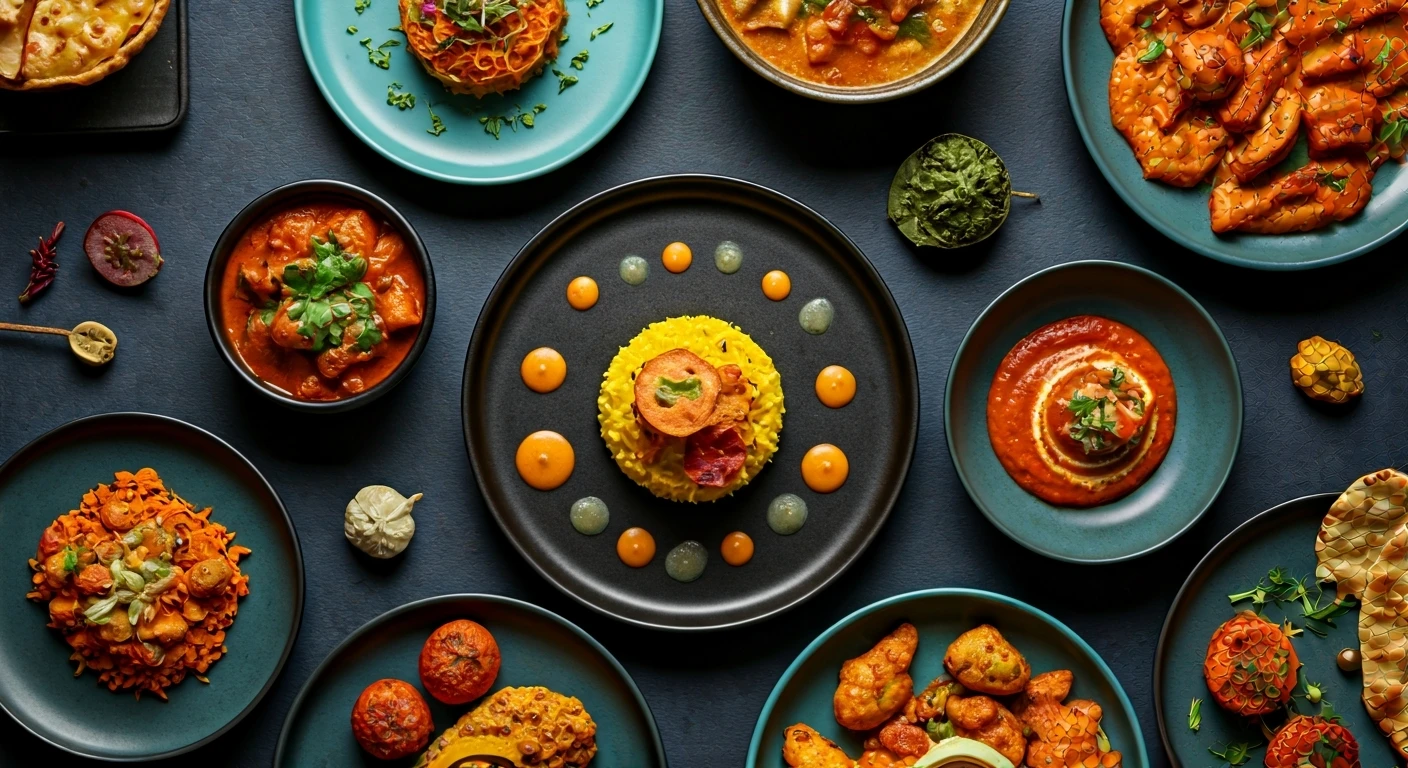
The conversation around Indian food is shifting. While taste remains king, a new court of priorities has assembled around its throne: health, sustainability, authenticity, and ethics. This isn't about replacing beloved classics like butter chicken or chana
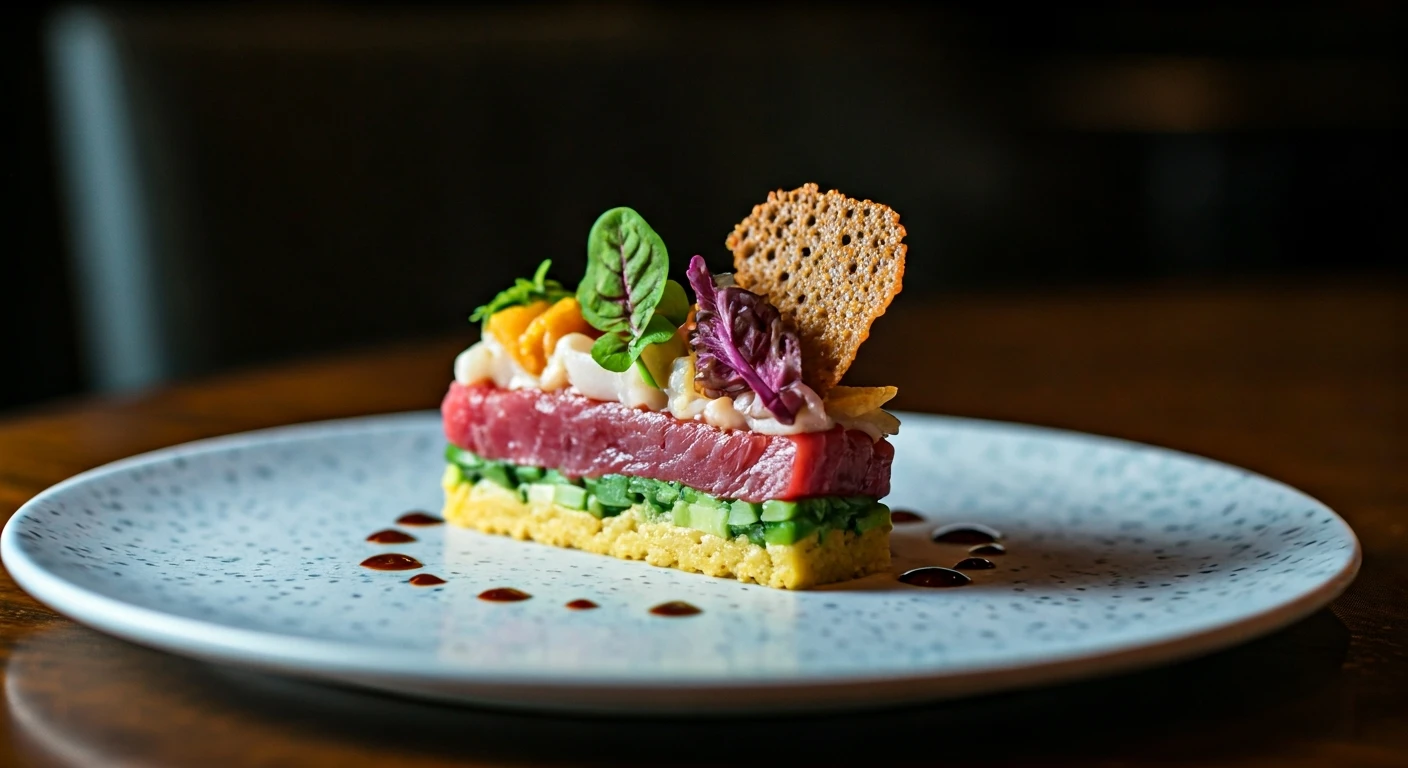
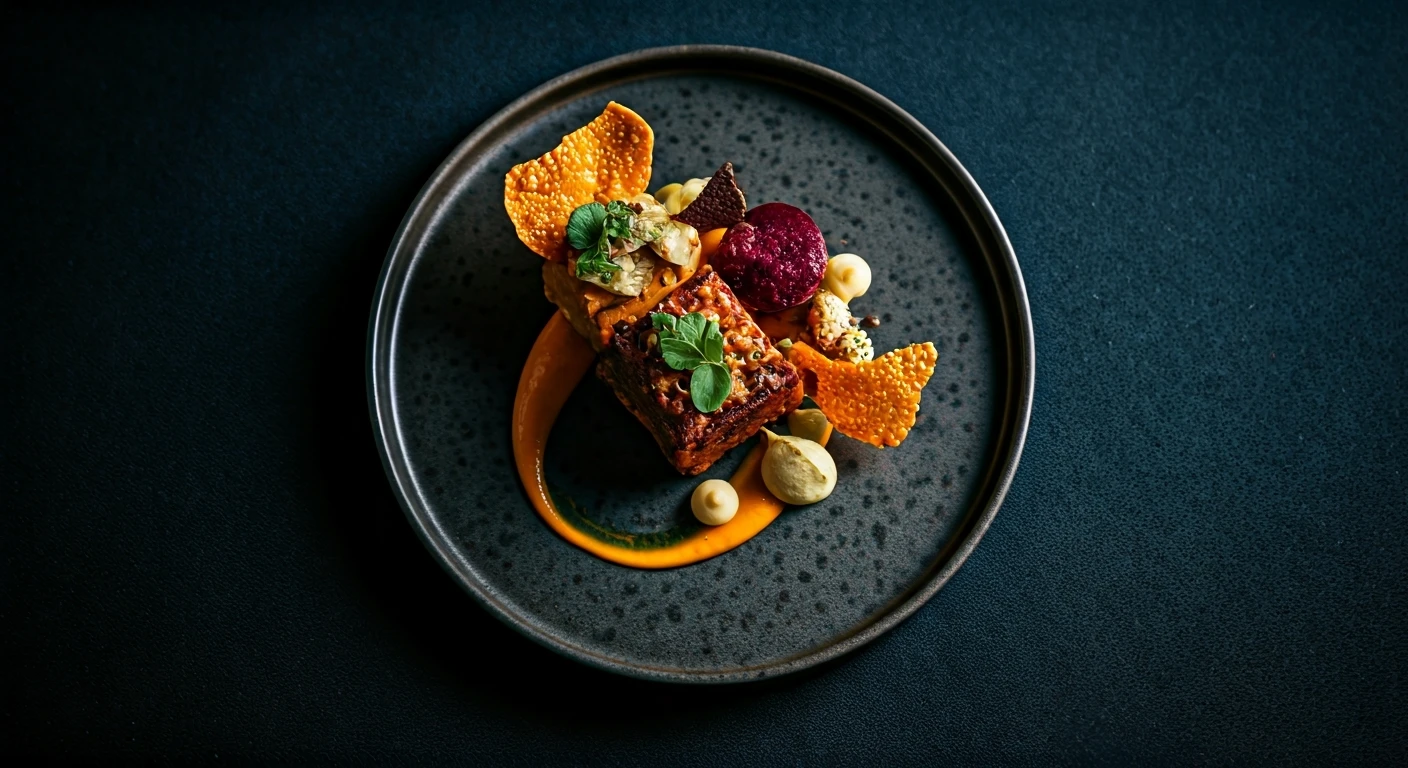
masala. Instead, it’s about expanding the definition of what constitutes a 'good' meal. Today's Indian foodie, both in the subcontinent and across the diaspora, is increasingly likely to ask: Is this healthy? Where did these ingredients come from? What story does this dish tell? This movement is transforming menus in Mumbai, home kitchens in New Jersey, and Michelin-starred restaurants in London. It’s a culinary evolution that mirrors global trends like the farm-to-table and wellness movements but interprets them through a uniquely South Asian lens.
Wellness Meets Ancient Wisdom
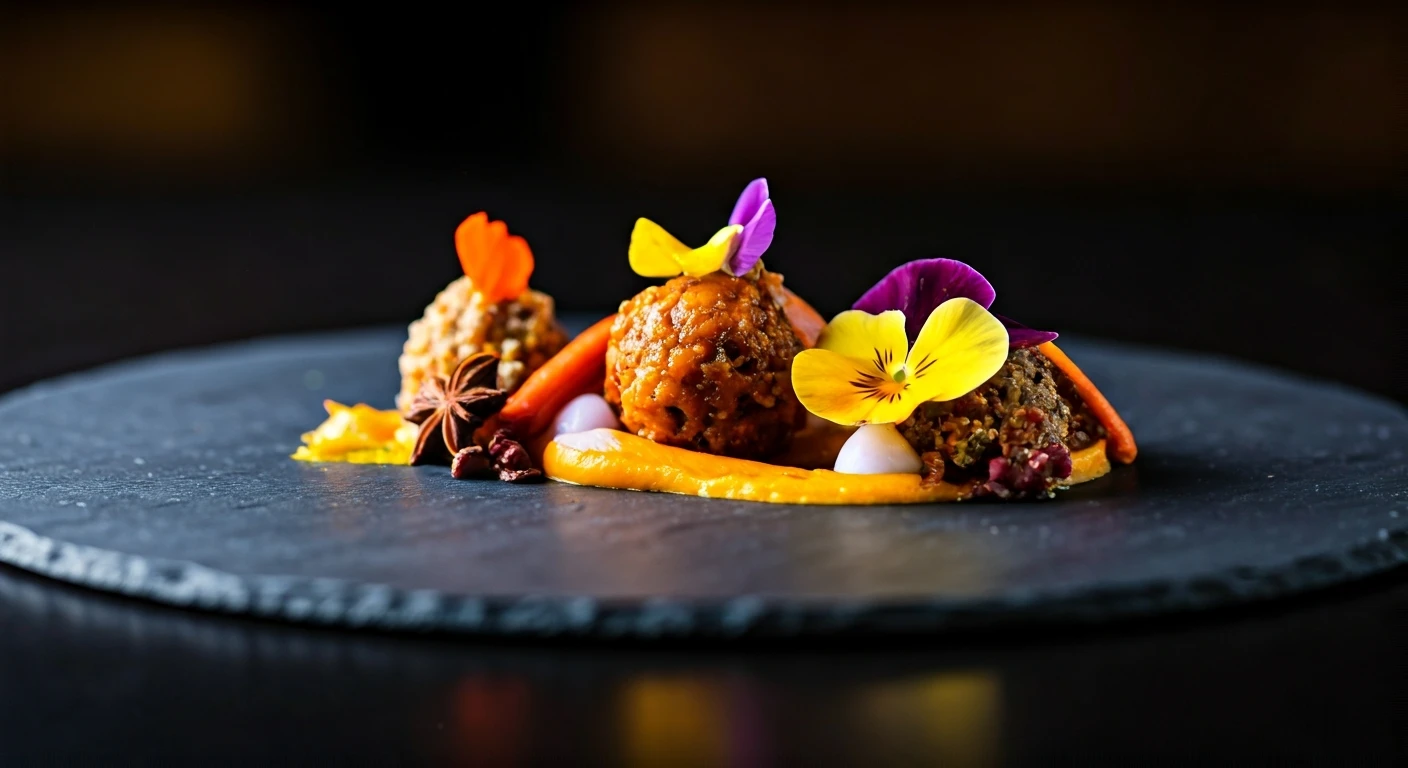
One of the most significant shifts is the focus on health. Many Americans associate Indian cuisine with heavy oils and rich dairy, a perception often based on restaurant fare designed for indulgence. But a new vanguard of chefs is lightening things up, championing traditional cooking methods that were always inherently healthier. They're swapping out ghee for cold-pressed oils, reducing cream in favor of nut-based purees, and championing ancient grains. Millets, for example, have made a dramatic comeback. Once dismissed as 'poor man's food,' these nutrient-dense, gluten-free grains like jowar (sorghum) and ragi (finger millet) are now starring in everything from modern dosas to quinoa-style salads. This isn't a fad; it's a reconnection with Ayurvedic principles that have always taught that food is medicine, and that a balanced, seasonal diet is the key to well-being.
From Farm to Thali
The 'know your farmer' ethos has officially arrived in the Indian food scene. Sustainability is no longer a niche concern. Chefs and discerning home cooks are celebrating seasonality and prioritizing local sourcing, which in a country as vast as India, offers a dizzying variety of produce. This focus challenges the year-round availability of every vegetable that modern supply chains have created. Instead, it champions the unique flavors of a specific region at a specific time. In urban centers like Delhi and Bangalore, farmers' markets are bustling, and restaurants proudly list the names of the farms they work with. This 'farm-to-thali' approach (a thali being a platter of various dishes) not only results in fresher, more flavorful food but also fosters a deeper connection between the diner and the agricultural ecosystem that sustains them.
Discovering a World Beyond Tikka Masala
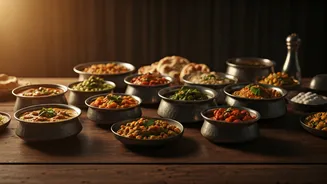
Perhaps the most exciting development is the deep dive into regionality. For years, the Indian food known globally was overwhelmingly North Indian, specifically Punjabi. But India is a country of countless cuisines. Today's foodies are hungry for authenticity and story, leading to an explosion of interest in hyper-regional dishes that were once confined to home kitchens. Food from the coastal states of Kerala and Goa, with their emphasis on coconut and seafood, is gaining prominence. So is the distinct, fermented food of Nagaland in the Northeast, the subtle vegetarian fare of Gujarat, and the rustic dishes of Odisha. Chefs are acting as culinary archivists, traveling to remote villages to learn forgotten recipes and bring them to a wider audience. This isn't just about finding new flavors; it’s about preserving cultural heritage and telling a more complete story of India, one plate at a time.