
The $20 'Pop-Tart'
Imagine a dessert menu at a Michelin-starred restaurant. Tucked between the flourless chocolate torte and the lavender panna cotta, you find something that sounds suspiciously like a Pop-Tart. But this isn't the foil-wrapped snack from your lunchbox.
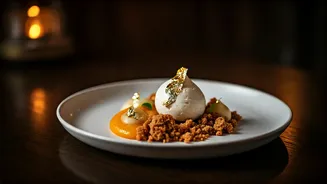
This version features a flaky, buttery pastry made with European butter, a filling of house-made jam from locally sourced berries, and an icing that’s a carefully calibrated glaze, perhaps dusted with freeze-dried fruit. This is the central magic of the nostalgic dessert trend: taking a universally understood, often mass-produced comfort food and rebuilding it from the ground up with impeccable technique and premium ingredients. It’s a playful wink that’s also a serious display of culinary skill, transforming the familiar into something entirely new yet deeply comforting.
Why We Crave Elevated Comfort
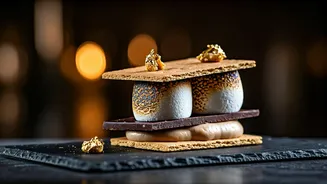
So, why are diners willing to pay a premium for a high-end version of a Hostess cupcake or a cosmic brownie? The answer lies in psychology as much as it does in pastry. Nostalgia is a powerful emotion. The taste of a specific snack can transport us back to simpler times—after-school afternoons, birthday parties, or summer campfires. In the often formal and sometimes intimidating atmosphere of fine dining, a nostalgic dessert acts as an emotional anchor. It’s disarming and delightful, breaking down the barrier between the diner and the chef. It creates a shared cultural touchstone. You and the highly trained pastry chef both know what a s’more is supposed to taste like. This shared context allows the chef's artistry—the deconstructed graham cracker, the torched-to-order marshmallow ice cream, the single-origin chocolate—to shine even brighter.
The Pastry Chef as Playful Artist
For pastry chefs, this trend is a creative goldmine. It offers a unique challenge: how do you honor the soul of a simple treat while elevating it into a work of art? It's a tightrope walk between sincerity and irony. Many chefs who grew up in the '80s and '90s have a genuine affection for these snacks. Recreating them is both an homage and an opportunity to flex their technical prowess. Deconstructing a familiar flavor profile and reassembling it in a surprising way—think “milk and cookies” presented as a cookie crumble with a delicate milk foam or sorbet—showcases a deep understanding of flavor, texture, and chemistry. Furthermore, these desserts are incredibly photogenic. The visual gag of a fancy Twinkie or a perfectly spherical, gourmet Dunkaroo is practically designed for Instagram, creating free marketing for the restaurant and turning diners into brand ambassadors.
From Gimmick to Staple
While the trend might have started as a novelty, it has proven its staying power. It's no longer just a gimmick found at a handful of avant-garde restaurants in New York or Los Angeles. High-end bakeries now sell artisanal versions of Oatmeal Creme Pies, and upscale bistros across the country feature some form of elevated childhood classic on their menus. What makes it endure is its universal appeal. Unlike esoteric desserts that require a sophisticated palate to appreciate, everyone “gets” a fancy Rice Krispie treat. It’s an inclusive form of luxury that invites everyone in on the joke. It reassures diners that while the food is serious, the experience doesn't have to be stuffy. It's a reminder that at the end of a multi-course meal, what we often want most is not another challenge, but a simple, profound comfort.